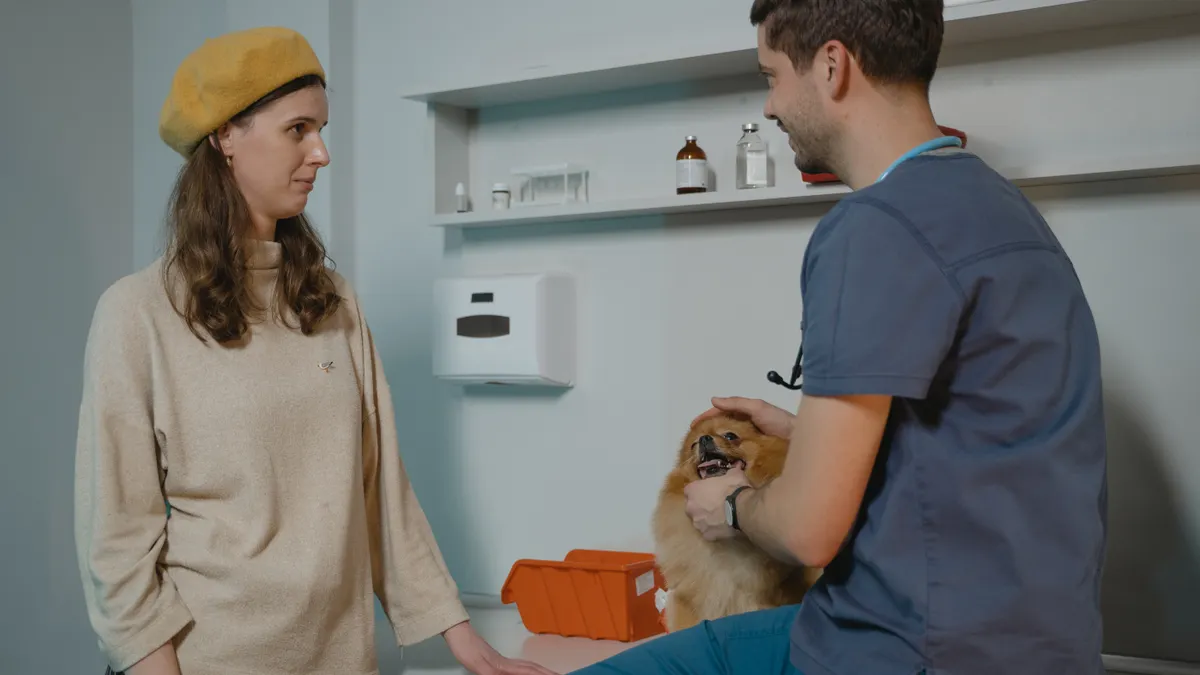
Last updated: November 20, 2026
Quick answer: a vet visit summary is a short record from an appointment, and pet insurance may accept it for some claims, but many insurers still ask for full records when the summary is too thin. For a 1-page summary, the safest approach is to check the policy and, if needed, request the full chart from the clinic. A vet visit summary and does pet insurance accept it? is the question this article answers in plain terms. See the AVMA on medical records and the NAIC on filing insurance claims for general guidance: https://www.avma.org/resources-tools/pet-owners/petcare/medical-records and https://content.naic.org/consumer/pet-insurance.
Key takeaways
- A visit summary is a short handoff note, not the full medical file.
- It often includes the visit reason, exam notes, treatment summary, and follow-up plan, although a professional should confirm what is in a specific record.
- Pet insurers may accept it when it clearly shows the condition, date, and care given.
- If the summary is light on details, a claims team may ask for exam notes or discharge instructions too.
- The weaker the record, the more likely the claim needs extra paperwork.
What is a vet visit summary?
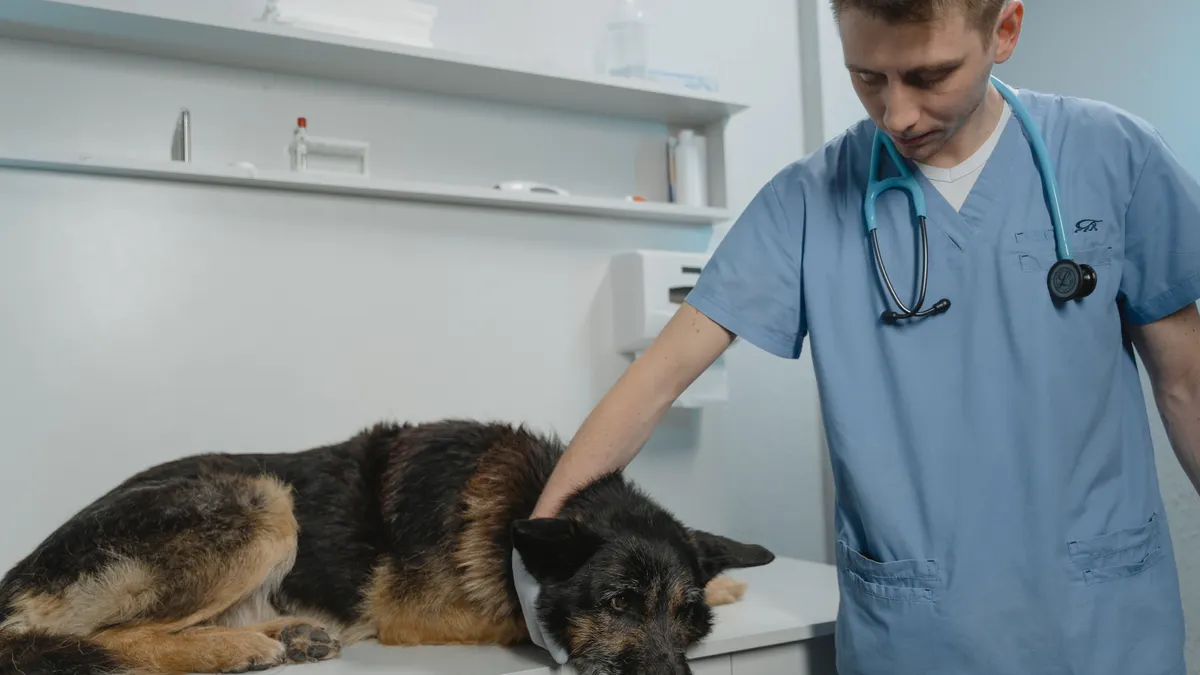
A vet visit summary is a one-page or short multi-page summary of a pet’s appointment. It usually captures the reason for the visit, what the vet saw on exam, what treatment was given, and any follow-up care; if you are unsure what your clinic’s version includes, ask a veterinarian or the clinic team.
Think of it as a snapshot, not the full chart. It may also be called a visit summary, treatment summary, or discharge summary, depending on the clinic; ask a professional if you need the exact version for a claim. The exact name matters less than what is inside: date of service, pet name, findings, and next steps. The AVMA notes that medical records should be complete and legible, which is why the details matter: https://www.avma.org/resources-tools/pet-owners/petcare/medical-records.
A generic summary is not the same thing as full clinical notes. Full notes often contain more detail, such as history, body condition, test results, medication changes, and the vet’s full reasoning. That extra detail can matter if an insurer needs proof that a problem was new, pre-existing, or actively treated at that visit, though a claims professional should interpret the policy and the record together.
For a pet owner, the summary is often the easiest paper to spot because it is handed over at checkout or sent by email right after the appointment. It may be only 1 page, while the full record can run several pages. That gap is where claim problems usually start.
Does pet insurance accept it?
Pet insurance may accept a vet visit summary if the summary contains enough proof for the claim. The key word is “may,” because acceptance depends on the insurer, the claim type, and how complete the summary is. The NAIC says insurers can ask for documentation to support a claim: https://content.naic.org/consumer/pet-insurance.
A summary is more likely to work when it clearly shows the pet was examined, what the vet found, and what treatment or follow-up was ordered, but a claims professional should review the file if the policy language is unclear. If the claim is simple and the summary lines up with the invoice, that may be enough. If the claim involves a diagnosis, ongoing symptoms, or a condition that could be pre-existing, the insurer may ask for exam notes or full medical records.
Insurers usually want records that answer a few basic questions: What was wrong? When did it start? What did the vet observe? What was done? If the summary answers those questions cleanly, it has a better chance of being accepted. If it only says “recheck,” “GI upset,” or “monitor,” that can leave too much open, so consult the insurer or a veterinary professional if you need clarification.
A summary is not a promise of approval. It is just one piece of evidence. If the policy language asks for “medical records,” a short summary may be only part of the file, not the whole answer.
What does a good summary usually include?
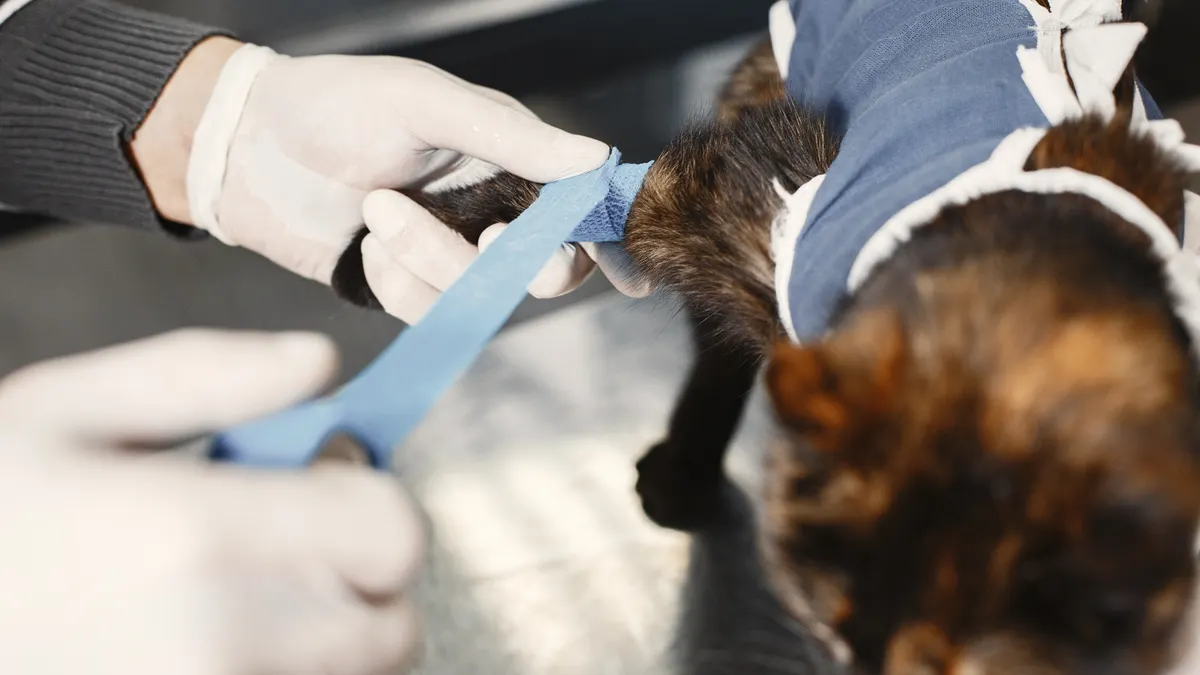
A useful vet visit summary usually includes at least 5 parts: the date, the pet’s name, the reason for the visit, the exam or treatment summary, and the follow-up plan. When those pieces are present, the document is easier for a claims team to read and match to the invoice.
Here is a simple comparison of common paperwork:
| Document type | What it usually shows | Why insurance may care |
|---|---|---|
| Visit summary | Short recap of the appointment | May be enough for a simple claim |
| Discharge instructions | Home-care directions after the visit | Helps show what the vet told the owner to do |
| Exam notes | Detailed findings from the physical exam | Helps prove the diagnosis and severity |
| Full clinical record | The broader chart, history, test results, and notes | Often needed when the summary is too thin |
The most useful summaries are specific. “Dental cleaning with extractions” says more than “procedure done.” “Otitis externa, right ear, prescribed drops, recheck in 2 weeks” says more than “ear issue.” The more precise the wording, the easier it is for the insurer to see what happened.
Record completeness matters here. A summary with no diagnosis, no exam findings, and no treatment details can force a claims adjuster to ask for more paperwork. That delay does not mean the claim is denied, but it does mean more back-and-forth.
What is the difference between a summary and full records?
A visit summary is the short version; full records are the complete file. The summary tells the story in brief, while the full record gives the details behind it.
Exam notes are often the most important difference. They can include temperature, weight, heart rate, pain score, physical findings, and the vet’s reasoning. Discharge instructions focus on what happens after the visit, such as rest, diet changes, bandage care, or a recheck window. A full record may also include lab results, imaging notes, and treatment history from earlier visits.
That difference matters because pet insurance is usually not trying to read a friendly summary. It is checking whether the paperwork supports the claim under the policy terms. A summary may be enough when the event is straightforward, but full records are stronger when the claim involves illness that may have started before coverage, a chronic condition, or a procedure with several steps.
If the summary and invoice match, the claim is easier to review. If they do not match, or if the summary skips the main details, the insurer may ask for more. That is normal, but it can slow payment.
How do I know if the summary is likely enough?
A summary is likely enough when it is specific, complete, and tied to the same date as the claim. It should show the pet’s name, the visit date, the reason for the appointment, and what the vet actually did or recommended.
A practical check is to compare the summary against the invoice line by line. If the invoice shows an exam, medication, or procedure that is not mentioned in the summary, the file may look incomplete. If the summary uses vague words like “follow-up as needed” without saying what the condition was, the insurer may want more.
A good summary also names the follow-up plan in plain terms. For example, a 7-day recheck, a 2-week medication course, or “return if vomiting continues” gives the insurer context. A summary that leaves out that plan can still be valid, but it is less useful.
If the summary seems thin, ask the clinic for the full clinical notes or the discharge instructions. Those are not the same thing, and one may fill in the gaps of the other. Many claim delays come from a file that is technically real but too brief to answer the insurer’s questions.
When is a summary not enough?
A summary is not enough when it leaves out the diagnosis, the exam findings, or the treatment details needed to support the claim. In those cases, the insurer may need the full record instead.
The visit was for a condition that could be pre-existing: This means the insurer may need a clearer timeline — ask for exam notes and earlier records if needed.
The summary says little more than “recheck” or “seen today”: This leaves the claim weak — request discharge instructions or the full chart.
The invoice includes treatment that the summary does not mention: This creates a mismatch — get the clinic to send the matching records.
The pet had more than one problem at the visit: A short recap may blur which issue was treated — ask for notes that separate each problem.
The insurer asks for “complete medical records”: A summary alone usually will not meet that request — send the broader file the insurer named.
These are paperwork problems, not medical judgments. A summary can still be true and still be too thin for a claim review. When that happens, the right move is to get the stronger record, not to guess what the insurer meant.
What mistakes slow claims down?
The most common mistake is sending only the checkout summary when the claim file needs more. That can leave out the exam findings or treatment details, and the insurer may pause the claim until more paperwork arrives.
Another mistake is assuming every summary is enough because it has a clinic logo and a date. A branded page is not the same as a complete record. If the body of the note is vague, the logo does not fix it.
A third mistake is mixing up discharge instructions with exam notes. Discharge instructions usually explain home care, while exam notes explain what the vet found. One helps show the aftercare plan; the other helps show the medical basis for the claim.
A fourth mistake is ignoring record completeness. If one page names the problem and another page names the treatment, both may be needed. Sending only one can create a gap that costs time, even when the claim is otherwise straightforward.
A fifth mistake is waiting until the insurer asks before checking the paperwork. It is faster to compare the summary, invoice, and any follow-up sheet before filing. A 5-minute check can prevent a 2-week delay.
What should I ask the clinic for?
The clearest request is for the visit summary, discharge instructions, and the full medical record for that date if the summary is short. Those three items cover most claim questions without guessing.
If the insurer uses the phrase “medical records,” ask the clinic what it can provide for that appointment. Some clinics send a short summary by default and keep fuller exam notes in the chart. Others can export the whole record in one file. The exact format varies, but the goal is the same: enough detail to show what happened at the visit.
When the claim involves a new problem, ask for any notes that show the first time the problem appeared. When the claim involves follow-up care, ask for the discharge sheet that lists the home plan. If the records are missing a diagnosis, the insurer may still review them, but the file is less persuasive.
A good file is not just “some paperwork.” It is the piece that tells the whole story with enough detail for the claim to make sense. That is why a summary can be useful, but not always sufficient.
FAQ
Is a visit summary enough for every claim?
No, a visit summary is not enough for every claim. Some claims are simple enough that the summary, invoice, and discharge instructions line up cleanly. Others need exam notes or full records, especially when the condition could be pre-existing or the summary is too brief.
How is a summary different from full records?
A summary is the short version, while full records are the complete chart. The summary usually lists the main reason for the visit, the treatment, and the follow-up plan, but full records add exam detail, history, and sometimes lab or imaging notes.
What if the summary leaves out the diagnosis?
If the summary leaves out the diagnosis, the insurer may ask for more records. The next step is usually to request exam notes, discharge instructions, or the full medical file from the clinic. A missing diagnosis does not always mean denial, but it does make the claim harder to review.
Drafted with AI; not yet reviewed by a person.