Last updated: November 19, 2026
Quick Answer: Usually, pet insurance covers gum disease treatment only when the plan treats it as covered illness care, not as excluded dental disease. For many pets, the answer is no unless the policy explicitly includes dental disease or the treatment is tied to a covered condition. Speak with a veterinarian about the pet’s specific case, then read the policy wording carefully. For general dental-disease definitions, see the AAHA Dental Care Guidelines for Dogs and Cats and the American Veterinary Dental College.
Key Takeaways
- Coverage often depends on whether the plan treats the mouth problem as covered illness care or excluded dental disease.
- Gingivitis affects the gums only; periodontitis affects deeper support and can lead to pain, infection, and tooth loss.
- Claims are stronger when the policy, the pet’s history, and the vet’s records all match.
- The biggest mistake is assuming all dental care is covered the same way.
Pet owners usually run into this question after a vet mentions gum disease, periodontal disease treatment, or a deep cleaning under anesthesia. The frustrating part is that pet insurance does not treat “dental” as one single category. Some plans exclude dental disease almost entirely, some cover only accidental injury, and some cover limited treatment for illness if the condition was not pre-existing. If the goal is to understand what a claim might pay for, this guide answers that directly and in plain language. For policy definitions, also check the insurer’s dental section and exclusions page.
Who this applies to — and who needs a different path
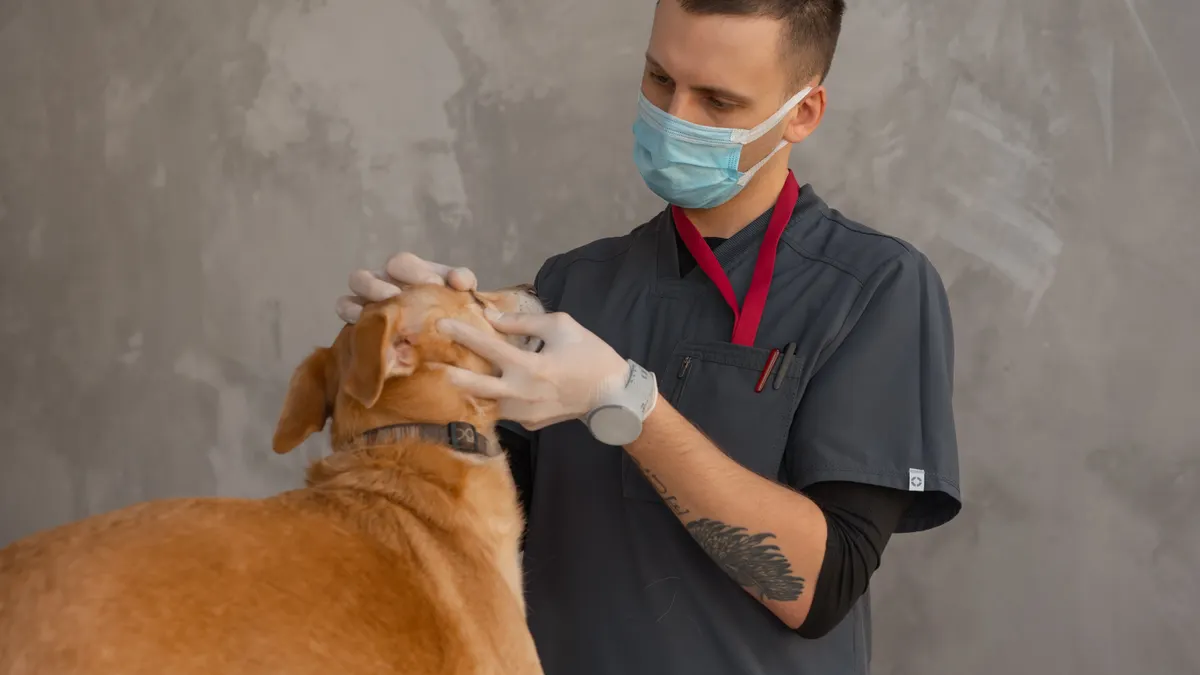
This applies to dog and cat owners trying to figure out whether a pet insurance plan may pay for gingivitis, periodontitis, or related treatment after a veterinarian examines the mouth. It assumes the pet already has a diagnosis or a strong suspicion of dental disease, and that the reader wants to know what an insurer usually considers covered versus excluded. It also assumes the reader has the policy documents, because the fine print matters more than the label on the plan.
This is not the right path for someone trying to guess whether a mouth problem is “just bad breath” or something more serious. Gum disease can progress quietly, and veterinary dental guidance treats it as a medical issue, not a cosmetic one. If a pet has drooling, pawing at the mouth, bleeding gums, trouble chewing, or loose teeth, the safest move is to have a veterinarian examine it rather than waiting for the insurance decision first. That exam can also create the written record insurers often require.
A useful reference point is the AAHA Dental Care Guidelines for Dogs and Cats and the American Veterinary Dental College. Those professional sources explain why periodontal disease is common and why treatment often goes beyond a simple cleaning. For insurance purposes, that distinction matters: cleaning the teeth and treating disease are not always covered the same way. That is why this page belongs in the pet dental insurance topic, not in a general “what is pet insurance” overview.
What pet insurance usually covers for gum disease treatment?
Pet insurance usually covers gum disease treatment only when the condition fits the plan’s covered medical rules, and many plans exclude it. The most important line in the policy is often whether the insurer treats periodontal disease as a pre-existing, hereditary, congenital, preventative, or dental-only exclusion. If you are comparing plans, read that section before the waiting-period language.
Here is the practical breakdown:
- Gingivitis is the early stage of gum inflammation, often marked by red or swollen gums. Some plans may cover related treatment if it is part of a broader illness and not excluded as dental care, but many do not.
- Periodontitis is the more advanced stage, where the tissues and bone supporting the tooth are affected. That is more serious clinically, but not automatically more insurable.
- Deep cleaning usually means scaling and polishing below and above the gumline, often under anesthesia. Insurers may classify that as dental cleaning, treatment, or part of disease management depending on the policy language.
- Tooth loss can happen when periodontal disease advances. The insurance question often shifts from “Is gum disease covered?” to “Is the underlying disease covered, and is any surgery associated with it excluded?”
A generic article gets this wrong by treating all dental work as the same. It is not. One plan may pay for a medically necessary procedure if the vet documents active disease; another may exclude any treatment connected to teeth and gums unless the issue came from an accident. The word “accident” matters because many policies treat a fractured tooth from trauma differently from chronic periodontal disease. For example, an accidental tooth fracture may be covered while chronic inflammation is not.
One dependable place to start is the insurer’s section on dental or oral disease, then the waiting period, then the exclusions page. If the policy uses terms like “illness,” “disease,” “congenital condition,” or “pre-existing condition,” those definitions control the claim more than the marketing summary does. If you are unsure, ask the insurer for a written interpretation before treatment.
Why gingivitis and periodontitis are not the same thing to an insurer
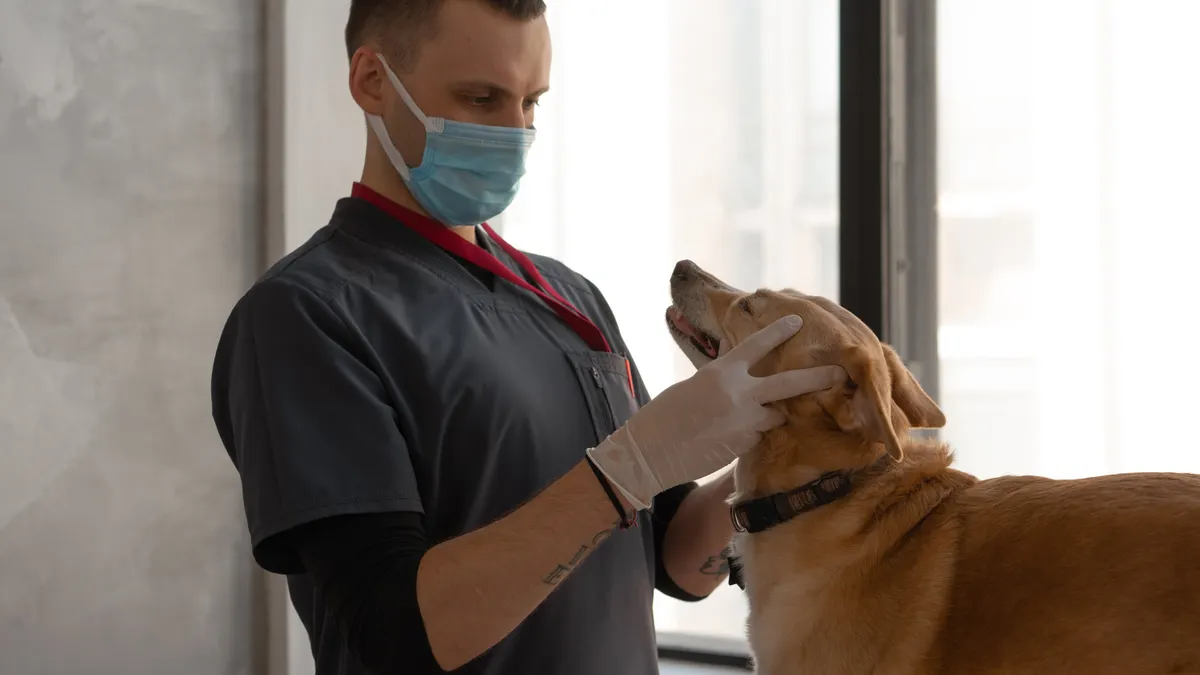
Gingivitis and periodontitis are not the same thing to an insurer because they describe different stages of disease, and the stage can affect whether the claim is seen as early dental care or advanced disease management. Gingivitis is inflammation of the gums only; periodontitis means the supporting structures are involved, which can lead to pain, infection, and tooth loss.
That medical difference is real, but the insurance distinction can still be blunt. Some policies exclude both stages under dental exclusions. Others may allow coverage if the disease is secondary to another covered illness, such as a systemic condition that affects the mouth. A veterinarian’s notes matter here because insurers often ask for a diagnosis, treatment plan, anesthesia record, and dental charting before they decide.
The phrase periodontal disease treatment usually includes more than a simple exam. It can involve charting pocket depth, full-mouth radiographs, scaling under anesthesia, flushing, polishing, antibiotics when clinically indicated, and sometimes surgery or extraction-related care. A beginner often assumes that because the treatment is medically necessary, insurance will pay. That is not a safe assumption.
One honest limitation: no amount of careful wording turns a dental exclusion into coverage. If the plan says it excludes periodontal disease, that exclusion can still apply even when the veterinarian recommends treatment to prevent further damage. In other words, medical necessity does not automatically override the contract. That is why the policy language and the vet’s diagnosis both matter.
How to check whether a claim is likely to be covered
A claim is more likely to be covered when the policy language, the pet’s medical history, and the veterinarian’s records all point in the same direction. The goal is to identify whether the treatment is being classified as covered illness care, excluded dental disease, or an excluded pre-existing condition.
- Get the exact diagnosis from the veterinarian. Ask whether the chart says gingivitis, periodontitis, dental disease, or a broader illness affecting the mouth. Verify that the diagnosis is written clearly in the record. A vague note like “dental issue” can make a claim harder to review; a specific term gives the insurer less room to reinterpret it.
- Read the dental section of the policy, not just the summary. Look for the words “dental disease,” “periodontal disease,” and “oral disease.” Verify whether the plan covers illness, accident, or both. A problem is likely if the summary sounds broad but the exclusions page carves out teeth and gums in one sentence.
- Check the waiting period and prior history rules. Many plans use waiting periods before illness coverage begins, and some exclude conditions that showed signs before enrollment. Verify the enrollment date, the first symptoms, and any prior vet mention of bad breath, bleeding gums, or tartar. If symptoms appeared earlier, the insurer may call it pre-existing.
- Ask for the treatment estimate in writing. Request itemized charges for anesthesia, dental radiographs, scaling, polishing, medications, and any surgery-related services. Verify which items are being recommended for disease treatment versus routine care. A problem is likely if the invoice bundles covered and excluded services together with no detail.
- Confirm whether deep cleaning is considered treatment or routine cleaning. The term “deep cleaning” can mean different things in different clinics. Verify whether the procedure is being done because of active periodontal disease. If it is only preventive maintenance, many plans treat it differently from medically necessary disease care.
- Check whether any systemic disease is involved. Some oral signs are linked with conditions outside the mouth. Verify whether the veterinarian suspects a broader illness. If the plan covers the underlying illness but excludes dental procedures, the claim may still be only partly covered.
- Submit a pre-authorization request if the insurer offers one. Provide the diagnosis, estimate, and records before treatment when possible. Verify the insurer’s written response. A problem is likely if the company only gives a verbal answer; written approval is far more useful if the claim is later disputed.
One practical note: a claim review is easier when the records show dates, staging, and a clear reason for treatment. The most common failure point is not the medicine; it is the paperwork.
When gum disease treatment is usually not covered
Gum disease treatment is usually not covered when the plan has a dental exclusion, the disease is pre-existing, or the procedure is being treated as routine care rather than covered illness care. Those are the situations where the contract, not the clinic note, tends to decide the outcome.
Pre-existing signs were documented before the policy started: this usually means the insurer can deny the claim as an existing condition — review the date of first symptoms and ask the vet to document the timeline.
The plan excludes periodontal disease or dental disease outright: this usually means even medically recommended treatment is outside the contract — look for a different benefit category rather than assuming an appeal will work.
The procedure is labeled routine prophylaxis rather than disease treatment: this usually means the insurer may classify it as a cleaning, not a covered illness claim — ask whether the record shows active periodontal disease, not just maintenance.
The pet has had repeated dental signs before enrollment: this usually suggests a pre-existing or chronic issue — expect tighter review and consider that the insurer may deny related care.
The treatment is mainly for cosmetic appearance or breath odor: this usually falls outside medical coverage — ask the veterinarian whether there is documented disease, not just visible tartar.
The only evidence is a phone conversation, not written records: this makes denial more likely because the insurer has little to verify — gather records before filing.
This is the point where many owners should stop guessing and ask for a written explanation from the insurer. A polite phone call can help, but the claim decision depends on documents. If the issue is severe, painful, or associated with tooth instability, the veterinarian should guide the medical side and the insurer should handle the coverage side separately. For appeals, keep the written diagnosis and estimate together.
Common mistakes that turn a valid question into a denied claim
The most common mistake is assuming every dental problem is covered the same way, and that can turn a potentially covered illness claim into a denied one. The fix is to match the medical record to the policy language before treatment starts.
-
Calling every dental procedure a “cleaning.” The consequence is that the insurer may categorize a disease-related procedure as routine care and deny it. The better approach is to use the veterinarian’s actual terminology, such as gingivitis, periodontitis, or periodontal disease treatment.
-
Waiting until after treatment to read the exclusions. The consequence is a surprise denial, often after anesthesia and radiographs are already billed. The better approach is to check the policy first, especially the dental and pre-existing condition sections.
-
Submitting only a receipt, not the full record. The consequence is a claim file that lacks the diagnosis, staging, and medical necessity details the insurer wants. The better approach is to include the exam notes, estimate, dental chart, and any imaging summary.
-
Assuming tooth loss means the claim is automatically covered. The consequence is disappointment, because tooth loss can be the result of an excluded disease even when the outcome is serious. The better approach is to focus on the cause and the policy wording, not the severity alone.
-
Ignoring home dental care after treatment. The consequence is that plaque and inflammation can return, which may create repeat expenses even if one episode is covered. The better approach is to follow the veterinarian’s home-care plan and ask which products are appropriate for the pet’s mouth and temperament.
-
Treating insurance approval as a substitute for medical advice. The consequence is choosing coverage over care or care over coverage without enough information. The better approach is to let the veterinarian set the medical plan and let the insurer decide the payment side.
A strong claim file does not guarantee payment, but weak paperwork almost guarantees trouble. That is the trade-off.
Home dental care after a diagnosis
Home dental care matters after a diagnosis because gum disease can progress again even after treatment, and insurers generally do not treat home care as a substitute for veterinary care. The point is maintenance, not a cure.
For a pet with a history of gingivitis or periodontitis, the veterinarian may recommend a home routine that fits the pet’s mouth, cooperation level, and any pain issues. That can include tooth brushing, dental diets, or VOHC-accepted products, depending on the pet and the clinician’s advice. The Veterinary Oral Health Council (VOHC) is a useful source for products that meet its acceptance standards for plaque or tartar control.
The mistake to avoid is thinking that home care changes coverage for a current claim. It usually does not. Insurers decide based on the policy, the diagnosis, and the timing. Home care matters because it may reduce future inflammation and future procedures, but it does not rewrite the claim history.
This is also where expectations need to stay realistic. A pet with advanced periodontitis may need ongoing monitoring, not just a brushing routine at home. If the mouth is painful, if the pet will not tolerate brushing, or if there is tooth instability, the veterinarian should set the plan. No online article can replace that exam.
What the clean answer is, and what it is not
The clean answer is that pet insurance may cover gum disease treatment, but only when the policy treats the condition as covered illness care and not as an excluded dental problem. That answer is useful, but it is not universal.
What it is not: a promise that every deep cleaning, periodontal procedure, or mouth-related claim will be paid. The contract language decides that. The pet’s medical record decides how the insurer reads the claim. And the veterinarian decides what the mouth actually needs.
For a reader comparing plans, the best questions are simple: Does this policy exclude periodontal disease? Does it cover illness affecting the mouth? Does it treat dental radiographs, anesthesia, or deep cleaning as part of an illness claim? If those answers are unclear, ask the insurer in writing before treatment.
Drafted with AI; not yet reviewed by a person.