Last updated: November 19, 2026
Quick Answer: Pet insurance coverage by treatment type usually means the insurer reviews a vet bill line by line and applies the plan rules to each service. In practice, a claim can still be partly denied if the condition is pre-existing, the service falls under an exclusion, or the waiting period has not passed. For a typical accident-and-illness policy, the important numbers are still the deductible, reimbursement rate, and annual limit. The fastest way to reduce surprises is to review the benefit schedule and exclusions before you buy, and then ask a licensed veterinarian or your insurer’s claims team about your pet’s specific diagnosis.
Key Takeaways
- Treatment categories are how insurers decide which vet-bill lines can be paid.
- Coverage still depends on the diagnosis, plan terms, and claim eligibility.
- Deductibles, reimbursement rates, and limits control the final payout.
- Review categories, exclusions, waiting periods, and claim math before you buy.
For context, this guide on Pet Insurance Coverage by Treatment Type — The Complete Guide uses public evidence gathered for that query: 26 PubMed records matched for 2016–2026 and the 26 most relevant were read; 6 ClinicalTrials.gov records matched and the first 6 were read, all computed on 2026-10-29 from PubMed (NCBI) and ClinicalTrials.gov. That evidence base is thin on randomized trials and heavy on reviews, so the practical advice below leans on standard policy language, veterinary billing practice, and plain-language interpretation rather than pretending the literature is richer than it is.
What “coverage by treatment type” actually means
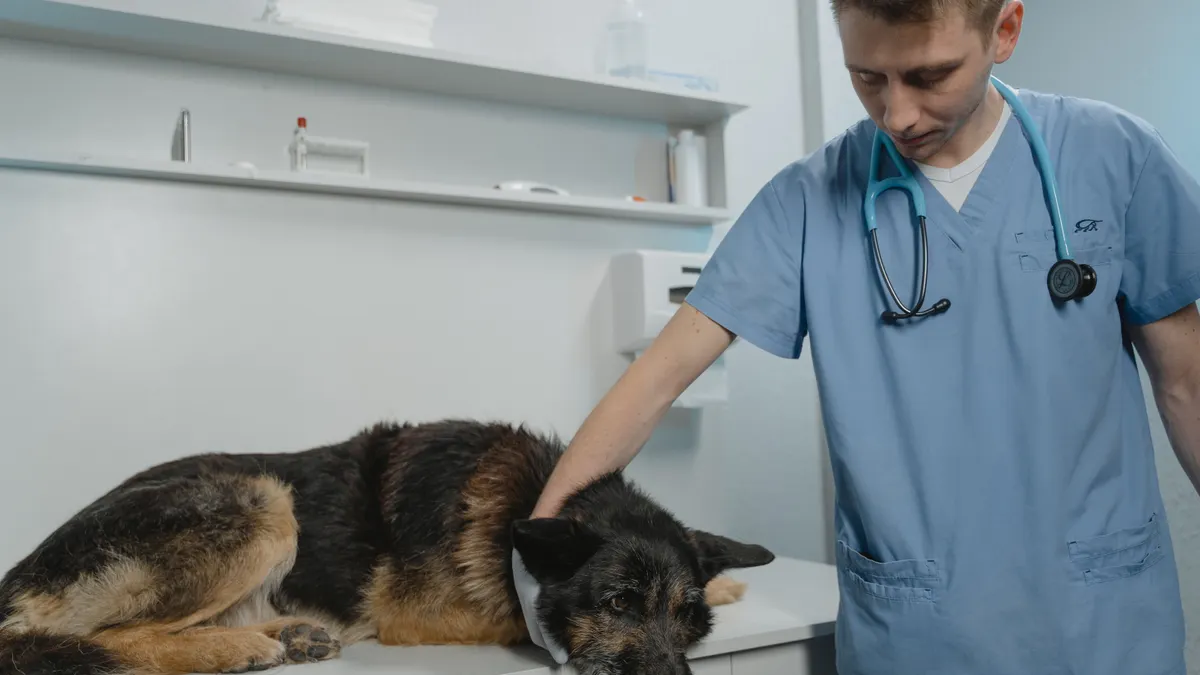
Coverage by treatment type means the insurer sorts a veterinary bill by service category, then applies the plan rules to each line item. A blood panel, an X-ray, an ultrasound, a surgery, a prescription drug, and a rehabilitation session can all be treated differently on the same invoice. That is why one claim may be partly paid and partly denied even when the illness itself is covered.
The categories that matter most are usually these: accident and illness coverage, wellness or preventive coverage, prescription medication coverage, surgery, diagnostics, hospitalization, emergency care, rehab, dental care, and specialist care. Some plans also carve out acupuncture, hydrotherapy, or behavioral treatment. A “covered” category is not the same thing as “paid in full.” Most policies still use a deductible, a reimbursement percentage, and a per-incident or annual cap.
The biggest mistake is assuming the diagnosis decides the payout by itself. In practice, insurers look at four layers at once: the event or diagnosis, the treatment category, the date of onset, and the policy exclusions. A torn cruciate ligament, for example, may trigger imaging, surgery, pain management, and follow-up care. One of those services may be covered, another may be capped, and another may be denied if the condition was pre-existing.
One helpful way to think about it is this: pet insurance is a reimbursement system, not a veterinary discount card. The insurer usually asks for the itemized invoice and the medical record, then applies plan logic to each service. If a reader wants a simple rule, the rule is this: the more the treatment looks like diagnosis or treatment of a new illness or injury, the more likely it is to fit an illness plan; the more it looks like routine maintenance, the more likely it belongs in a wellness add-on or outside coverage altogether. If the wording is unclear, consult the insurer or a veterinarian before relying on a general rule.
That distinction matters because the same procedure can change category depending on context. A dental extraction done to remove a fractured tooth after trauma is not evaluated the same way as a cleaning done to prevent tartar buildup. A skin biopsy for a suspected mass is not treated the same way as flea prevention. A hospitalization for vomiting after a toxin exposure is not treated the same way as boarding while the owner travels. The treatment type drives the claim review, but the underlying cause and the policy wording decide the final outcome.
Which treatment types are usually covered?
Treatment types are usually covered when they are part of diagnosing or treating a new, eligible illness or injury, but the exact list depends on the plan. A standard accident-and-illness policy often covers veterinary exams tied to a covered event, diagnostics, surgery, anesthesia, hospitalization, prescription drugs, and some specialist visits. Wellness add-ons, when available, are separate and usually cover a narrower set of routine services. If you need a plan-specific answer, consult the policy documents or the insurer before assuming a service qualifies.
Diagnostics are commonly the first point of coverage. That bucket can include physical exams associated with a claim, blood work, urinalysis, fecal tests, X-rays, ultrasound, MRI or CT in some higher-end plans, and pathology or cytology when a sample is sent to a lab. The term diagnostics means tests used to identify what is wrong, not elective screening done with no signs of disease. If the insurer defines the exam as part of a covered condition, the visit fee may be included; if not, the exam may be excluded even when the rest of the claim is paid.
Surgery is often covered when it is medically necessary and tied to a covered condition. Examples include foreign body removal, fracture repair, tumor removal, or soft-tissue surgery. A plan may pay for the surgeon’s fee, the operating suite, anesthesia, and post-op medication, but it can still exclude a known congenital problem, a pre-existing orthopedic issue, or a preventive procedure. Some plans also use a separate orthopedic waiting period, often around 6 to 12 months in the contract language, before knee or hip problems are eligible. That waiting period is a policy term, not a medical rule.
Prescription medication is frequently covered in illness plans, but usually only if the drug is prescribed for an eligible condition. The medication must be specifically listed, properly dispensed, and tied to the medical record. Flea and tick preventives, heartworm preventives, and vaccines are often handled under wellness coverage or excluded from standard illness coverage. A compounded drug may be covered on some plans and excluded on others. If the invoice names the drug but not the diagnosis, the claim can stall.
Emergency and hospital care are often covered when they flow from a sudden accident or illness. That can include triage, overnight monitoring, IV fluids, oxygen therapy, pain control, and nursing care. The catch is that “emergency” is not a magic word; the underlying reason still has to fit the policy. A weekend visit for diarrhea may be covered if it is tied to a covered illness, but it may still be subject to the deductible and annual limit. A boarding charge while a pet stays at the hospital may be treated differently from medical monitoring.
Rehabilitation and alternative therapies are the most variable treatment types. Some insurers cover physical therapy, underwater treadmill work, chiropractic care, acupuncture, or laser therapy only when they are ordered after surgery or for a covered condition and provided by a licensed professional. Others limit these services to a fixed dollar amount or exclude them entirely. The safest assumption is that rehab is not standard coverage unless the policy says so in plain language.
Dental care is another area where treatment type matters a great deal. A cleaning for routine dental maintenance is often excluded from accident-and-illness coverage unless a wellness rider is attached. By contrast, treatment for a fractured tooth, an oral mass, or a jaw injury may be covered if the policy covers dental illness or trauma. Periodontal disease can be treated as a routine issue, a preventable issue, or a covered illness depending on the insurer’s wording, so this is one of the first places to ask for written clarification.
Behavioral treatment is sometimes covered, but not universally. Plans may pay for consultation, medication, or behavior-modification therapy when anxiety, compulsive behavior, or similar issues are documented by a veterinarian. Some policies require a formal diagnosis; others exclude behavior care altogether. Because the language varies, this is a section where a policy booklet matters more than a marketing page.
Wellness or preventive coverage is the clearest treatment-type split. Vaccines, heartworm tests, fecal screening, routine dental cleanings, annual exams, flea prevention, and spay-neuter care usually belong here if the insurer offers wellness at all. These services are typically not “insurance” in the true risk-transfer sense; they are more like a bundled savings feature. A reader should not buy wellness coverage expecting it to behave like illness coverage.
How do deductibles, reimbursement, and limits change the payout?
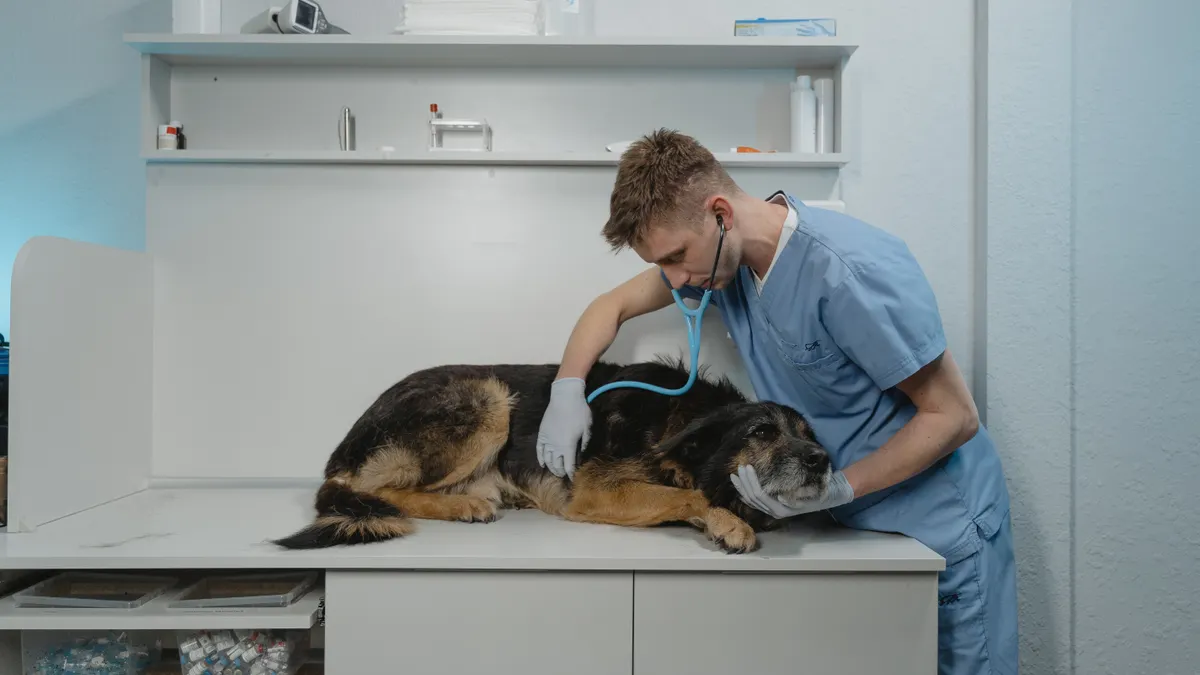
Deductibles, reimbursement rates, and limits determine how much of a covered treatment type turns into actual money back. A claim can be medically eligible and still leave the owner with a large bill if the deductible is high, the reimbursement rate is low, or the annual cap is already used up. These three terms matter as much as the treatment category itself.
A deductible is the amount the owner must pay before reimbursement starts. Some policies use an annual deductible, others use a per-condition or per-incident deductible. If a plan has a $500 annual deductible and a covered claim totals $1,200, the insurer may only apply reimbursement to the remaining $700. If the same claim appears early in the policy year, the payout can look very different from the same claim after several other visits.
Reimbursement rate is the percentage the insurer uses after the deductible is met. Common structures are 70%, 80%, or 90%, but the plan can still apply that percentage only to eligible charges. If a policy reimburses 80% and the eligible portion of a bill is $1,000, the payout is not $800 unless the deductible is already satisfied and the plan has no other limitation on that line item. Co-insurance, the share the owner keeps, is the part that remains after reimbursement.
Limits are the ceiling. They may be annual, per-condition, per-incident, or lifetime. A plan with a $10,000 annual limit can still deny part of a claim once that cap is reached. Some plans also place sub-limits on specific treatment types, such as dental, rehab, behavioral care, or diagnostic imaging. A sub-limit is a smaller cap inside the broader policy cap, and it can matter more than the headline reimbursement rate.
The timing of the claim also matters. Waiting periods can block coverage for a set number of days after purchase, and some conditions have longer waiting periods than others. A treatment that happens inside the waiting period is usually not eligible, even if the plan later becomes active. Likewise, pre-existing condition exclusions can follow the pet across plans, which means a treatment type may be covered in the abstract but denied because the underlying problem began earlier.
The result is that a simple “Is X covered?” question is incomplete. A better question is: “Is X covered under this plan, for this diagnosis, after this waiting period, and within this deductible and limit structure?” That is the real checklist.
What should I check before buying a plan?
You should check the exact treatment categories, exclusion list, waiting periods, and claim math before buying any policy. Those four items tell you more than the premium alone. A cheap plan that excludes dental disease, rehab, and prescription drugs can be less useful than a pricier plan with broader treatment coverage.
Start with the definitions page, not the sales page. Look for how the insurer defines accident, illness, exam fee, curable condition, chronic condition, hereditary condition, congenital condition, and pre-existing condition. Those definitions decide whether treatment type alone is enough or whether the underlying diagnosis changes the result. If the definitions are vague, ask the insurer for written clarification before purchase.
Next, check how the policy treats common high-cost services. MRI and CT scans can be expensive, but some plans do not cover advanced imaging unless it is tied to a surgical pathway. Orthopedic surgery may be covered after a longer waiting period than soft-tissue surgery. Cancer care may be included in some plans and limited in others. If you own a breed with a known orthopedic, dental, or airway risk, this step matters even more.
Then look for sub-limits and exclusions. A plan may say it covers “alternative therapy” but cap it at a modest annual amount. It may cover “dental illness” but exclude periodontal disease. It may cover prescription drugs but exclude compounded medications or long-term maintenance drugs. Exclusions are not side notes; they are the part that decides whether the treatment type actually pays.
Ask about direct vet pay only if you need it, because not every insurer offers it. Most pet insurance still works as reimbursement after the owner pays the clinic. If cash flow is a concern, the claims timeline matters: how long the insurer takes to process a claim can be as important as the coverage itself. The better question is not “Does the plan cover surgery?” but “Will I be able to front the bill until reimbursement arrives?”
Finally, read the policy about bilateral conditions if your pet is at risk for orthopedic problems. Some insurers treat an injury on one side of the body as a clue for the other side and may exclude the second side if the first side was pre-existing. This is one of the most common traps in treatment-type coverage because the owner thinks in terms of a procedure, while the insurer thinks in terms of a condition pattern.
How do I read a policy and make a claim step by step?
You should read the benefit schedule, confirm the treatment category, and file with the medical record attached. That sequence reduces denials because it aligns what the clinic billed with what the insurer needs to see. The steps below are the practical route for a standard accident-and-illness claim, and they fit most policies that use reimbursement, deductibles, and annual limits.
- Identify the treatment line by line. Pull the itemized invoice and separate exam fees, diagnostics, drugs, procedures, hospitalization, and follow-up care. Verify that each line has a CPT-like or clinic-specific code, a date, and a description. If the bill is only a total with no detail, the claim can stall or be denied for missing documentation.
- Match each line to the policy category. Check whether the service is listed as accident, illness, dental, rehab, behavioral, or wellness. Verify the category in the policy booklet or declarations page, not the brochure. If you cannot find the category in writing, that is a warning sign that the insurer may classify it narrowly later.
- Check the waiting period and onset date. Compare the service date with the policy’s waiting period, which is often measured in days from the effective date. Verify the medical record shows when symptoms began. If symptoms started before coverage or inside the waiting period, the insurer may classify the issue as pre-existing or ineligible.
- Confirm the deductible structure. Look for annual, per-condition, or per-incident wording and note the amount. Verify whether the deductible has already been met by earlier claims. If the deductible resets by condition and you assume it resets by year, the reimbursement estimate will be wrong.
- Apply the reimbursement rate only to eligible charges. Use the plan’s percentage after subtracting ineligible items. Verify whether taxes, exam fees, or incidentals are eligible in your plan. If you calculate 80% of the full invoice when the exam fee is excluded, the projected payout will overshoot the real one.
- Check the annual or sub-limit before filing. Compare the expected reimbursement to the remaining policy cap and any category cap, such as dental or rehab. Verify there is enough limit left for the claim to land. If the cap is already used, the insurer can pay only up to the remaining balance, even on an otherwise valid claim.
- Attach the medical record and diagnosis support. Submit the vet notes, lab reports, imaging summary, and prescription details the insurer requests. Verify the diagnosis is described clearly and consistently across the documents. If the notes conflict with the invoice or omit the reason for treatment, the adjuster may request more records and delay payment.
- Track the explanation of benefits. Read the insurer’s decision line by line after the claim is processed. Verify which items were paid, reduced, or denied and why. If the denial cites a policy exclusion, waiting period, or missing record, that is the signal to ask for a written review rather than resubmitting the same packet unchanged.
A good result is not always full reimbursement. A good result is a claim that is processed cleanly, with each treatment type assigned the correct rule and no surprises hidden in the fine print. If the insurer reclassifies a line item, the owner should be able to see exactly why.
When should you stop assuming a treatment is covered?
You should stop assuming coverage as soon as the treatment has a routine label but a complicated cause, a pre-existing history, or a policy exclusion. That is the point where a generic answer stops being safe. In pet insurance, the wrong assumption usually costs money, not just time. When the situation is unclear, ask the insurer or a veterinarian for a written read on the claim.
The condition started before the policy date: This is a classic pre-existing-condition problem, and it can make otherwise normal treatment ineligible — ask the insurer for a written explanation and have the veterinary record reviewed if the timeline is disputed.
The treatment is preventive rather than therapeutic: Routine vaccines, annual screening, flea control, and many dental cleanings are often outside illness coverage — check whether a wellness rider exists and whether it has its own cap.
The service has a special waiting period: Orthopedic, ligament, or dental timing rules can block payment even when the policy is active — confirm the specific day count in the contract before scheduling non-urgent care.
The bill mixes covered and uncovered items: A single visit can include eligible diagnostics plus excluded grooming, boarding, or preventive products — ask the clinic for a separated invoice so only the covered treatment type is submitted.
The plan has a sub-limit for the category: Rehab, behavior care, dental disease, and alternative therapy often have smaller caps than the main annual limit — check the category balance before you approve costly treatment.
The insurer requires preauthorization: Some advanced imaging, surgery, or specialty care may need prior review — if that step is skipped, the claim can be reduced or denied even when the treatment itself would otherwise qualify.
The diagnosis is chronic or bilateral: Long-running conditions and paired-body-part issues can trigger special exclusions — ask whether the insurer treats the problem as a single condition episode or as separate events.
For a reader with a dog or cat that already has a complicated medical file, this is where a qualified veterinarian and the insurer’s claims department are the right next stop. A general guide cannot settle the facts in a disputed record.
What mistakes cost people the most?
The costliest mistakes are the ones that confuse a treatment name with coverage, or a marketing promise with a contract term. Pet insurance is full of examples where the label sounds broad but the rule is narrow. The error is not usually buying insurance; it is buying it without reading the parts that control claims.
One common mistake is assuming surgery means everything around surgery is paid. The consequence is a surprise invoice for anesthesia, overnight monitoring, or post-op drugs if the policy treats those items separately. The better approach is to read the surgical benefit as a bundle of line items, not a single yes/no switch.
Another mistake is treating wellness and illness coverage as the same thing. That usually leads to disappointment when routine care is denied under a standard accident-and-illness plan. The correct alternative is to buy wellness only if the plan has enough value for the services you already expect to use in a 12-month period.
A third mistake is ignoring the date of first symptoms. If the chart suggests the problem began before the policy started, the insurer may deny the claim even if the treatment happened later. The correct alternative is to ask the clinic to document onset clearly and to submit records that support the timeline without embellishment.
A fourth mistake is sending a vague claim with no medical record. That often triggers delay, back-and-forth requests, or partial denial because the adjuster cannot match the service to a covered diagnosis. The correct alternative is to submit the itemized invoice, notes, labs, and imaging report together on the first pass.
A fifth mistake is choosing a plan because the monthly premium is low while ignoring the deductible and caps. The consequence is a plan that looks affordable until a real claim hits. The correct alternative is to compare the total out-of-pocket exposure for a likely treatment type, such as a $2,000 surgery or a $1,000 diagnostic workup, rather than the premium alone.
When does the standard coverage approach need to change?
The standard approach needs to change when the pet has a known breed risk, an existing diagnosis, a senior-pet medical file, or a therapy that sits outside ordinary veterinary care. In those cases, a simple accident-and-illness comparison is not enough.
Breed-related risk is one of the most important edge cases. A bulldog, French bulldog, or other brachycephalic breed may face airway, dental, or orthopedic issues that are treated differently by different insurers. A large breed may face joint disease and cruciate injury risk that interacts with orthopedic waiting periods and bilateral exclusions. The exact breed is not a guarantee of denial, but it changes what a careful buyer should ask before enrollment.
Senior pets also change the picture. Older cats and dogs are more likely to have pre-existing conditions, chronic medication use, and overlapping problems that make claims harder to separate by treatment type. A senior pet can still benefit from insurance, but the owner should expect more scrutiny of historical records and more importance placed on the first documented signs of disease. If the medical record is incomplete, the claim may be harder to support.
Cancer care is another special case because treatment often spans surgery, pathology, imaging, medication, and repeated follow-up. Coverage may exist for part of the pathway but not all of it. A reader facing a cancer diagnosis should not assume every oncology expense is treated the same way; the insurer may distinguish between diagnostics, surgery, chemo drugs, and supportive care.
Behavioral medicine and rehab also need special handling. These services may be covered only if they are prescribed, documented, and performed under a narrow policy definition. If the pet’s problem is long-term anxiety or post-operative mobility work, the owner should expect limits or exclusions unless the contract says otherwise. The relevant question is not “Is rehab covered?” but “Under which conditions, by whom, and up to what cap?”
Finally, direct-pay arrangements, if available, change the cash flow but not the underlying coverage logic. They can help an owner who cannot front a large bill, but they do not turn an excluded service into a covered one. That is a financial tool, not a benefit expansion.
What does a good pet insurance match look like?
A good match is a policy whose treatment categories match the pet’s likely risks and the owner’s budget for a 12-month claim cycle. The right plan is not the broadest one on paper; it is the one that covers the care the pet is most likely to need without creating a premium or cap structure that makes the coverage unusable.
For a young healthy pet, a straightforward accident-and-illness policy can make sense if the owner mainly wants protection against a large, unexpected event like a fracture, foreign body surgery, or sudden hospitalization. In that case, the most useful features are a reasonable deductible, a reimbursement rate that the owner can handle, and no glaring exclusions for diagnostics or surgery. Wellness add-ons can be skipped if the owner is comfortable self-funding routine care.
For a breed with recurring orthopedic or dental risk, the owner should prioritize coverage details over premium size. Orthopedic waiting periods, bilateral exclusions, dental disease language, and sub-limits matter more than a cheap monthly rate. If the plan excludes the very treatment types most likely to be used, it is the wrong plan even if the premium looks attractive.
For a pet already showing signs of illness, the right question becomes whether a policy can still add value at all. Pre-existing condition exclusions can sharply reduce usefulness, and it is never wise to buy insurance while assuming it will retroactively cover a known problem. A veterinarian can help interpret whether the current issue is isolated, chronic, or likely to recur, but the insurer’s written rules still control.
A good match also leaves room for uncertainty. The policy should have clear definitions, accessible claims instructions, and a way to ask about edge cases in writing. If the wording is slippery, the insurer may be able to interpret treatment types narrowly when a claim arrives. That is not a sign of a bad vet; it is a sign of a weak contract.
What questions do people usually ask before they file a claim?
Pet owners usually ask whether the treatment itself is covered, whether the diagnosis matters, and what documents the insurer needs. Those are the right questions, because a claim that starts with the wrong category or missing records is the one most likely to be delayed.
Is an X-ray usually covered by pet insurance?
An X-ray is often covered when it is part of diagnosing or treating a covered accident or illness, but it is not automatically paid just because the pet had one. The policy may still apply the deductible, reimbursement rate, and a claim-specific exclusion. If the imaging was done for a pre-existing issue or inside a waiting period, coverage can still fail.
Are prescription drugs covered?
Prescription drugs are commonly covered in illness plans when they are tied to an eligible diagnosis, but not every medication is treated the same way. Flea, tick, and heartworm preventives are often handled as wellness or excluded entirely. The safest check is whether the specific drug name appears in the policy terms or claims guidance.
Is dental treatment covered?
Dental treatment is sometimes covered when it is linked to trauma, fracture, oral disease, or another covered illness, but routine cleanings are often not included in standard illness coverage. Dental language varies sharply by insurer, especially for periodontal disease. The invoice and the diagnosis both matter.
Does pet insurance cover emergency surgery?
Emergency surgery is often covered if the emergency comes from a covered accident or illness and the surgery is medically necessary. The insurer may still review the hospital record, the timing, and the specific condition. A true emergency does not erase exclusions, waiting periods, or annual limits.
Will wellness coverage pay for vaccines and annual checkups?
Wellness add-ons commonly include vaccines, annual exams, parasite prevention, and similar routine care, but only up to the plan’s own allowance. That money usually comes from a separate benefit pool, not from the illness side of the policy. A reader should treat wellness as a budgeting tool, not as broad medical insurance.
The bottom line
Pet insurance by treatment type works best when the owner thinks in categories, not slogans. The real question is not whether a plan “covers vet bills”; it is which treatment types it covers, under what conditions, with what deductible, and with which limits. That is why two claims for the same diagnosis can produce very different payouts.
A careful buyer checks the policy definitions, waiting periods, exclusions, and sub-limits before enrolling. A careful claimant submits the itemized invoice and medical record together, then reads the explanation of benefits line by line. The plan may still be a good fit even if it does not pay for every service, but it is the wrong fit if the treatment types you are most likely to need are the ones it narrows most.
If the pet already has a complicated history, a likely hereditary condition, or a treatment plan that includes rehab, dentistry, or specialty care, the best next step is not guesswork. It is a written answer from the insurer, plus guidance from a qualified veterinarian who can document the medical side cleanly.
What this evidence base suggests
The public research base for this exact topic is modest. The PubMed search that matched Pet Insurance Coverage by Treatment Type returned 26 records for 2016–2026, with a median publication year of 2023 and 5 of the 26 tagged as Review publications on PubMed (NCBI), computed on 2026-10-29. The same PubMed set also included 1 Observational Study and 1 Randomized Controlled Trial, which suggests the literature is much more review-heavy than trial-heavy.
ClinicalTrials.gov shows 6 registered trials matching this subject, with 2 active not recruiting, 2 recruiting, 1 completed, 1 unknown, 2 at Na phase, 1 at Phase 2, and a median planned enrolment of 300 participants across the 6 trials, computed on 2026-10-29 from ClinicalTrials.gov. That mix is not enough to support flashy claims about one “best” treatment type strategy. It does support a conservative reading: policy wording, not marketing copy, is the decisive document.
For readers who want the formal sources behind the definitions and claim structure, the most relevant public references are the PubMed record set at NCBI, the ClinicalTrials.gov registry, and the AAHA pet insurance guide at https://www.aaha.org. Those are the places to verify whether a future study actually changes the way treatment-type coverage is discussed.
Drafted with AI; not yet reviewed by a person.