Last updated: November 19, 2026
Quick Answer: Yes—many pet insurance plans can cover physical therapy and veterinary rehabilitation, but coverage is often limited to medically necessary treatment after an injury or surgery. If you are asking, “Does Pet Insurance Cover Physical Therapy and Rehabilitation?” the answer is usually yes, sometimes, but you should confirm the policy with your veterinarian and insurer first. Coverage is not automatic, and a rehabilitation clinic will usually need veterinary records and prior authorization before treatment starts. Speak with a qualified veterinarian and review the policy language before you book anything.
Key Takeaways
- Pet insurance may cover rehab-based physical therapy, but only when the policy treats it as medical care.
- Coverage depends on the plan, diagnosis, and claim timing.
- Check the policy before scheduling therapy.
- Denials often happen when rehab looks elective on paper, not because the treatment lacks value.
What pet insurance usually covers in rehab care
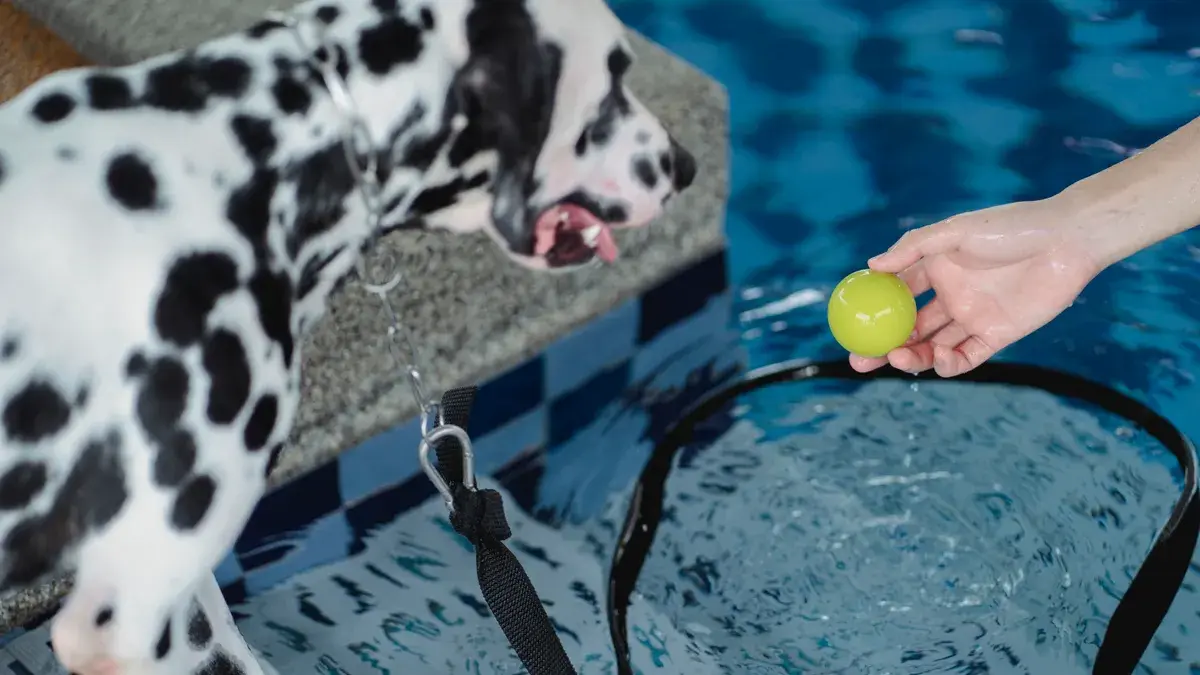
Does Pet Insurance Cover Physical Therapy and Rehabilitation? Often, pet insurance can cover physical therapy when the plan treats it as part of veterinary rehabilitation rather than as wellness care. That matters because “rehabilitation” is the field name for structured recovery after injury or surgery, often in a rehabilitation clinic, and it may include hydrotherapy, laser therapy, guided exercise, massage, joint mobilization, and home exercise plans. Some plans cover these services under accident-and-illness benefits; others exclude them unless the insurer specifically lists rehab. See the AKC Pet Insurance guide to rehabilitation coverage and the American Animal Hospital Association’s rehabilitation resources.
The key word is medically necessary. A policy may pay for post-surgery rehab after orthopedic recovery, such as after cruciate ligament repair, fracture repair, or spinal surgery, if the veterinarian documents why the therapy is part of the treatment plan. A wellness rider may cover preventive visits or routine nail trims, but that is not the same thing as therapeutic rehabilitation. If the treatment is aimed at improving function after a covered condition, it has a better chance of being reimbursed. For details, check the insurer’s terms and the AAHA guidance on rehabilitation and pain management.
This is where many readers get tripped up: “physical therapy” is a useful everyday phrase, but insurers may use narrower labels such as veterinary rehabilitation, rehabilitation therapy, or supportive therapy. If the plan language is vague, the claims team may ask for the diagnosis, procedure notes, and the rehab plan before approving payment. A quick call to the insurer before the first visit can save a denied claim and a surprise bill. For treatment decisions, a qualified veterinarian should guide the plan for your own pet. For coverage language, read the policy and the insurer’s claims guidance before care starts.
For context, PubMed shows 26 records matching this topic for 2016–2026; the 26 most relevant were read and the figures below are computed across that set, and ClinicalTrials.gov shows 6 registered trials for the term; the first 6 were read and the shares below are computed across them, all on 2026-10-29, using the specified query and selection rules. That evidence base is modest, which is one reason insurers still vary so much in how they handle rehab.
Does pet insurance cover physical therapy and rehabilitation?
Does Pet Insurance Cover Physical Therapy and Rehabilitation? Often yes, but the answer depends on the plan, the diagnosis, and the timing of the claim. Many accident-and-illness policies will pay for rehab that follows a covered injury or surgery, while some plans exclude it unless the insurer has a specific rehab benefit or endorsement. The same policy may cover one treatment and exclude another, even in the same recovery course. For plan details, compare the policy text with the insurer’s coverage page and your veterinarian’s recommendations.
The treatment setting matters too. A rehabilitation clinic may bill for a consultation, rechecks, underwater treadmill sessions, therapeutic exercise, or laser therapy. Hydrotherapy is often used in orthopedic recovery because it can reduce load on an injured limb while the pet moves, but not every insurer treats it the same way. Laser therapy may be covered as part of pain management or rehab in one plan and excluded as “alternative” therapy in another. Chiropractic care is the least predictable category because some insurers classify it as complementary care rather than standard rehab. See the ASPCA Pet Health Insurance rehabilitation overview and the AAHA rehabilitation resources for terminology.
Plan authorization is the step that decides many claims. Some insurers want a referral from the primary veterinarian and approval before the first session; others allow treatment first and review the claim afterward. If the policy requires prior approval and the owner skips it, the claim may be reduced or denied even if the therapy itself would otherwise qualify. That is especially common when rehab begins soon after surgery and the billing is spread over multiple visits. If you are unsure, ask the insurer and your veterinarian before the first session.
A generic policy summary usually says “rehabilitation may be covered,” but that phrase hides the actual rule set. Look for exclusions, annual benefit caps, visit limits, and whether the plan covers only licensed veterinary rehab or also treatment delivered by a certified rehabilitation therapist under veterinary supervision. The practical question is not just “Is rehab covered?” but “What proof does the insurer require to show that this rehab belongs to the covered medical event?” For help interpreting the policy, use the insurer’s FAQ, then confirm with your veterinarian.
What to check before you book the first session
Does Pet Insurance Cover Physical Therapy and Rehabilitation? Check the policy first, not after the invoices arrive. The cleanest way to do that is to match the planned rehab service to the insurer’s terms, then confirm whether the treatment is tied to a covered injury or surgery. A 10-minute benefits call can prevent a 10-visit dispute.
Start with the policy’s definitions page and search for rehabilitation, physical therapy, hydrotherapy, laser therapy, chiropractic care, and complementary therapy. If the plan uses the phrase “medically necessary,” read what that means in the policy, because that wording often controls whether a claim is payable. Then ask whether the insurer needs a referral, an itemized treatment plan, or preauthorization before the first visit. If there is no clear answer, get it in writing through the insurer’s message portal or email.
Here is the process that usually makes the difference:
- Identify the covered event first. Write down the injury or surgery date, the diagnosis, and the procedure name, then check whether that event is covered by the plan. Verify that the rehab is linked to the same claim file; a mismatch is a common reason for denial.
- Get the veterinary rehab plan in writing. Ask the veterinarian for the proposed modality, such as underwater treadmill, therapeutic exercise, or laser therapy, plus the expected frequency, often measured in visits per week. Verify that the note says why the therapy is needed; vague “supportive care” language can be a problem.
- Check the policy language for rehab-specific terms. Look for “rehabilitation,” “physical therapy,” “complementary treatment,” and “excluded services.” Verify whether chiropractic care or hydrotherapy is named separately. If the policy is silent, assume the insurer may scrutinize the claim closely.
- Confirm prior authorization rules. Ask whether preapproval is required before the first 30- or 60-minute session, or before a series of sessions. Verify the approval number or written confirmation; missing authorization is a frequent claim problem.
- Ask about provider requirements. Some plans require a licensed veterinarian or supervised veterinary rehabilitation clinic. Verify whether a canine rehab specialist, a certified therapist, or a general practice can bill the service. If the provider does not meet the plan’s criteria, coverage may fail even when the therapy is legitimate.
- Review limits and exclusions. Check for annual maximums, per-condition caps, visit caps, and exclusions for maintenance care. Verify whether the insurer covers only treatment after an acute event, not long-term conditioning. A benefit cap can leave the later sessions unpaid even when the first ones were approved.
- Keep the paperwork consistent. Save the estimate, referral, SOAP notes, invoices, and claim forms. Verify that the diagnosis code, dates of service, and treatment descriptions match across documents. Inconsistent labels—such as “wellness treadmill” instead of rehab—can trigger a delay or denial.
A well-run claim is usually a paper trail, not a guessing game. For more context on treatment categories, this page belongs with the broader hub on pet insurance coverage by treatment type and the related guide to pet insurance coverage by accident and illness.
Why claims get denied even when rehab sounds covered
Does Pet Insurance Cover Physical Therapy and Rehabilitation? Sometimes, but rehab claims are denied most often because the service looked elective on paper, not because the therapy itself has no medical value. That happens when the insurer sees an exercise session without a linked diagnosis, a chiropractor bill without veterinary referral, or hydrotherapy billed as general fitness rather than post-operative recovery. The treatment may be appropriate clinically and still miss the policy rule.
One common issue is timing. A plan may cover orthopedic recovery after surgery, but only if the rehab begins after the insurer has the operative record and the condition is tied to the claim. If therapy starts before the file is opened, the insurer may treat it as unrelated care. Another issue is provider status: a rehabilitation clinic can offer the right treatment, yet the claim can still fail if the clinic is not recognized under the policy’s provider rules.
The billing code matters too. “Laser therapy” can be described as pain management, adjunctive care, or rehabilitation depending on the clinic. That label affects how the insurer sorts the claim. Hydrotherapy has the same problem; some carriers treat it as rehab, while others place it under alternative or non-essential care. Chiropractic care is especially sensitive because some plans exclude manipulative therapies entirely unless they are part of a broader rehab plan.
A smaller but real problem is maintenance care. Once a pet reaches a stable point, some insurers stop covering continued sessions aimed at maintaining function rather than restoring it. The line between recovery and maintenance is not always sharp, so the veterinarian’s notes matter. If the notes say the pet still needs therapy to regain limb use or improve gait after surgery, that is different from “ongoing conditioning.”
When rehab coverage is the wrong assumption
Rehab coverage should not be assumed when the policy is limited, the treatment is preventive, or the paperwork is thin. The wrong assumption can cost more than the therapy itself because a denied claim leaves the owner with the full bill and no appeal leverage unless the records are strong.
The plan excludes complementary care: This usually means chiropractic care, massage, or some laser protocols are outside the benefit — do not book based on a verbal promise from a front desk agent; ask for the exclusion in writing.
No referral or prior authorization was obtained: Many plans require plan authorization before the first session — if that step was skipped, submit the paperwork if the insurer allows it, but do not assume retroactive approval.
The therapy is wellness-oriented rather than injury-related: Routine conditioning, weight-loss exercise, or general mobility work may not count as covered rehab — use a wellness benefit if the plan offers one, or expect the claim to be denied.
The provider is outside the insurer’s accepted standard: Some policies require veterinary supervision or a licensed rehab provider — if the clinic does not meet that standard, switch providers before treatment continues.
The condition is not tied to a covered event: If the injury or surgery is not itself covered, the rehab usually is not either — resolve the underlying coverage question before starting sessions.
The record shows maintenance, not recovery: Once notes emphasize long-term upkeep instead of orthopedic recovery, coverage often narrows — ask the veterinarian to document the current medical goal clearly.
These are not minor technicalities. They are the differences between a claim that pays and a claim that dies in review. When the treatment is urgent or the record is complex, a veterinary professional and the insurer’s claims team should both be involved before the schedule is set.
How to make a rehab claim easier to approve
Does Pet Insurance Cover Physical Therapy and Rehabilitation? The answer is easier to secure when the medical story is simple, the dates line up, and the provider uses the insurer’s language. That means the insurer can see the injury, the surgery, the rehab goal, and the service date without doing detective work. A clean file usually beats a persuasive phone call.
Use the exact treatment names the clinic uses, but keep the diagnosis plain. “Post-operative rehabilitation after cranial cruciate ligament repair” is more useful than “dog needs PT.” If hydrotherapy is included, list it as hydrotherapy; if the session also includes therapeutic exercise or laser therapy, separate those items on the invoice. The same applies to chiropractic care. If the plan includes a specific number of visits or a review date, stick to it; insurers tend to trust care plans that look controlled rather than open-ended.
It also helps to keep the rehabilitation clinic in the loop about insurance rules. Many clinics can provide a pre-treatment estimate, but that estimate is not the same as approval. If the insurer requests more detail, send the referral letter, procedure report, and rehab notes together. If the insurer wants an ICD-style diagnosis or a surgical report, send exactly that, not a summary in your own words. A 2-page packet that matches the file is better than a 20-page packet that wanders.
One more practical point: claims often go smoother when the owner files them promptly. Even if the policy allows later submission, waiting months makes the paper trail messier. Keep copies of every invoice, especially for series care with weekly visits over 6 to 8 weeks. If the carrier denies part of the claim, ask for the reason code and compare it to the policy text before appealing.
How common is the evidence behind pet rehab?
The evidence base is smaller than many owners expect, which is one reason insurer rules still vary. PubMed shows 26 records matching this topic for 2016–2026; of those 26 most relevant records, 5 were tagged Review (19%) and 1 was tagged Randomized Controlled Trial (3%), with a median publication year of 2023, all on PubMed (NCBI) and computed on 2026-10-29 from the specified sample. ClinicalTrials.gov lists 6 registered trials for the term; 2 were active not recruiting (33%), 2 were recruiting (33%), 1 was completed (16%), 1 was unknown (16%), and the median planned enrolment was 300 participants, based on the first 6 records read on 2026-10-29.
That does not mean rehab lacks value. It means the policy world is still moving faster than the research world, especially for modality-specific questions like hydrotherapy or laser therapy. Insurers may therefore set rules based on claims patterns, provider type, and internal coverage logic rather than on one universal clinical standard. For the reader, the takeaway is simple: documentation matters because the coverage criteria are still variable. For broader treatment guidance, see the American Veterinary Medical Association and the AAHA resources on rehabilitation.
The bottom line for pet owners
Does Pet Insurance Cover Physical Therapy and Rehabilitation? It can, but only when the plan includes rehab benefits and the treatment fits the policy’s medical and paperwork rules. Post-surgery rehab, hydrotherapy, laser therapy, and other veterinary rehabilitation services are often covered in accident-and-illness plans, yet chiropractic care and maintenance therapy are less predictable. If the treatment follows an injury or orthopedic recovery, coverage is more likely; if it looks preventive or elective, it is less likely.
Drafted with AI; not yet reviewed by a person.