Last updated: November 19, 2026
In short: pet insurance can cover a broken tooth, but only when the damage fits the plan’s rules and the cause is covered. Broken tooth treatment is often handled differently if the fracture came from trauma, disease, or routine dental wear, so the claim outcome can change based on the vet’s diagnosis and the policy wording.
Key Takeaways
- Coverage usually depends on cause, tooth condition before the break, and whether dental trauma is included.
- The claim usually starts with a vet exam, oral x-rays, and a decision to repair, monitor, or extract.
- Trauma usually means a sudden event.
- If the tooth is cracked, exposed at the root, or loose, a vet should assess it, not guess from the surface damage.
This article is information, not financial advice. Because pet insurance terms, exclusions, and claim rules differ by country and insurer, a qualified adviser or the insurer itself should be consulted for your own situation.
What this answer applies to

This applies if your pet has a broken tooth, a fractured tooth, or root exposure after an accident, rough play, chewing, or another sudden event, and you are trying to figure out whether a claim may be reimbursed. It assumes you already know the basics of pet insurance: there is a premium, a deductible or excess, and a claim process that usually needs a veterinarian’s records.
It does not assume the tooth problem is the same as every dental problem. A broken tooth is not evaluated the same way as gum disease, tartar buildup, or routine dental cleaning, and that difference matters. Many policies treat traumatic tooth damage separately from disease and routine dental work, so two pets with the same visible crack can get different outcomes. The American Animal Hospital Association notes that dental disease is common in dogs and cats, which is one reason insurers often separate disease from trauma. (Source: AAHA)
This is not the right guide if you are trying to decide whether to buy surgery cover, full dental cover, or accident-only cover. Those are related questions, but they are different pages of the policy. The useful question here is narrower: if the tooth is broken, what does the claim usually depend on?
For a broader map of how pet dental insurance works, the hub on pet dental insurance is the better starting point.
The short answer: what usually decides the claim
A claim for broken tooth treatment is usually decided by the cause of the injury, the condition of the tooth before the break, and whether the policy covers dental trauma. If the fracture came from an accident and the insurer treats that as covered trauma, the claim is more likely to be considered than if the tooth was already weakened by periodontal disease, worn down, or excluded as pre-existing.
That is the key distinction: trauma versus disease. A trauma case is a sudden injury, such as a fall, collision, or bite injury. Disease cases are slower and often include infected roots, advanced decay, or periodontal disease, which means the supporting structures of the tooth are already compromised. Many claims fail because the paperwork describes the injury as “broken tooth” without showing how it happened or what the veterinarian saw on the oral x-ray.
The treatment itself also matters, and you should consult a veterinarian or insurer if the plan wording is unclear. A claim may be reviewed differently if the veterinarian recommends an extraction, root canal therapy, or monitoring after a minor enamel fracture. Insurers often want to know whether the tooth was salvageable, whether the pulp was exposed, and whether the injury was urgent. A fracture that reaches the pulp chamber is more serious than a chip limited to enamel.
The practical rule is this: for a clean claim, the strongest file usually includes veterinary records that connect the broken tooth to a specific incident and show what the oral exam and oral x-ray found. Without that, the insurer may classify it as dental disease, routine dental work, or a non-covered pre-existing issue.
How a broken tooth claim is usually handled

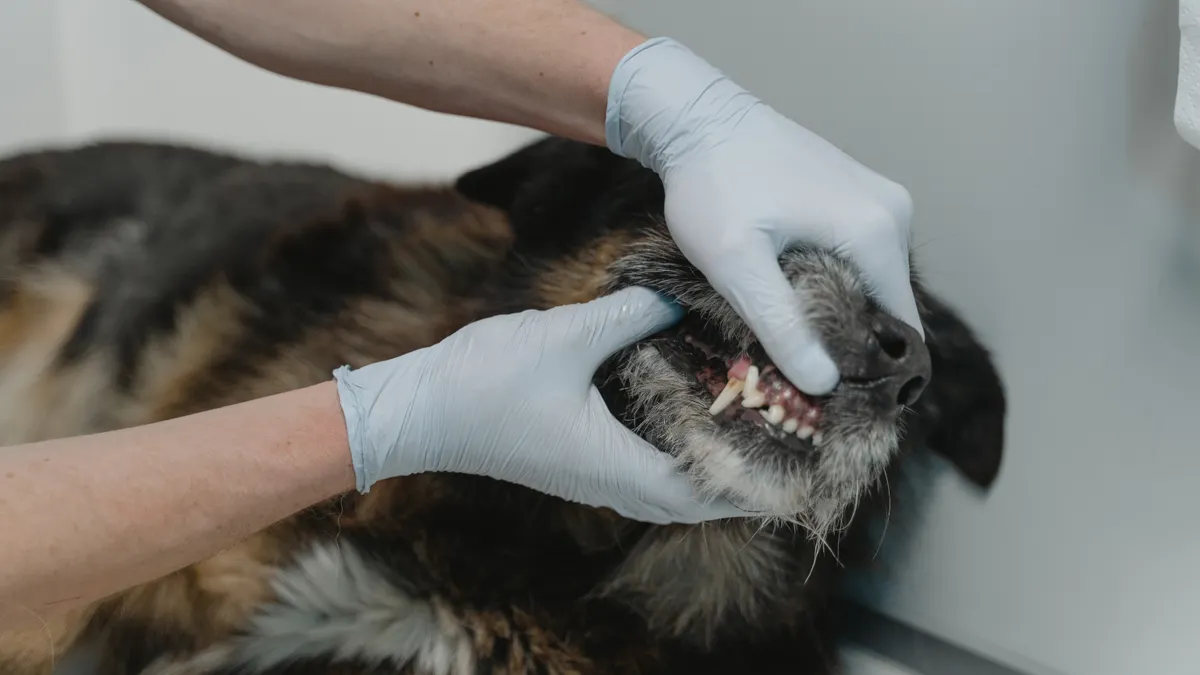
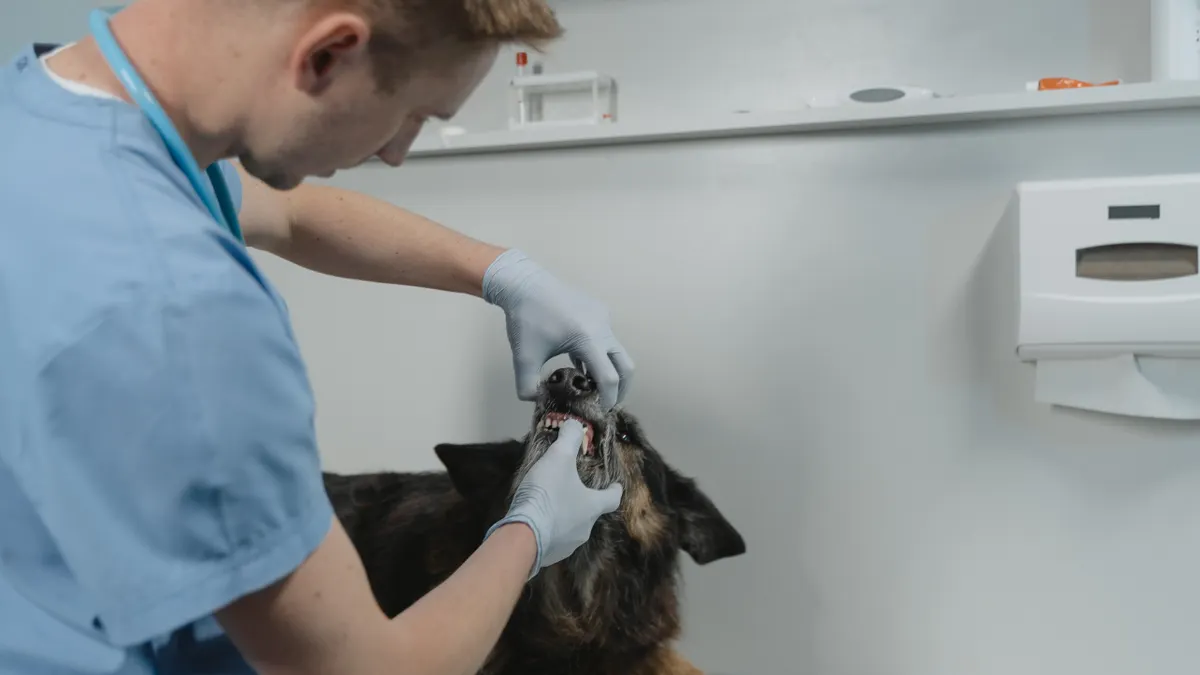
The claim usually starts with the veterinarian documenting the fracture, taking an oral x-ray, and deciding whether the tooth can be repaired, monitored, or extracted. That record is the backbone of the reimbursement decision, because broken teeth can look similar on the surface while hiding very different root problems underneath. AVMA guidance on dental care also supports early veterinary assessment and imaging when dental disease or injury is suspected. (Source: AVMA)
-
Get the pet examined the same day or as soon as possible.
Ask the veterinarian to inspect the tooth, the gum line, and the mouth under light or sedation if needed. A fracture can extend below the visible crown by several millimeters. If the vet cannot assess the mouth clearly, the claim file may lack the detail that separates trauma from old dental disease. -
Make sure the vet records how the injury happened.
Give a short, factual account: chew toy, fall, fight, hard object, or unknown event. The record should include the suspected trigger, because a sudden incident supports trauma while a long-standing issue points toward disease. If the history is vague, the insurer may have less basis to classify it as accidental damage. -
Ask for oral x-rays when the tooth is fractured.
Oral x-rays show the root, the surrounding bone, and changes below the gum line. A broken crown can hide root exposure, root fracture, or infection. If no x-ray is taken, it is harder to show that the injury was acute or severe enough to justify treatment rather than routine monitoring; a veterinarian can advise whether imaging is needed. -
Confirm whether the pulp is exposed.
The pulp is the inner tissue that contains nerves and blood vessels. Exposure usually means the tooth is at high risk of pain and infection. If the vet notes pulp exposure, the claim file should say so clearly, because that can support treatment as injury-related rather than cosmetic. -
Ask whether the tooth is repairable or requires extraction.
A repairable tooth may be managed differently from one with a vertical fracture, deep root involvement, or advanced infection. Insurers often separate trauma care from dental replacement or routine extraction, so the clinical decision affects the claim category. The treatment plan should state why the chosen option was necessary. -
Collect itemized records before you submit the claim.
You usually need the exam notes, x-ray report, treatment estimate, and invoice. An itemized bill helps show which part of the visit was evaluation, which part was imaging, and which part was treatment. If the invoice is too generic, the claim reviewer may ask for more detail or delay the decision. -
Check the policy wording for dental trauma and exclusions.
Look for terms such as accident, injury, dental trauma, periodontal disease, congenital conditions, and pre-existing conditions. Those words control the claim more than the pet’s symptoms do. If the policy excludes dental disease but covers accident-related injury, the same broken tooth can be reimbursable in one case and excluded in another. -
Submit the claim quickly and keep copies of everything.
Many insurers have deadlines for filing claims, and some require submission within a set period after treatment. Even when there is no strict deadline, a prompt filing tends to be cleaner because the event is fresh in the medical record. If you wait too long, the insurer may question the timeline.
The point of this process is not to make the injury look worse than it is. It is to make the cause, severity, and treatment legible to the insurer. A good claim file reads like a veterinary record, not a personal explanation.
Why trauma, disease, and routine dental work are treated differently
The insurer is not just asking, “Is there a broken tooth?” It is asking, “What caused this broken tooth, and does the plan cover that cause?” That is why the same visible crack can move through different claim paths.
Trauma usually means a sudden event. A dog that lands awkwardly, collides with a hard surface, or chips a tooth on a bone-like object may have a clear injury event. Disease is different. Periodontal disease can weaken the tooth and the surrounding bone until the tooth fractures with little force. In that case, the visible break may be the final stage of an existing dental problem rather than a new accident.
Routine dental work is another category entirely. Cleaning, polishing, and preventive dental care are often handled under separate rules, and many standard pet insurance plans do not cover routine care unless a wellness add-on or specific dental benefit is in place. That matters because a tooth discovered during a cleaning may be treated as an existing dental issue rather than a sudden injury.
The vet’s terminology matters too. A note saying “fractured upper canine with suspected trauma” is more useful than “dental issue.” An oral x-ray showing no prior bone loss can strengthen the trauma argument. By contrast, x-ray evidence of advanced periodontal disease can shift the review toward exclusion. The insurer may also look at age, breed tendencies, and prior dental notes, because some breeds are more prone to dental crowding or wear. For general policy context, the NAIC consumer guide explains how exclusions and waiting periods affect claims.
One common mistake is assuming that any emergency visit makes the dental claim payable. That is not true. Emergency status and coverage status are separate questions. A painful broken tooth may need immediate care, but the plan may still exclude it if the cause falls under dental disease or a waiting period. Consumer guidance from the CFPB on insurance records is useful when you are gathering documentation for a disputed claim.
What to do if the tooth is cracked, exposed, or loose
If the tooth is cracked, exposed at the root, or loose, the next step is veterinary assessment, not guessing from the surface damage. A visible chip is often less serious than it looks, but a small break can hide a major root injury below the gum line.
- Visible chip or enamel fracture: This can be minor, but it still needs an exam if there is bleeding, pain, or a sharp edge. The veterinarian may document it and monitor it. If the fracture reaches deeper layers, the treatment category changes.
- Root exposure: This usually means the tooth is no longer sealed and may be vulnerable to infection. It often requires imaging and a treatment decision, not just observation.
- Loose tooth after impact: Mobility can signal root damage or bone loss. That should be assessed promptly because a loose tooth may indicate a more serious injury than the crown suggests.
If the injury is from a hard chew, antler, bone, rock, or other dense object, tell the veterinarian exactly what the pet was chewing. That detail helps identify trauma and may explain the fracture pattern. If the pet is in pain, drooling, pawing at the face, or refusing food, the mouth should be examined quickly, because those signs often mean the injury is more than cosmetic.
A good result is not always “the tooth is saved.” Sometimes the better outcome is that the problem is identified early enough for extraction before infection spreads. In that case, the insurance question becomes whether the treatment falls under the policy’s covered injury rules.
When the standard answer does not apply
The standard answer does not apply when the tooth problem is not a clean accident case or when the policy has unusual exclusions. In those situations, the claim review can change fast.
Pre-existing dental disease is in the record: This usually means the tooth was already compromised — the insurer may exclude the claim or treat it as disease-related, so the veterinary notes should be reviewed before filing.
The fracture happened during routine dental care: This may be handled as a procedural complication rather than trauma — the treatment may fall under a different section of the policy, or it may be excluded.
The pet is still in a waiting period: This often means the policy is not yet active for that condition — the claim may be denied even if the injury looks sudden.
The policy excludes dental trauma or only covers accidents with a separate limit: This can cap or remove reimbursement — the exact policy language controls the outcome.
The tooth is a baby tooth or an abnormal tooth: Some congenital or developmental conditions are treated differently — the insurer may consider the tooth’s underlying condition rather than the fracture alone.
There is no oral x-ray or dental record: This makes it harder to prove severity and cause — the insurer may request more evidence or decline the claim.
These are the cases where the generic answer “yes, sometimes” is not enough. The documents determine the result. If the wording is unclear, the insurer and the veterinarian should both be asked how they are classifying the injury before the bill grows.
The mistakes that hurt claims
The biggest mistake is waiting for the tooth to “settle down” before seeing a veterinarian. Broken tooth treatment is easier to document early, and delays can blur the timeline. If the record shows that the pet waited several days with bleeding, pain, or swelling, the insurer may question why the injury was not treated promptly.
A second mistake is skipping oral x-rays because the tooth “looks obvious.” The surface crack is only part of the picture. Without imaging, root exposure, root fracture, or infection can be missed, and the claim file becomes weaker.
A third mistake is describing every dental problem as an accident. If the vet’s notes show tartar, gum recession, or long-term wear, the claim can be reclassified. The alternative is simple: give an accurate history and let the veterinary record do the work.
A fourth mistake is submitting a bill with no breakdown of services. An itemized invoice tells the reviewer which part was the exam, which part was imaging, and which part was treatment. The better alternative is an itemized invoice with the exam, x-rays, treatment, medication, and any extraction listed separately.
A fifth mistake is assuming all plans treat broken teeth the same way. They do not. Some plans are stricter about dental exclusions, and some only cover trauma in limited circumstances. Before the claim is filed, the policy wording should be checked for accident coverage, dental exclusions, and pre-existing condition rules.
A sixth mistake is waiting until after treatment to ask whether the tooth problem is covered. By then, the medical record is already written. The better approach is to ask the clinic to document cause, findings, and diagnosis clearly from the start.
The bottom line on broken tooth treatment
Broken tooth treatment may be covered when the injury is tied to a covered accident and the policy includes dental trauma, but it is often treated differently from disease and routine dental work. The result depends on what the veterinarian finds, whether oral x-rays support trauma, and how the policy defines exclusions.
That is why the practical answer is not a simple yes or no. If the tooth fracture came from trauma, was documented promptly, and the plan covers accidental dental injury, the claim has a reasonable path. If the tooth was already weakened by disease, or the policy excludes dental problems, the answer can change completely.
Are broken teeth covered by pet insurance?
Sometimes, yes. A broken tooth is more likely to be covered when it comes from a sudden injury and the policy includes dental trauma or accident cover. If the fracture is linked to dental disease, wear, or a pre-existing problem, it is more likely to be excluded.
Does accident coverage include dental trauma?
It often does, but not always in the same way across plans. Some policies treat dental trauma as an accident benefit; others limit dental claims, exclude certain teeth, or require proof from a veterinarian and oral x-ray. The policy wording matters more than the label on the injury.
Drafted with AI; not yet reviewed by a person.