Last updated: November 19, 2026
Quick answer: pet insurance often covers foreign body removal surgery when the swallowing incident becomes a covered illness or emergency and the policy was active before the problem started. Coverage usually depends on the policy wording, waiting periods, and whether the insurer treats the event as a covered medical condition rather than a pre-existing one. Check the policy and, if needed, ask the insurer or your vet to confirm how the claim is likely to be classified.
Key Takeaways
- In claim language, insurers may classify the event as foreign body ingestion, intestinal obstruction, or blockage, depending on where the object is stuck.
- Pet insurance often covers foreign object removal surgery, but not automatically and not under every policy.
- The diagnosis sequence often drives the claim more than the surgery itself.
- Most policies have a waiting period of days or weeks before illness coverage begins, and some have different waiting periods for accidents.
This guide is for a pet owner trying to figure out whether an intestinal blockage, endoscopy, x-ray workup, or exploratory surgery will be reimbursed. It assumes you already know the pet may have swallowed something and want to understand how the claim is usually handled. This is information, not financial advice; a qualified adviser should be consulted for your own situation.
What “foreign body removal surgery” means in a claim
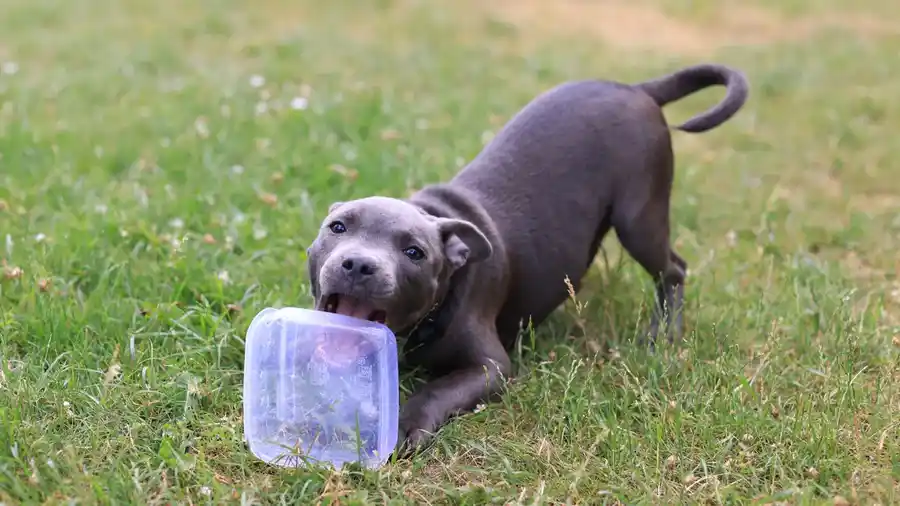
Foreign body removal surgery is the procedure used to take out something a pet should not have swallowed, such as a toy piece, fabric, bone fragment, sock, corn cob, or other lodged object. In claim language, insurers may treat the event as a foreign body ingestion, intestinal obstruction, or intestinal blockage, depending on where the object is stuck and what treatment was needed. For claim purposes, that label matters because it can affect whether the event is treated as an accident, illness, or emergency.
That distinction matters because the same case can start with a vet exam and end with one of several different paths. A vet might order an x-ray, then an ultrasound, then decide the object is not passing and recommend endoscopy or exploratory surgery. The bill can include the diagnostics, the anesthesia, the procedure itself, and post-surgical monitoring over 12 to 48 hours or longer if complications show up. According to the Merck Veterinary Manual, obstruction workups often rely on imaging before a treatment decision is made.
Coverage is usually most likely when the policy was in force before the swallowing episode, the condition is not pre-existing, and the plan covers accidents and illnesses in a way that includes obstruction treatment. Some policies define gastrointestinal obstruction as a covered illness; others handle it under emergency surgery. A policy may still deny part of the claim if the waiting period has not expired or if the object was swallowed before coverage began. If the timeline is unclear, ask the insurer or your vet to review the record before filing.
Does pet insurance cover foreign object removal surgery?
Pet insurance often does cover foreign object removal surgery, but not automatically and not under every policy. The real question is whether the insurer classifies the case as a covered condition and whether the medical events that led to surgery were eligible under the policy terms. The answer can turn on a few dates, a few notes, and the policy wording.
A common misunderstanding is that “accident coverage” alone always pays for ingestion cases. That is not reliable. Swallowing a sock is not the same thing as a car accident, and some insurers treat the issue as an illness-related intestinal obstruction rather than a trauma claim. Others cover it under emergency treatment if the policy includes both accident and illness benefits. The exact contract language controls the result, so check the wording or ask the insurer to explain it.
A second issue is timing. If a pet started vomiting, stopped eating, or showed abdominal pain before the policy’s waiting period ended, the insurer may treat the obstruction as pre-existing or excluded. If the pet had prior digestive signs, repeated stomach upset, or a documented history of swallowing things before enrollment, the claim can become harder to defend. In many policies, the first exam date and the diagnostic findings matter as much as the surgery date. A vet note dated before coverage can be the difference between approval and denial.
The third issue is what the insurer counts as part of the surgery episode. Some plans reimburse the x-ray, ultrasound, bloodwork, anesthesia, hospitalization, and follow-up medications when they are tied to the same covered event. Others may pay only the operative procedure, leaving diagnostics or monitoring subject to different limits or deductibles. A reader should not assume the whole chain is treated the same way. Ask the insurer how it handles each line item.
For a broader framework on emergency claims, the hub on pet insurance emergency coverage is the right place to compare how this kind of event fits into a larger policy. See also the guide on pet insurance waiting periods and the page on pet insurance exclusions for the most common claim barriers.
How the diagnosis usually leads to a claim
The diagnosis sequence often drives the claim more than the surgery itself. A vet does not usually jump straight to exploratory surgery unless the pet is unstable or imaging shows a clear obstruction. The usual path is a physical exam, then diagnostics, then a decision on whether the object can pass, be removed endoscopically, or requires surgery.
An x-ray can show gas patterns, a visible object, or signs of obstruction, but not every swallowed item is radiopaque. A sock or soft toy may not show clearly. That is where ultrasound can help, because it can detect abnormal bowel movement, intestinal distention, or fluid buildup. If the object is in the stomach or upper intestine and accessible, endoscopy may remove it without opening the abdomen. If the object is deep in the intestines, causing a complete blockage, exploratory surgery is more likely. The American College of Veterinary Surgeons notes that the treatment path depends on the location and severity of the obstruction.
From an insurance standpoint, this diagnostic trail matters because each step must be medically necessary and tied to the same event. A plan may reimburse the x-ray and ultrasound because they were used to confirm an intestinal blockage before surgery. It may also cover the endoscopy if it was the treatment method chosen to remove the object. If the vet had to switch to exploratory surgery after endoscopy failed, that sequence can still be covered if the policy does not exclude it. The diagnosis and the timeline are often more important than the label on the invoice.
What should be saved for the claim file is the vet record, the imaging reports, the surgical notes, the anesthesia sheet, and the discharge summary. Those documents show that the procedure was not elective and that the obstruction was real. If a claim later gets reviewed, the insurer will often ask exactly what was seen on imaging and why the vet moved from diagnostics to surgery. Keep the records together so the claim reads as one clinical story.
What to check before filing a claim
Check the policy start date, the waiting period, the deductible structure, and the section that defines covered surgery. Most policies have a waiting period of days or weeks before illness coverage begins, and some have different waiting periods for accidents. If the swallowing event happened before the waiting period ended, the claim may fail even if the surgery itself happened later. A date mismatch of even a few days can matter.
Check whether the policy covers diagnostics tied to a covered condition. An x-ray or ultrasound for abdominal pain is not automatically reimbursed just because surgery later happened. The insurer usually wants the diagnostics to be medically necessary, not routine screening. If the pet had repeat vomiting or suspected obstruction, the records should say so clearly. The vet note should connect the test to the suspected blockage.
Check whether the policy excludes repeat or chronic gastrointestinal problems. A one-time foreign body removal is different from a pet with a long history of eating socks, rocks, or toys. If earlier vet notes mention the same pattern, the insurer may argue the condition is not new. That is especially relevant if the pet had prior vomiting episodes within the last 6 to 12 months. Prior notes from the vet can change the claim outcome.
Check the reimbursement model. Many policies reimburse a percentage of eligible costs after the deductible, but the percentage and annual limit vary by plan and by country. Those terms change, and they are not universal. The best way to avoid surprises is to ask the insurer how it classifies foreign body removal, intestinal obstruction, endoscopy, and exploratory surgery before the claim is finalized. For a comparison of plan structures, see the guide to pet insurance reimbursement.
Two external sources that help frame the medical side are the American College of Veterinary Surgeons and the Merck Veterinary Manual, both of which explain obstruction, imaging, and surgical decision-making in plain clinical terms. The AVMA also has consumer guidance on pet health emergencies that can help you understand when urgent treatment is needed.
When the standard coverage assumption does not apply
Standard coverage assumptions break down when the case is not a clean, new obstruction. In those situations, the claim outcome often changes because the policy sees the event differently.
Pre-existing vomiting or abdominal pain: this can make the obstruction look like an ongoing condition — the insurer may deny the claim or treat it as related to prior signs. The fix is the medical record trail, not a verbal explanation after the fact.
The swallowing event happened during a waiting period: the policy may not respond yet — the claim can be excluded even if the surgery was urgent. The result is usually no reimbursement for the episode tied to that waiting period.
The object was swallowed before coverage began: the case may be classified as pre-existing — later surgery does not necessarily change that. A prior veterinary note can be enough to tie the problem back to before enrollment.
The vet bills the procedure as a complication of a pre-existing digestive disorder: the insurer may follow that classification — the claim can be reduced or denied. The medical coding and discharge summary become critical here.
The plan excludes certain diagnostics or alternative treatment paths: x-ray, ultrasound, or endoscopy may be covered differently from surgery — the claim may pay only part of the episode. The correction is to review the policy wording line by line before assuming full reimbursement.
The case involved a preventive procedure, not an obstruction: if there was no confirmed foreign body and no medical necessity, the claim may not qualify — the insurer can reject it as non-covered care. A confirmed diagnosis is usually the dividing line.
Common mistakes that make claims harder
One mistake is assuming every swallowed object becomes a covered surgery claim. The consequence is a nasty surprise when the insurer asks for proof of obstruction. The better approach is to confirm how the policy defines the event before the claim is submitted.
Another mistake is waiting to gather records until after the invoice is paid and the file is closed. The consequence is missing imaging reports or surgical notes that support medical necessity. The better approach is to request the full record set from the clinic, including x-ray or ultrasound findings and discharge instructions.
A third mistake is using broad language like “stomach issue” instead of the specific diagnosis. The consequence is that the claim can be routed as a nonspecific digestive complaint rather than a foreign body or intestinal blockage case. The better approach is to use the exact terms the vet used, such as foreign body ingestion, intestinal obstruction, or exploratory surgery.
A fourth mistake is overlooking that endoscopy and exploratory surgery are different procedures. The consequence is confusion about what was actually done and why one was chosen over the other. The better approach is to match the claim form to the operative report.
A fifth mistake is ignoring prior vet notes. The consequence is a pre-existing condition dispute when older records mention vomiting, eating toys, or repeated abdominal signs. The better approach is to review the pet’s recent record history before filing.
What changes with endoscopy, imaging, or a full abdominal surgery?
The coverage logic changes based on how invasive the treatment was, but the policy still governs the outcome. Endoscopy is often less invasive than exploratory surgery, because the vet uses a scope through the mouth and stomach rather than opening the abdomen. If the object is reachable, endoscopy may resolve the case in a shorter anesthesia window, sometimes under 1 to 2 hours, though the exact time depends on the pet and the object. That shorter time does not guarantee coverage, but it can affect the procedure code.
Imaging can be covered when it is part of confirming the blockage. X-ray and ultrasound are often the first proof that a swallowed object is causing a problem. If the veterinarian needs both to reach a diagnosis, the insurer may look at them as part of one episode of care, but not every plan treats them identically. The record should show why each test was ordered.
Exploratory surgery is usually the fallback when the object cannot be removed safely by scope or when the intestines are compromised. That is the scenario most people mean when they say “foreign body removal surgery.” A claim for that procedure often includes abdominal surgery, anesthesia, hospital monitoring, pain medication, and follow-up visits. If there was bowel damage, the recovery may be longer and the record more detailed, which can help show why surgery was required. More detail can also help the insurer see why the case was urgent.
This is the point where a policy review matters more than assumptions. A generic promise that “surgery is covered” tells you very little. The useful question is whether the plan pays for a medically necessary intestinal obstruction workup and the procedure that followed, including imaging and monitoring. If you are unsure, ask the insurer before the claim is finalized.
What good claim documentation looks like
A strong file usually has five pieces: the vet exam note, the imaging report, the treatment recommendation, the surgical note, and the discharge summary. Those documents should show the timeline from symptoms to diagnosis to removal. If the vet recommended surgery after an x-ray or ultrasound showed obstruction, that sequence should be visible in writing. The more specific the dates, the easier the claim is to review.
The record should also identify the object if it was found, the location of the blockage, and whether the pet had complications such as dehydration, bowel irritation, or delayed passage. Those details matter because they show medical necessity. A claim with only an invoice is weak; a claim with clinical notes is much easier to assess. The insurer can usually see the clinical path in a way the bill alone cannot.
If the insurer requests more, ask the clinic for the anesthesia record and any pathology or follow-up notes. That is especially useful when the procedure involved several stages, such as initial imaging, attempted endoscopy, then exploratory surgery. The stronger the paper trail, the less room there is for a misunderstanding about what was treated and why. A complete file can shorten back-and-forth with the claims team.
FAQ
Is swallowing a toy covered by pet insurance?
Usually, yes, if the policy was active before the incident and the swallowing event leads to a covered medical problem. The insurer will still look for proof of a foreign body, intestinal obstruction, or another diagnosis that required treatment. A toy swallowed before coverage began is much harder to claim. The exact answer depends on the policy and the record.
Does pet insurance cover blockage surgery?
Often it does, if the blockage is caused by a covered foreign body event and the policy does not exclude the condition. The claim usually depends on whether the blockage was confirmed by x-ray, ultrasound, endoscopy, or surgery and whether any waiting period had already passed. Policy wording varies by insurer and country. Ask your insurer how it classifies blockage surgery before you submit the claim.
Are imaging tests before surgery covered?
Sometimes. X-ray and ultrasound are often covered when they are medically necessary to diagnose the blockage or decide whether surgery is needed. The insurer may reject imaging if it is treated as unrelated screening or if the overall event is excluded. The vet record should show why the tests were ordered.
Drafted with AI; not yet reviewed by a person.