Last updated: November 19, 2026
Quick answer: yes, pet insurance can cover a tooth extraction, but only when the extraction is tied to a covered medical problem and your policy’s dental language allows it. A routine cleaning is different, and so is emergency dental care after an accident.
Key Takeaways
- A medical reason is more likely to trigger coverage than a cosmetic or routine dental procedure.
- Pet insurance may cover extractions, but the cause and policy wording decide the claim.
- Coverage turns on the diagnosis behind the extraction, not the procedure alone.
- Even necessary extractions can be denied if the dental disease is excluded or pre-existing.
A veterinarian or qualified adviser should confirm how your own plan treats tooth extraction, waiting periods, and claim limits. Pet insurance terms vary by country, insurer, and policy form, and official policy wording controls the result.
What a tooth extraction claim usually needs to show
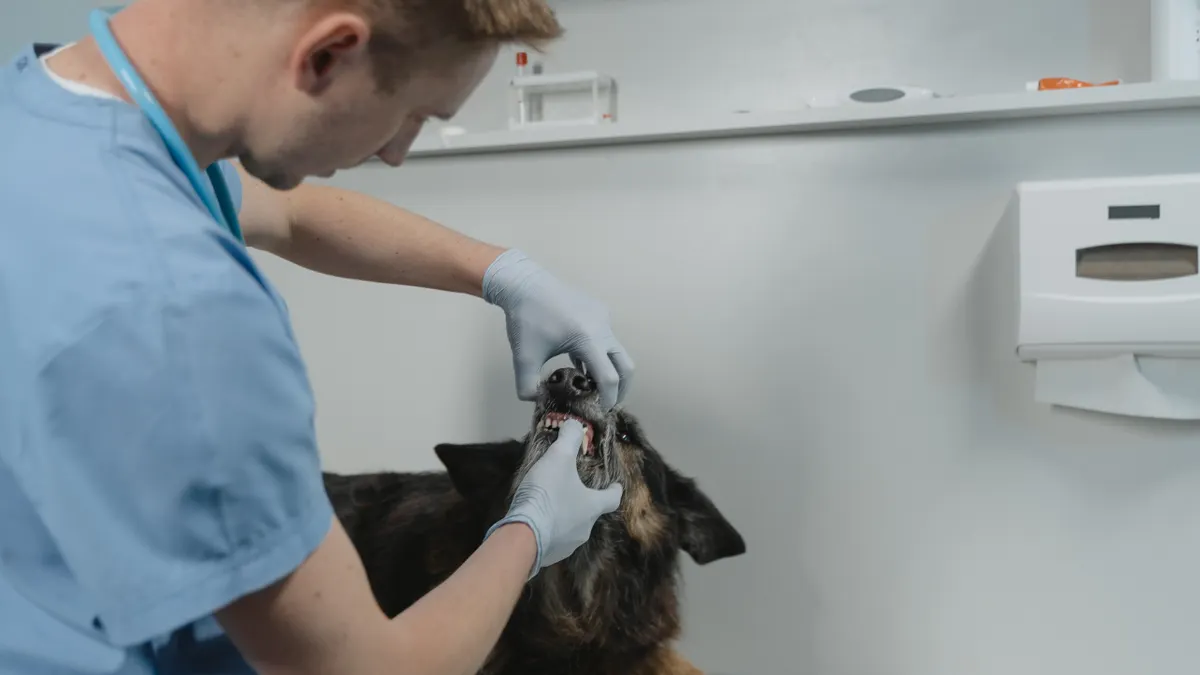
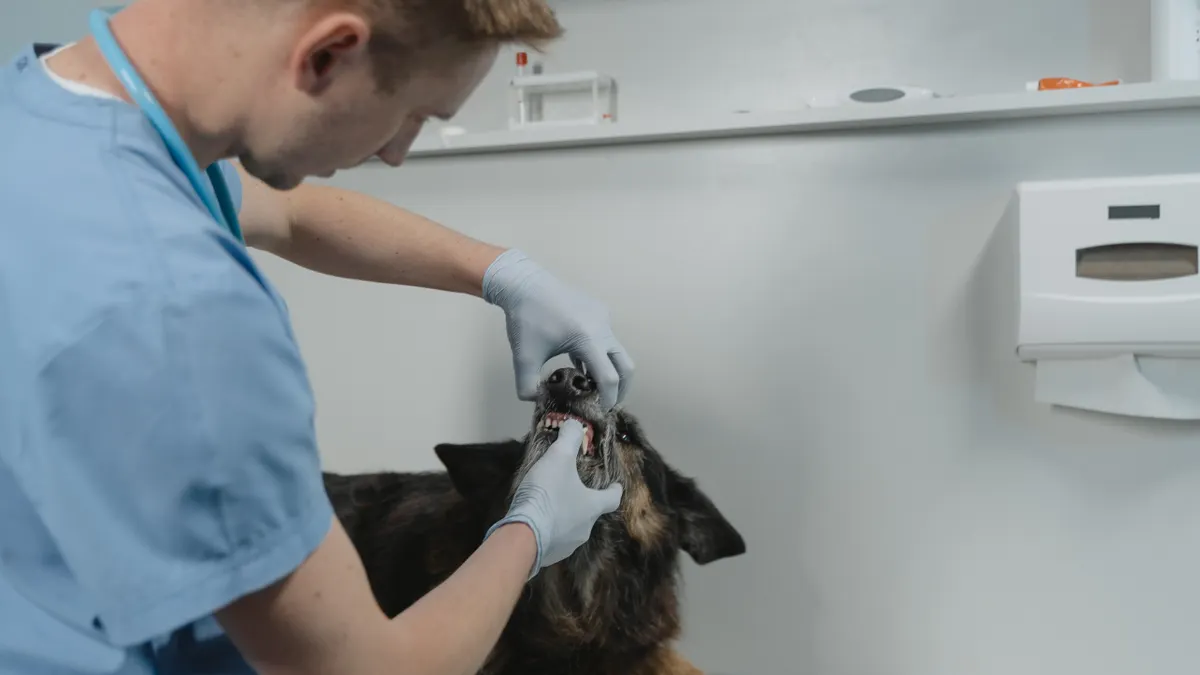
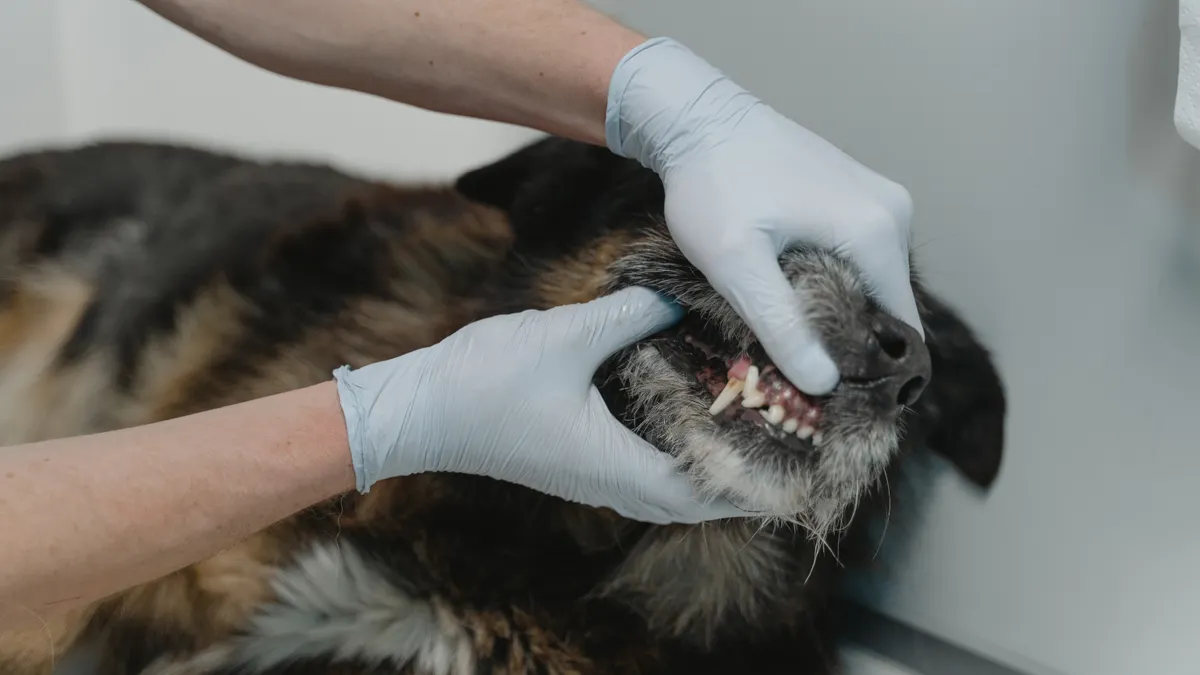
A tooth extraction is more likely to be covered when the record shows a medical reason, not a cosmetic or routine one. That usually means the insurer sees a diagnosis such as fractured tooth, advanced periodontal disease, infected teeth, or oral trauma, plus a veterinarian’s treatment notes and an itemized invoice. AVMA guidance on dental disease and ACVS guidance on oral surgery both show why the diagnosis matters.
This applies to a cat or dog whose policy is already in force, who has passed any waiting period, and who has not run into a pre-existing condition exclusion. It also assumes the vet has diagnosed a problem that may need oral surgery, sedation, or both. ASPCA guidance notes that dental disease is common in pets, with signs often appearing by age 3.
The hard part is that “dental” in insurance is not one bucket. Some plans separate routine dental care from medically necessary treatment. A policy may cover extraction of a damaged premolar after a fracture, yet exclude routine cleaning or work linked to periodontal disease if that disease was noted before coverage started. The same bill can contain covered and non-covered items, such as exam fees, anesthesia, pre-anesthetic bloodwork, imaging, medication, and the extraction itself.
A useful rule of thumb: if the tooth had to come out because keeping it would leave pain, infection, or another clear medical problem, the claim has a better chance than if the procedure was preventive or elective. That is not a guarantee. It is a way to read the policy language before the bill lands.
For a broader map of how policies treat dental care, the hub page on pet dental insurance is the better starting point. This page stays with one question: when a tooth extraction is the bill, does insurance help pay it?
Does pet insurance cover tooth extractions?
Pet insurance sometimes covers tooth extractions, but coverage depends on the cause of the extraction and the policy wording. If the extraction is medically necessary because of a fractured tooth, infected tooth, or advanced periodontal disease, many accident-and-illness policies may consider it claimable. If the extraction is linked to a pre-existing condition, routine dental disease, or a policy exclusion, coverage can be denied.
The cleanest way to think about it is by cause:
- Fractured teeth: A break from chewing, trauma, or an accident may be covered if the plan covers dental injury and the condition is not pre-existing.
- Infected teeth: Infection can be covered when it is a diagnosed medical problem and the policy includes dental illness treatment.
- Advanced periodontal disease: Some insurers treat this as medical disease; others restrict or exclude it, especially if there were earlier signs before enrollment.
- Oral surgery: An extraction performed as part of oral surgery may be covered on the same terms as the underlying diagnosis, not because “surgery” is automatically covered.
The phrase “tooth extraction” matters less than the medical record around it. Insurers usually want to know why the tooth was extracted, what diagnostics were performed, and whether the problem existed before the policy started. A veterinarian may note mobility grade, root damage, radiographs, gingival recession, abscess, or resorptive lesions. Those details can make the difference between a payable claim and a denial.
A practical example helps. If a dog cracks a canine tooth while chewing and the vet recommends extraction after radiographs and sedation, that looks like a medical event. If a cat has long-standing periodontal disease documented before enrollment and later needs multiple extractions, the insurer may treat it as pre-existing or excluded dental disease. The diagnosis date matters as much as the procedure date.
The answer, then, is not “yes” or “no” in the abstract. It is “yes, sometimes, if the plan covers the underlying cause and the condition is not excluded.”
Why the cause of the extraction changes the claim
The cause of the extraction changes the claim because pet insurance is written around covered events, not around procedures in isolation. A tooth extraction is a treatment step. The diagnosis that led to it usually decides whether the bill belongs in the covered column.
One reason this trips people up is that veterinary dentistry uses terms that sound similar but behave differently in claims review. Periodontal disease means disease of the tissues that support the tooth, including the gums and bone around the root. It is common in dogs and cats, but insurance treatment varies widely. Oral surgery refers to surgery in the mouth, which may include extractions, jaw repair, or other procedures. Sedation means medication used to calm or immobilize the pet; it is often needed for dental radiographs and extraction, but it is not a separate reason for coverage.
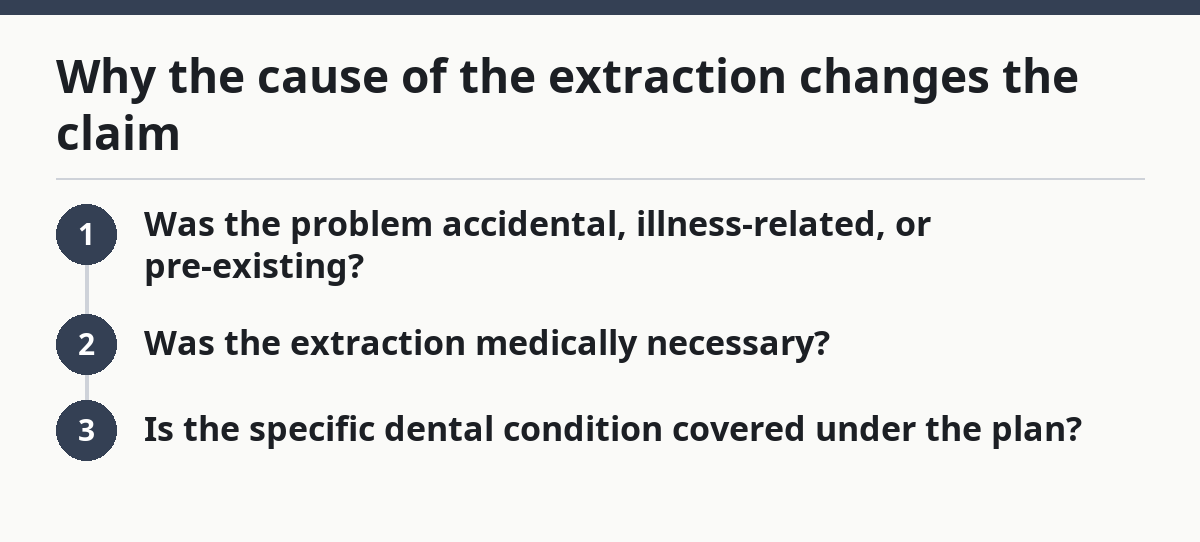
Insurers often focus on three questions:
- Was the problem accidental, illness-related, or pre-existing?
- Was the extraction medically necessary?
- Is the specific dental condition covered under the plan?
Those questions matter because a plan may cover one category and not another. An accident policy can look very different from an accident-and-illness policy. A wellness add-on can change what happens with cleanings or exams, but that is not the same as extraction coverage. This is where many owners misread the brochure and assume “dental coverage” means all dental care.
Pre-anesthetic bloodwork is another detail that can affect the claim. Some vets recommend it before sedation or oral surgery, especially in older pets or pets with systemic disease. The bloodwork may be medically sensible, but the insurer may only reimburse it when it is part of treatment for a covered condition. If the underlying tooth problem is excluded, the bloodwork may be excluded too.
The documents that usually matter most are the dental chart, radiographs, diagnosis, itemized invoice, and notes showing why less invasive treatment was not appropriate. If the policy asks for prior dental records, provide them. Missing records can turn an otherwise plausible claim into a delay.
What to check before you file the claim
Check the policy language for dental exclusions, waiting periods, and any requirement that the pet must have had a recent exam. A claim can fail even when the extraction was medically necessary if the policy excludes that type of dental disease or treats it as pre-existing. The American Veterinary Medical Association says policy wording is the key issue.
Start with the declarations page and then the exclusions and coverage sections. Look for wording about dental disease, teeth and gums, oral surgery, accidents, illness, pre-existing conditions, congenital defects, and any separate dental benefit. If the policy is from a different country, the labels may differ, but the same idea applies: find the section that says what counts, what does not, and when coverage starts.
Then check the veterinary record. The insurer usually wants:
- the diagnosis for the tooth;
- the date the problem was first noted;
- radiographs or chart notes;
- the treatment plan;
- the invoice with each line item separated.
This is especially important when the bill includes anesthesia, pre-anesthetic bloodwork, antibiotics, pain medication, extractions, and follow-up visits. Some of those items may be payable while others are not. Without line-item detail, the claim is harder to sort.
One more thing to verify is whether the issue was documented before coverage. If a tooth was chipped, loose, infected, or painful before the policy’s effective date, the insurer may classify it as pre-existing. Even if the extraction happens later, the earlier record can control the decision. That is the detail most owners wish they had checked before the procedure.
If the procedure is not yet done, ask the veterinarian’s office for the likely billing structure. A single estimate with a lump sum helps for budgeting, but a claim is easier to process when the invoice separates diagnostics, sedation, oral surgery, and medication.
How a tooth extraction claim is usually handled
A tooth extraction claim is usually handled by collecting the veterinary records, submitting the invoice, and letting the insurer decide whether the diagnosis fits the policy. It is straightforward in theory and often slow in practice if the paperwork is thin.
- Ask for the diagnosis in writing: Get the exact dental diagnosis, such as fractured tooth or advanced periodontal disease, and verify it is specific enough to match the policy language. A vague note like “dental issue” is a problem because it leaves the insurer guessing.
- Request dental radiographs or chart notes: Confirm the vet has evidence of root damage, infection, bone loss, or tooth resorption if those findings drove the extraction. If the chart has no objective finding, the insurer may question medical necessity.
- Get the estimate before the procedure if possible: Review whether the estimate separates exam, sedation, pre-anesthetic bloodwork, oral surgery, extraction, and medication. If everything is bundled into one line, it is harder to see what the insurer may reimburse.
- Check the policy for waiting periods and exclusions: Verify the dental waiting period, if any, has passed and that the tooth problem was not noted before the start date. If the waiting period has not expired, the claim may be denied regardless of need.
- Pay attention to anesthesia and monitoring details: Many extractions require sedation or general anesthesia, plus monitoring and recovery care. If those services are documented as part of the procedure, they are more likely to be reviewed as part of the same claim rather than as separate unrelated charges.
- Submit the full claim packet: Include the invoice, medical record, estimate if asked for, and any prior dental history. A missing document can stall payment for weeks because the insurer has to request it later.
- Track the explanation of benefits: Compare what was reimbursed with what was denied and why. If one line item was excluded, verify whether the denial was for the tooth itself, the disease behind it, or a related service such as bloodwork.
- Appeal only with better evidence: If you challenge a denial, send new records, a clearer diagnosis, or a letter from the veterinarian explaining why the extraction was medically necessary. Repeating the original claim without added detail usually does not change the outcome.
A clean claim file is not a guarantee, but it gives the insurer less room to say the record is incomplete. That matters most when the bill is split across several services and the policy has different rules for each one.
When tooth extractions are usually the wrong kind of claim
A tooth extraction is usually the wrong kind of claim when the policy treats the dental problem as excluded, pre-existing, elective, or outside the accident-and-illness terms. In those situations, submitting a claim may still be worth it, but the owner should expect a denial unless the paperwork shows a different cause.
Pre-existing periodontal disease: If the chart shows gum disease before coverage began, the extraction may be excluded — ask the insurer how it defines pre-existing and whether a later flare-up changes that result.
Routine dental cleaning disguised as treatment: If the visit was mainly a cleaning with one minor extraction added on, the insurer may separate the services — submit only the covered portion if the policy allows it, and do not assume the whole bill is payable.
Purely cosmetic or elective extraction: If the tooth is removed for convenience rather than medical need, coverage is unlikely — ask the vet whether another treatment path was medically appropriate.
Waiting period still active: If the problem started inside the waiting period, the claim may fail even if the extraction happens later — the later date does not erase the earlier onset.
No diagnosis, only a procedure code: If the invoice shows extraction but not why it was done, the insurer may deny it for lack of medical necessity — request the diagnosis and radiographs before filing.
Owner-prompted early extraction without documented disease: If the tooth could have been monitored but was removed as a precaution, the insurer may see it as preventive care — ask the veterinarian to document the medical reason if one exists.
These are not moral failures. They are the lines insurers draw. A good decision is to read the policy against the diagnosis, not against the cost of the bill.
The mistakes people make with dental claims
People usually lose dental claims by assuming “dental” is one category, but insurers often split it into several. The cost is not just denial; it is time, paperwork, and sometimes a missed appeal window.
The first mistake is waiting until after treatment to read the exclusions. The consequence is a surprise denial after the bill is already due. The better move is to check the policy before oral surgery or extraction.
The second mistake is submitting a claim with a vague diagnosis. “Bad tooth” or “dental pain” does not show medical necessity. The better move is a chart note, radiographs, and a clear diagnosis such as fractured tooth or infected tooth.
The third mistake is assuming sedation and pre-anesthetic bloodwork are always covered. They may be part of a covered procedure, but they are not automatically covered on their own. The better move is to separate the line items and let the policy language decide each one.
The fourth mistake is ignoring prior records. If the tooth problem appears in records from before the effective date, the insurer may call it pre-existing. The better move is to review prior vet visits and disclose them honestly.
The fifth mistake is sending one invoice without supporting documents. A single page rarely tells the full story of oral surgery. The better move is to include the estimate, diagnosis, and any dental charting.
The sixth mistake is treating a denial as final without reading the reason code. Sometimes the denial is about one item, not the entire extraction. The better move is to read the explanation carefully and appeal only when the missing evidence can actually change the decision.
What changes in harder cases
Harder cases need tighter documentation, not bigger claims. The rule changes most when the tooth problem overlaps with accident injuries, chronic disease, or a long dental history. In those cases, the record has to show which part is new and which part was already present.
A fractured tooth after a fall is often easier to explain than a slowly worsening mouth condition. The same is true for an abscess that appears after a clear trauma. Documentation matters because insurers look for the cause, not just the extraction date. If radiographs show an injury, the claim is easier to align with accident coverage. If earlier records already show decay, inflammation, or periodontal changes, the insurer may classify the issue differently.
Owners also run into trouble when multiple teeth come out at once. One tooth may be covered, while another is not. That is why the chart and invoice need to be specific. A bulk dental bill can hide the difference between a covered injury and an excluded disease.
When the case is borderline, ask the veterinarian to note the medical necessity in plain language. A short letter can help if it explains why extraction was the right treatment and what would happen if the tooth stayed in place. The stronger the documentation, the less room there is for a coverage dispute.
Drafted with AI; not yet reviewed by a person.