Last updated: November 19, 2026
Quick Answer: pet insurance for emergency vet visits usually applies when the care is sudden, medically necessary, and not routine grooming, training, or a checkup. In pet insurance for emergency vet visits, what counts as an emergency is the situation the vet must triage right away — trouble breathing, uncontrolled bleeding, collapse, a seizure, or a major injury are the clearest examples.
Key Takeaways
- Emergency veterinary care is usually treatment that cannot safely wait, but confirm the definition with a vet or your insurer.
- Emergency vets handle life-threatening or fast-worsening problems; urgent care handles same-day but less severe cases.
- Claims are usually reviewed using the visit reason, clinical notes, and whether the problem was sudden, accidental, or urgent.
- Tell the clinic the problem in one sentence before arrival or at triage.
This guide is for a pet owner who already has a pet insurance plan or is trying to judge whether a future emergency room bill is likely to qualify under pet insurance for emergency vet visits. It assumes you know the basics of your own plan, but not the finer point of emergency veterinary care. This is information, not financial advice; pet insurance terms vary by country, by insurer, and by plan, so a qualified adviser or the insurer’s own documents should be used for your situation. For general consumer guidance, see the North American Pet Health Insurance Association and your insurer’s policy wording.
What counts as emergency veterinary care?
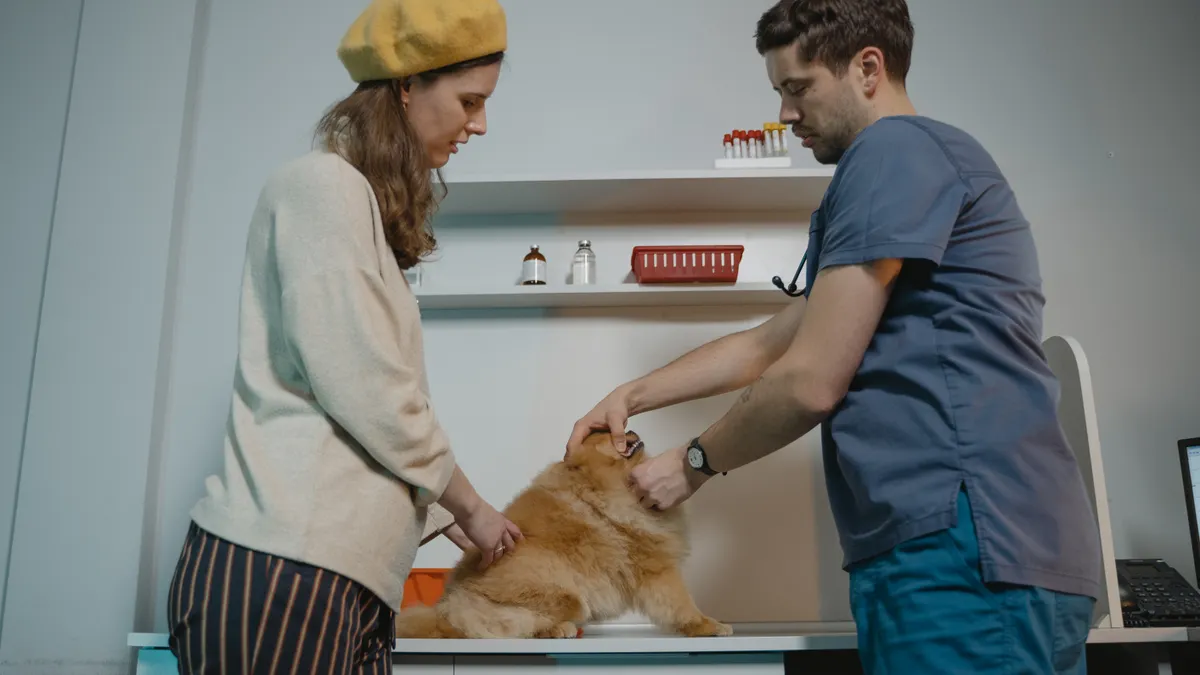
Emergency veterinary care usually means treatment that cannot safely wait for a regular appointment, but you should confirm the threshold with a veterinarian or insurer because plans vary. The cleanest way to think about it is this: if the pet needs immediate triage at an emergency vet or emergency hospital, the visit is far more likely to be treated as an emergency than a scheduled or next-day consult. In pet insurance for emergency vet visits, that timing often matters as much as the diagnosis.
A real emergency usually has one or more of these features:
- the pet cannot breathe normally
- the pet is bleeding and the bleeding does not stop
- the pet is unresponsive, collapsing, or having a seizure
- the pet may have eaten something toxic
- the pet has a sudden, severe injury, such as being hit by a car or a broken limb
- the pet is in obvious distress, with repeated vomiting, a swollen abdomen, or signs of shock
What does not usually count as an emergency is a problem that is uncomfortable but stable enough for a routine vet visit or an urgent care clinic with extended hours. A skin rash, an ear infection, mild limping without severe pain, or a chronic issue that has not suddenly changed often falls into that category. The timing matters as much as the diagnosis, and the safer step is to ask a vet if you are unsure.
The first bill item to watch is the vet exam fee. Emergency facilities often charge a triage or exam fee just to assess the pet, and that fee is commonly part of an emergency visit. Whether the plan pays anything for that fee depends on the policy terms, deductible, reimbursement rate, waiting period, and any exclusions for pre-existing conditions. The visit can be medically urgent and still not be reimbursable if the plan excludes the condition. For claim basics, see the pet insurance claims overview.
Emergency vet or urgent care clinic?
An emergency vet handles life-threatening or rapidly worsening problems; an urgent care clinic handles same-day but less severe problems that still need prompt attention. That difference matters because the setting can shape the billing and the treatment path, even if both locations are part of emergency veterinary care. According to the American Veterinary Medical Association, location alone does not decide urgency.
An emergency hospital is the right place when the pet needs stabilization care. Stabilization means the first goal is to keep the pet alive and prevent the condition from getting worse — oxygen, fluids, pain control, stopping bleeding, treating shock, or placing a catheter are common examples. In many cases, the clinic will stabilize first and worry about the final diagnosis later. That is a normal emergency workflow, and the Merck Veterinary Manual describes this approach in emergency care.
An urgent care clinic is better for problems that need attention within hours, but not necessarily overnight monitoring or immediate surgery. Think of a torn nail, a suspected minor foreign body that the pet is still passing food past, or a limp that appeared after play but where the pet is still bright, eating, and able to walk. Those cases still need a vet, but they are not always true emergency-room cases. If the pet is stable, urgent care or a regular vet may be enough.
Insurance language often follows medical reality rather than the building name alone. A visit to an urgent care clinic may be treated as emergency-adjacent if the care is for a sudden injury or acute illness. A visit to a 24-hour emergency hospital may still be treated as routine if the issue is non-urgent, such as medication refills or a chronic itch. The key question is not “Where did I go?” but “What was happening to the pet, and how quickly did it need treatment?”
How emergency visits are usually judged for coverage
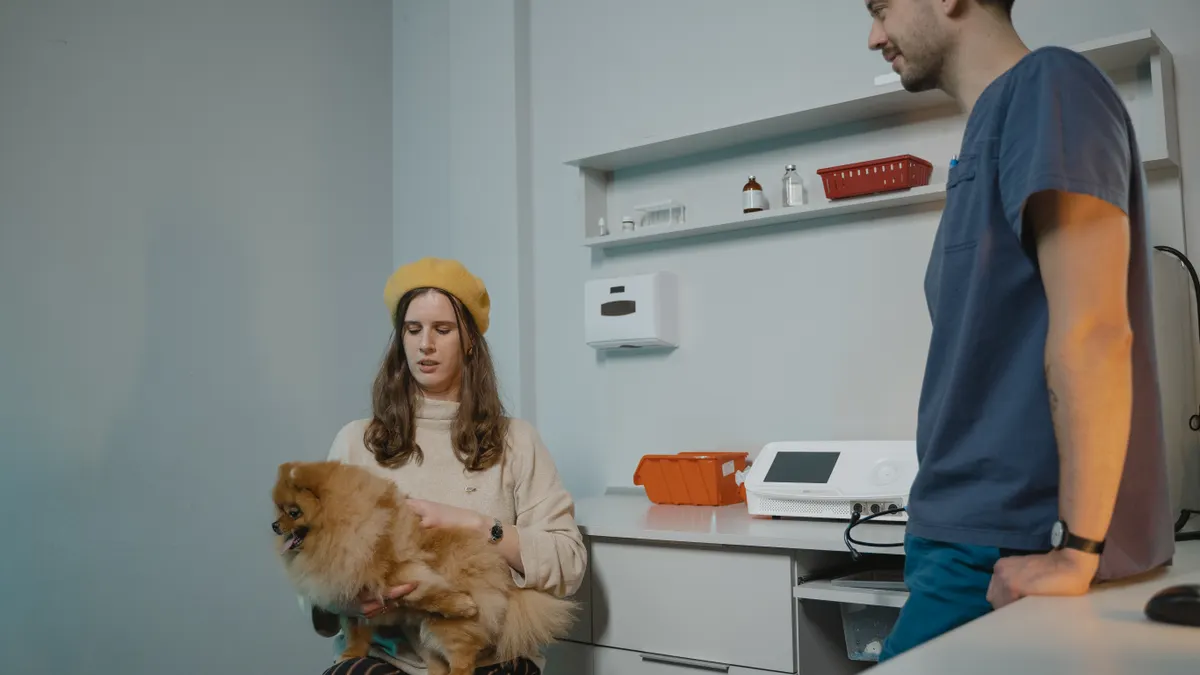
Emergency claims are usually judged by the reason for the visit, the clinical notes, and whether the condition was sudden, accidental, or medically urgent. The insurer is looking for evidence that the pet needed immediate veterinary attention rather than a delayed appointment.
A practical way to think about it is to match the event to the medical response. If a pet required oxygen, imaging, pain relief, fluid therapy, surgery, or overnight hospitalization, the case is much more likely to sit in emergency territory than a brief consult. If the vet documents triage and stabilization, that language often shows the visit was not routine.
The documents matter because “emergency” is not just a feeling. A torn toenail may feel dramatic at home, but a vet note that says the pet was stable, weight-bearing, and sent home after a basic bandage can make it look like a lower-acuity case. By contrast, a note describing pale gums, repeated vomiting, abdominal pain, or respiratory distress points toward a genuine emergency.
This is also where pre-existing conditions can complicate things. If the same symptom or diagnosis has appeared before the policy started, the claim may be denied or reduced even if the current visit was intense. That is one reason the words “emergency” and “covered” are not the same thing.
For readers comparing how emergency coverage fits into the bigger picture, the hub on pet insurance emergency coverage is the place to start; this page is only about what counts as an emergency visit in the first place.
What to do at the clinic, step by step
-
Describe the problem in one sentence before arrival or at triage. State the exact symptom, the start time, and the last normal moment, such as “started vomiting at 7 p.m.” or “was hit by a car 20 minutes ago.” Verify that the staff understands the timing. A problem appears when the story changes from one call to the next, because inconsistent timing can weaken the medical record.
-
Ask whether the pet needs emergency triage or can wait for urgent care. Use the facility’s own wording: “Does this need emergency triage now, or can it wait for your urgent care hours?” Verify the answer before you settle into a waiting room. A problem appears if the pet is worsening while waiting, especially if breathing, consciousness, or bleeding changes.
-
Request the exam fee and after-hours fee range before treatment begins. Many emergency hospitals charge a separate vet exam fee, and after-hours care may carry different pricing than daytime care. Verify whether the fee is for triage, consultation, or a full exam. A problem appears if nobody can explain the first charge line, because unclear billing often makes later claim review harder.
-
Tell the vet about accidents, toxins, and medications immediately. Give the exact product name if you know it, the amount if you can estimate it, and the time of exposure. Verify that this goes into the chart. A problem appears when toxic exposure is mentioned late, because a delay can change which treatments are used and whether the insurer sees the visit as clearly acute.
-
Ask whether the pet needs hospitalization or can go home the same day. Hospitalization means the pet stays at the clinic for monitoring or treatment, often overnight. Verify whether the pet needs oxygen, IV fluids, pain control, surgery, or repeated checks. A problem appears if the clinic recommends staying but the pet leaves against medical advice, because that can change both medical outcome and claim review.
-
Get the discharge summary before leaving. Ask for the diagnosis, the treatments given, the date and time, and any follow-up instructions. Verify that the summary matches the actual reason for the visit. A problem appears if the paperwork only says “illness” or “injury” with no detail, because vague records make it harder to show the event was an emergency.
-
Check whether the visit was triaged as acute care, emergency care, or routine care. Triage is the first sorting step where the clinic decides how quickly a patient needs attention. Verify the triage category in the notes if it is listed. A problem appears if the note says the pet was stable and advised to see a regular vet, because that points away from emergency status.
-
Keep the timeline tight at home. Write down when the symptom started, when the clinic was contacted, when arrival happened, and when treatment began. Verify that the timeline is consistent with the record. A problem appears when the gap between symptom onset and care is long enough to suggest the issue was not truly urgent, unless the pet’s signs clearly escalated later.
When the standard emergency rule does not apply
Some situations look dramatic but do not fit the usual emergency pattern, while others look mild and still deserve emergency care. The difference is the level of instability, not the owner’s anxiety, and that is why pet insurance for emergency vet visits still depends on the clinical picture.
Breathing trouble: This is an emergency sign — go to an emergency vet now, not a next-day clinic. Delay can be dangerous within minutes.
Collapse, seizures, or loss of consciousness: This is urgent emergency care — the pet needs immediate triage and often monitoring. A seizure that lasts more than a few minutes or repeats back-to-back is especially concerning.
Major trauma, such as being hit by a car: This is emergency care even if the pet is still standing. Internal injuries, bleeding, and shock may not show fully at first.
Repeated vomiting with abdominal swelling: This may signal a serious problem such as bloat or obstruction — seek emergency care right away. Waiting for a regular appointment can be the wrong move.
Minor limp, mild ear irritation, or a small skin wound with no active bleeding: This is often urgent care or routine veterinary care, not a true emergency. The safer course is to use the appropriate lower-acuity setting if the pet is otherwise stable.
Known chronic issue with no sudden change: This usually belongs with the regular vet, even if it is uncomfortable. The emergency room is the wrong tool when the condition is stable and unchanged.
These are the cases where people most often overcall an emergency. That matters because emergency hospitals are built for rapid assessment, not for every problem that feels urgent at home. It also matters because a claim can still be denied if the facility was used for a non-emergency visit.
Common mistakes that make claims harder
The biggest mistake is treating every after-hours visit as an emergency. A 24-hour clinic is not a guarantee that the visit will be treated as emergency care for insurance purposes. The consequence is a mismatch between what the owner expected and what the claim reviewer sees. The better alternative is to focus on the pet’s symptoms, not the clock.
Another mistake is skipping the triage question and just assuming the facility will “sort it out.” That can lead to a higher exam fee or a longer wait than necessary. The better alternative is to ask directly whether the pet needs immediate emergency triage or can be seen in urgent care.
A third mistake is leaving before the full exam or stabilization is complete because the pet seems slightly better. The consequence is that the record may show an incomplete visit and a weaker clinical case. The better alternative is to let the vet decide when the pet is stable enough to leave.
A fourth mistake is failing to mention the first sign of illness, especially if it happened 24 to 72 hours earlier. The consequence is a timeline that looks fuzzy or contradictory. The better alternative is to write down onset, progression, and any home treatment before arriving.
A fifth mistake is assuming that hospitalization automatically means full coverage. Overnight stays, oxygen, surgery, and IV fluids can all be part of emergency care, but reimbursement still depends on the plan terms and the pet’s medical history. The better alternative is to read the plan documents carefully and, if needed, ask the insurer or a qualified adviser how that specific event is handled.
What a clean emergency visit looks like on paper
A clean emergency file usually has a clear timeline, a triage note, a diagnosis or working diagnosis, and itemized treatment notes. It often shows that the pet was seen because of a sudden change, not because of a lingering issue that happened to come up after hours.
The most useful paper trail tends to include the exact date, the time symptoms began, the reason for the emergency visit, the triage category, and any overnight hospitalization or stabilization care. It also helps when the record names the actual problem instead of using only broad words like “sick” or “injured.” A note that says “acute vomiting with dehydration” tells a much clearer story than a generic line.
A strong record also distinguishes emergency care from routine follow-up. If the pet was told to return to the regular vet in 1 to 3 days, that does not erase the emergency visit, but it can show where the longer-term care belongs. That distinction is useful when the bill includes both emergency treatment and later outpatient care.
This is also the point where policy terms matter in a real way. Deductibles, reimbursement rates, waiting periods, and exclusions can change the amount paid, but those are separate questions from whether the event itself was an emergency. This page is about the event type, not about claim submission mechanics or what a plan covers in general.
When to get a professional to sort it out
If the pet is struggling to breathe, collapsing, bleeding heavily, or having repeated seizures, the right professional is the emergency veterinarian, not a general adviser. Those situations need immediate clinical judgment.
If the event already happened and the only question is whether a claim is likely to apply, a qualified adviser who understands the plan language can help interpret the terms for your own circumstances. That matters because the fine print around pre-existing conditions, urgent care, and hospitalization differs across insurers and countries.
If the problem is borderline — for example, a limp, vomiting without dehydration, or a possible toxin exposure that seems mild — the safest move is still to call a vet for triage advice. A phone screen is not a diagnosis, but it can help you decide whether to head to an emergency hospital or wait for urgent care.
What readers usually get wrong about emergency visits
People often think “emergency” means expensive or late at night. It does not. It means the pet’s condition needed immediate assessment because delay could have changed the outcome.
People also assume the building name decides the claim. It does not. An emergency hospital can see a routine problem, and an urgent care clinic can see a serious one.
Drafted with AI; not yet reviewed by a person.