Last updated: November 19, 2026
Key Takeaways
- Pet insurance may cover toxin treatment if the policy treats the event as an accident or sudden illness and the care starts after the effective date.
- Insurers usually want proof of timing, a veterinary exam, and treatment that matches the exposure.
- A poisoning visit often goes from poison control call to triage, exam, decontamination, diagnostics, and follow-up.
- If the substance is not clearly toxic, coverage may still apply, but the claim can fall under a different category.
Pet Insurance Coverage for Toxin Exposure and Poisoning usually depends on whether the exposure is treated as an accident and whether the policy was active before the pet got sick. Quick answer: many policies may help with the vet bill, but payment depends on the policy and the record. In short: many policies can help with the vet bill for toxin exposure treatment, but the claim will only be paid if the policy covers that event and the situation fits the insurer’s rules. For policy questions, consult your veterinarian or insurer, and see the American Veterinary Medical Association and ASPCA Animal Poison Control Center for general guidance.
This guide is for a pet owner who has already called a veterinarian or pet poison control and now wants to understand the insurance side. It assumes you know the basics of your policy, but not the fine print around ingestion, induced vomiting, activated charcoal, bloodwork after ingestion, or foreign substance ingestion. This is information, not financial advice; a qualified adviser should be consulted for your own situation. For more on emergency claims, see pet insurance emergency coverage.
What pet insurance usually covers after a pet eats something toxic
Pet insurance for poisoning and toxin exposure usually covers treatment when the policy treats the event as an accidental injury or sudden illness and the medical care happens after the policy’s effective date. The answer depends on the policy, the timing, and the medical record. A claim can turn on what was ingested, when it happened, what the veterinarian did first, and whether the insurer sees the treatment as medically necessary.
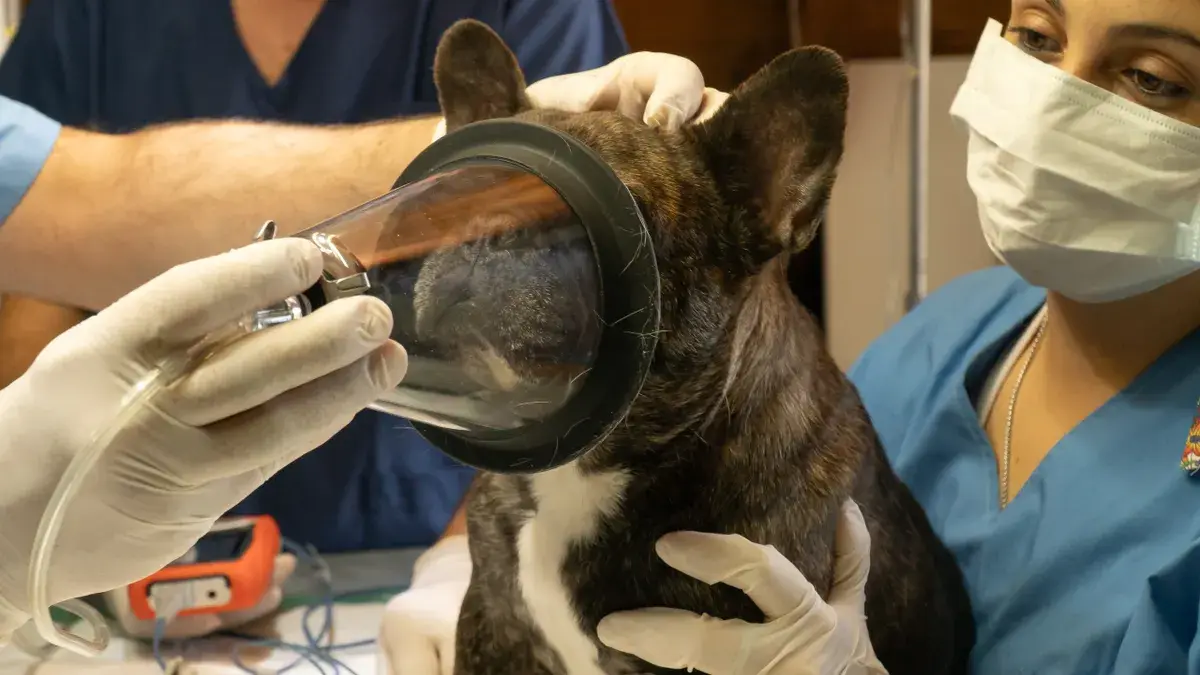
A typical poisoning visit can include a poison control call, a physical exam, bloodwork after ingestion, and treatment such as induced vomiting or activated charcoal. In more serious cases, a veterinarian may recommend IV fluids, repeat blood tests, hospitalization, or monitoring for liver, kidney, or neurological effects. Insurers usually evaluate the claim against the records, not against the owner’s memory, so the chart matters. According to the ASPCA Animal Poison Control Center, it handled more than 401,000 cases in 2023.
The common mistake is assuming “poisoning” is one category with one answer. It is not. Chocolate ingestion, xylitol exposure, rodenticide exposure, lilies, grapes, and household cleaners can produce very different clinical pictures and different documentation. The insurer may accept one claim and question another if the policy excludes the product, the timing is unclear, or the vet note does not show why the treatment was needed.
For a broader map of emergency coverage, this page fits under the hub on pet insurance emergency coverage. It stays focused on toxin exposure treatment and the claim logic around it.
What does the insurer look for in a poisoning claim?
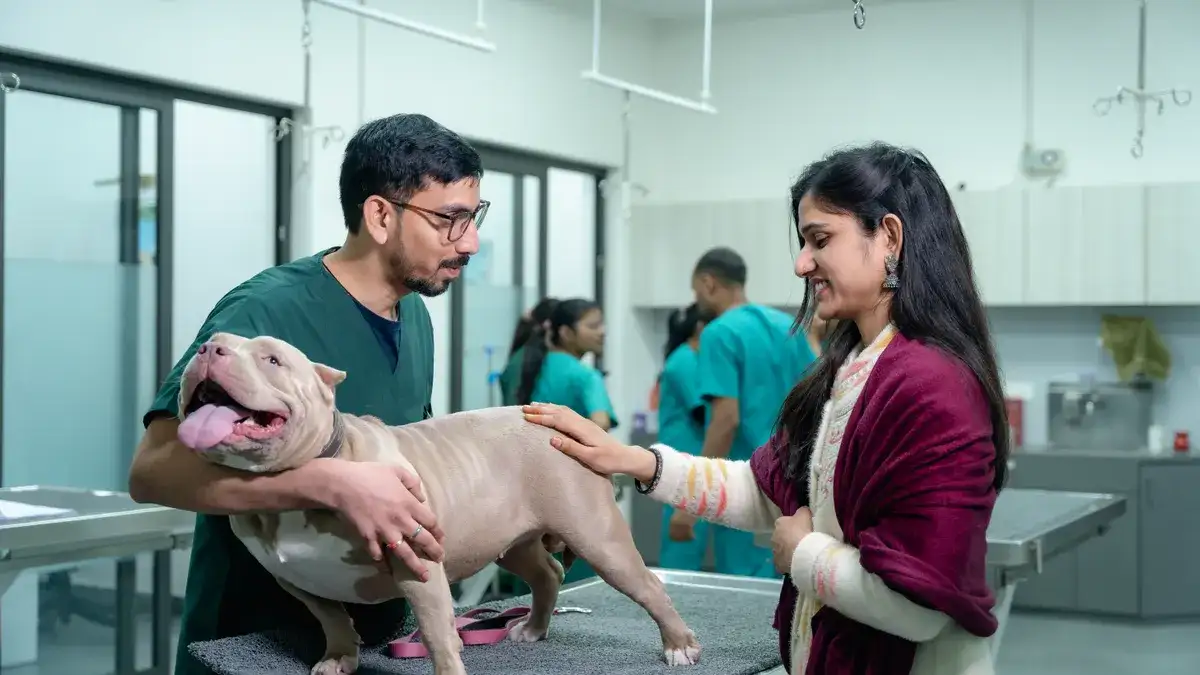
The insurer usually looks for proof that the event happened after coverage started, that the pet was evaluated by a veterinarian, and that the treatment matches the exposure. That means the records matter more than the label “poisoning.” When in doubt, consult the insurer or a veterinary professional.
A claim file usually needs the date and time of ingestion if known, the suspected toxic substance, the symptoms seen at home, the poison control recommendation if one was made, and the treatment plan at the clinic. If the vet induced vomiting within a short window after ingestion, the insurer may want to see the timing and the reason that vomiting was appropriate. If the pet arrived too late for that step, the chart should show why another approach was used instead. The more exact the timeline, the easier the review.
Bloodwork after ingestion is another point insurers review closely. A complete blood count, chemistry panel, coagulation profile, or electrolyte check may show whether the toxin has already affected organs or whether the veterinarian is watching for complications. The insurer is not judging the medicine; it is checking whether the tests were part of a reasonable workup.
Foreign substance ingestion can complicate the claim. If the item was not truly toxic but could obstruct the stomach or intestines, the case may shift from “poisoning” to another type of emergency care. That does not automatically kill coverage, but it can change how the insurer categorizes the visit.
One practical detail: poison control documentation can help, but it is not a guarantee of payment. The most useful records are the intake notes, the treatment plan, and the itemized invoice.
How a poisoning visit is usually handled, step by step
A poisoning visit usually starts with a poison control call, then moves through triage, examination, decontamination, diagnostics, and follow-up. The exact order depends on the toxin and the time since ingestion, but the basics are consistent enough that a pet owner can follow the logic.
- Call pet poison control right away. Give the pet’s species, weight, age, the exact product name, the amount ingested if known, and the time of ingestion. Verify that the product label or package is in hand and that the toxic substance is identified correctly. A problem is uncertainty about the ingredient or a delay of even 1–2 hours after ingestion, which can change the recommended treatment.
- Call the veterinarian before driving if the pet is stable. Ask whether the clinic wants the pet seen immediately or wants you to come with the product container. Verify the opening hours and whether the clinic can do bloodwork on site. A problem is waiting for symptoms such as vomiting or wobbliness before leaving; some toxins act before signs appear.
- Do not induce vomiting unless a veterinarian or poison specialist tells you to. Induced vomiting can be appropriate in some ingestion cases and dangerous in others, especially with caustic products, hydrocarbons, or pets already showing neurologic signs. Verify the exact instructions, including whether hydrogen peroxide is ever being discussed for that pet; if the answer is not clear, stop and call again. A problem is forcing vomiting after the wrong substance, which can worsen injury.
- Arrive with the package, label, or a photo of the ingredient list. The clinician needs the concentration, brand, and active ingredient, not just the household name. Verify that the label shows the active compound and, when relevant, the flavoring or added sweeteners. A problem is bringing a loose container with no label, which makes treatment decisions slower and claims harder to document.
- Expect a physical exam and targeted testing. Bloodwork after ingestion may include chemistry, liver values, kidney values, glucose, or clotting tests, depending on the toxin. Verify that the veterinarian explains what each test is checking and why it is needed now, not later. A problem is assuming a normal exam rules out poisoning; many toxins cause delayed injury.
- Ask whether activated charcoal is appropriate. Activated charcoal can bind some toxins in the gastrointestinal tract, reducing absorption, but it does not help with every exposure. Verify whether the pet can swallow safely and whether more than one dose is needed. A problem is giving charcoal at home without guidance, which can cause aspiration or delay better treatment.
- Follow the treatment plan and discharge instructions exactly. The plan may include monitoring, repeat labs in 12–48 hours, a bland diet, or strict observation for weakness, tremors, or jaundice. Verify the red flags in writing before leaving the clinic. A problem is treating discharge as the finish line when organ injury can still develop later.
- Keep every record for the claim. Save the poison control case number, the vet notes, the invoice, and any lab printouts. Verify that the dates match and that the diagnosis or assessment mentions toxin exposure, ingestion, or poisoning. A problem is sending only the receipt, which often leaves the insurer without enough context.
The hard part of this process is timing. A case handled within minutes may involve vomiting and charcoal; a case seen hours later may move directly to lab work and support care. That difference is not cosmetic. It affects both medical decisions and what the insurer sees in the record.
What if the pet swallowed something but it is not clearly toxic?
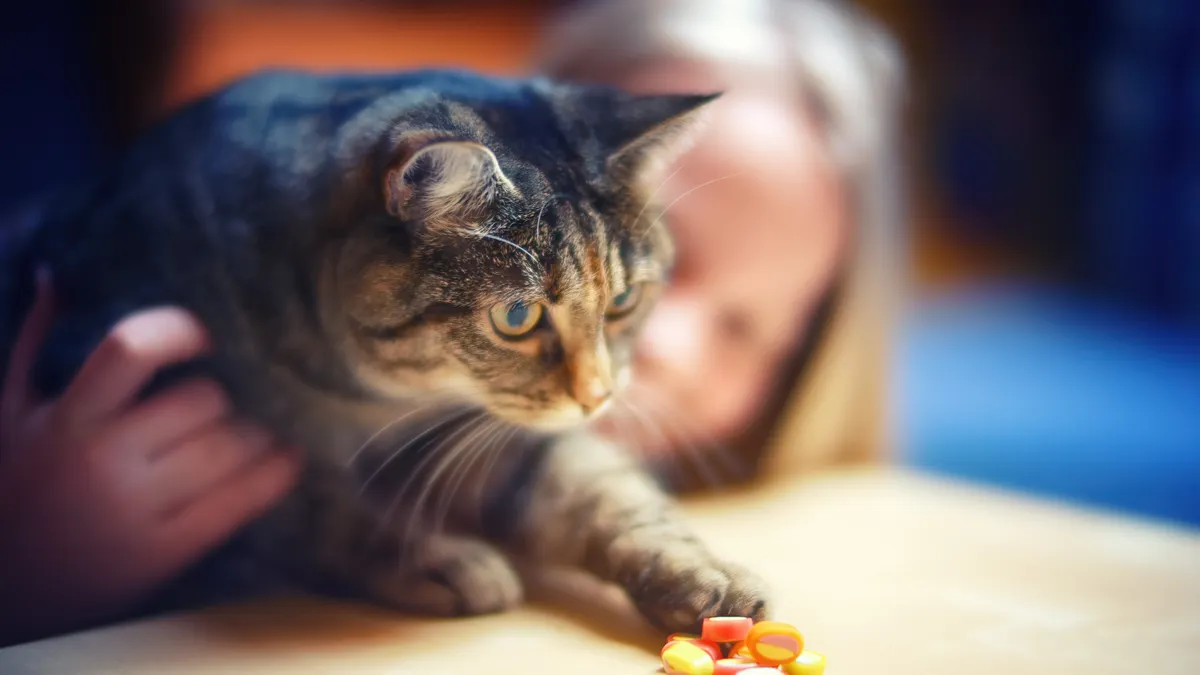
If the substance is not clearly toxic, coverage still may exist, but the claim can shift into a different medical category. A coin, toy piece, sock, corn cob, or similar foreign substance ingestion may cause obstruction rather than poisoning, and the treatment plan can look very different.
That distinction matters because the insurer reviews the chart language. If the veterinarian documents “foreign body ingestion” rather than “toxin exposure,” the claim may still be valid, but it will be judged under the policy terms that apply to that event. If the item was a gummy vitamin, a cleaning wipe, a rodent bait block, or a plant, the case may include both ingestion and toxicity concerns. In that situation, the vet’s notes should show which risk was the reason for each test and treatment.
A generic article often misses this point: not every swallowed object triggers the same rule. The claim outcome may depend on whether the pet needed induced vomiting, activated charcoal, imaging, endoscopy, surgery, or hospital monitoring. A single episode can contain two problems at once, and the insurer may separate them on paper even if the pet experienced only one crisis.
If the product label is unclear, the safest move is to treat the event as potentially toxic until a veterinarian or poison specialist says otherwise. That is especially true with human medications, nicotine products, mushrooms, pesticides, and household chemicals.
When standard coverage does not apply
Standard coverage does not apply when the policy was not active, the exposure happened before enrollment, or the policy specifically treats the event outside covered accident terms. Those are the situations where a claim is most likely to be denied or reduced.
The ingestion happened before the policy started: the insurer may treat this as a pre-existing event — do not assume later treatment will be covered, and ask the insurer how it defines onset versus diagnosis.
The pet was exposed during a waiting period: the policy may not respond yet — check the start date and any accident or illness waiting period before submitting the claim.
The item was a routine dietary mistake rather than a toxic exposure: the case may not fit poisoning coverage — ask the veterinarian how the chart describes the event and what category the insurer is likely to use.
The treatment was not medically indicated: the insurer may refuse nonessential care — follow the veterinarian’s documented plan rather than informal advice from a forum or friend.
The exposure involved a product or condition the policy excludes by definition: the claim can be denied under policy wording — review the contract language and escalate questions to the insurer in writing.
The only evidence is a verbal story with no records: the insurer may lack enough proof — ask the clinic for notes, test results, and a discharge summary.
These are not reasons to delay care. They are reasons to understand that insurance follows documentation, not panic. If the pet is symptomatic, qualified medical help comes first and the claim question comes second.
The mistakes that make poisoning claims harder
The biggest mistakes are avoidable, and each one makes the claim file weaker. A clean record often matters as much as the medical care itself.
-
Waiting to see whether symptoms get worse. The consequence is a narrower treatment window and less chance that the insurer sees early intervention. The better alternative is to call poison control and the veterinarian immediately.
-
Giving home remedies without instructions. The consequence can be injury, especially if vomiting is induced in the wrong case. The better alternative is to wait for veterinarian or poison control guidance.
-
Throwing away the container. The consequence is an incomplete exposure record. The better alternative is to bring the package, a label photo, or the ingredient list to the clinic.
-
Assuming one blood test is enough. The consequence is missed delayed toxicity. The better alternative is to follow the recheck schedule if the veterinarian recommends repeat bloodwork after ingestion.
-
Submitting only a bill. The consequence is a claim that lacks medical context. The better alternative is to attach the notes, diagnostics, and poison control case number.
-
Using the word “poison” loosely when the item was never toxic. The consequence is confusion over whether the event is poisoning or foreign substance ingestion. The better alternative is to let the veterinarian describe the event precisely.
Does pet insurance cover toxin testing?
Pet insurance can cover toxin testing when the testing is part of the veterinarian’s documented evaluation of a covered ingestion or poisoning event. The insurer usually does not pay for curiosity; it pays for medically justified diagnostics.
That can include blood chemistry, liver or kidney values, clotting tests, electrolytes, urinalysis, or toxin-specific panels if the clinic uses them. The exact tests depend on the suspected substance. For example, anticoagulant rodenticide exposure often pushes the vet toward coagulation testing, while some human medication exposures may call for glucose checks or neurological monitoring. The claim is strongest when the chart ties each test to a specific concern.
One thing to watch: toxin testing is not the same as toxin screening. If a pet ate something unknown, the veterinarian may work from signs, timing, and lab changes instead of ordering a single magic test. That is normal. Insurers generally evaluate whether the workup was reasonable, not whether the clinic could name the toxin in one shot. According to the American Society for the Prevention of Cruelty to Animals, human medications are one of the most common causes of pet poisonings.
This is also where policy language can get messy. Some plans cover diagnostics tied to an accident; others separate diagnostics from treatment. The answer is in the contract, and a qualified adviser should be consulted for the reader’s own situation if the wording is hard to interpret. See also the Merck Veterinary Manual for general toxicology references.
FAQ
Does pet insurance cover poisoning?
Pet insurance can cover poisoning when the event fits the policy’s accident or illness terms and the medical records support the claim. Coverage usually depends on timing, documentation, and whether the treatment was medically necessary. A veterinarian’s notes and the poison control record often matter as much as the invoice.
Is poisoning treated as an accident?
Poisoning is often treated as an accident when the exposure was sudden and unintended, but policies differ by insurer and by country. The same event can be handled differently if it started before the policy, happened during a waiting period, or involved something the policy defines another way. Review the wording before assuming coverage.
Does pet insurance cover toxin testing?
Pet insurance can cover toxin testing when the veterinarian orders it to evaluate a covered exposure or poisoning event. Bloodwork after ingestion, clotting tests, and other diagnostics may be included if they are part of the treatment plan. The insurer usually wants to see why each test was needed and how it relates to the suspected toxic substance.
Drafted with AI; not yet reviewed by a person.