Last updated: October 31, 2026
Key Takeaways
- Dental coverage is often narrower than owners expect.
- Claims usually depend on why the dental issue happened, not just the procedure.
- Basic plans usually exclude routine cleanings.
- A fracture from trauma is the clearest case for oral injury coverage.
Pet insurance can cover dental treatment, but only for certain kinds of dental problems and only if the policy says so. The usual split is simple: routine dental cleaning is often excluded or limited, while illness-related care such as periodontal disease, tooth extraction, stomatitis, broken teeth, and oral injury may be covered under an accident and illness plan if the policy includes dental benefits. For policy definitions and exclusions, see the Pet Insurance Guide from the CFPB and the AAHA pet insurance overview.
If you are deciding whether a policy will help with a real dental bill, talk to a qualified veterinarian about the diagnosis and read the policy wording before you buy or file a claim.
The short answer on pet dental coverage
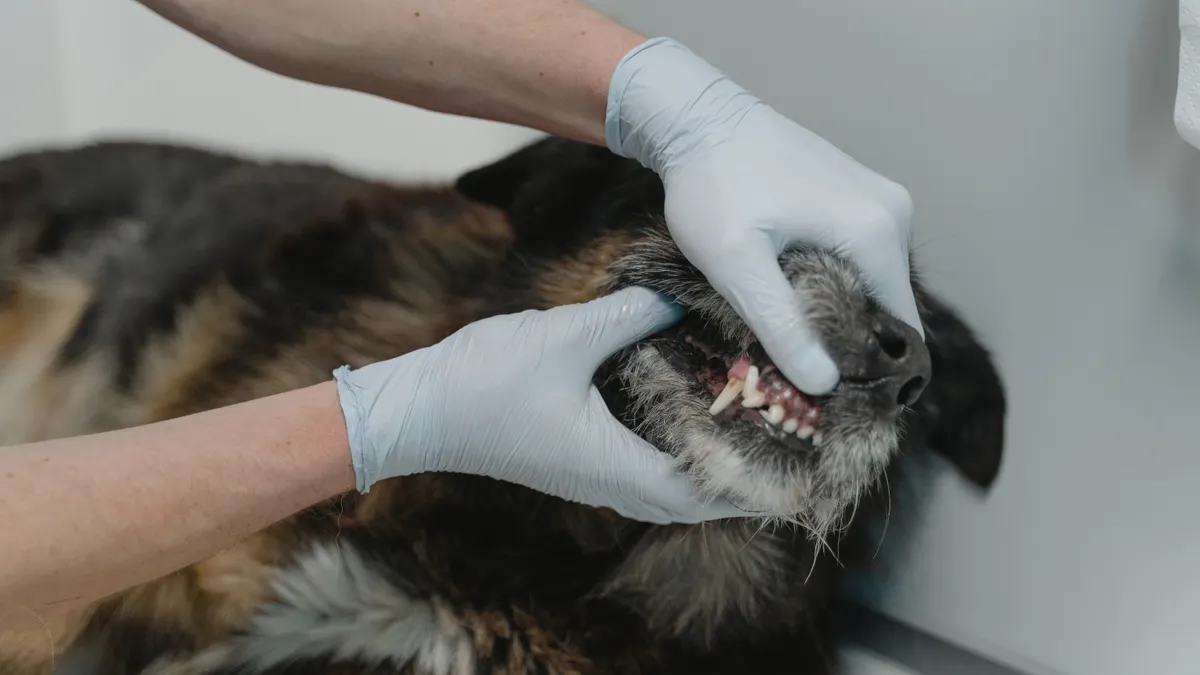
Pet dental coverage is usually narrower than people expect. Most policies treat routine care, disease, and injury differently, and those categories can change the outcome of a claim. For a claim-specific answer, ask the insurer and your veterinarian to review the record together.
A standard dental cleaning under anesthesia is commonly considered preventive care, not treatment for illness. That means it may be excluded unless the plan has a wellness add-on or a specific dental benefit. By contrast, a damaged tooth from a bite wound, a fractured canine, or oral trauma from an accident is more likely to fall under accident coverage. Disease-related care sits in the middle: conditions such as periodontal disease and stomatitis may be reimbursable on some accident and illness plans, but only if the plan’s wording includes dental disease and the pet was not excluded for a pre-existing problem. See the AKC guide to pet insurance and review your policy with a veterinarian if the diagnosis is unclear.
That distinction matters because a single appointment can involve both covered and uncovered parts. A vet may recommend an exam, dental radiographs, scaling, polishing, and one or more extractions during the same anesthetic procedure. One carrier may pay for the extraction tied to infection, while another may exclude the full dental work because the policy classifies it as routine oral care. A third may require proof that the pet had a dental exam within the last 6 to 12 months before it will consider the claim.
The safest way to think about pet dental coverage is this: coverage often depends on the cause of the problem, the policy type, and the exact language in the contract. If a reader wants certainty for a specific dog or cat, the right next step is to ask the insurer for a written explanation of how dental claims are handled and to confirm the diagnosis with a veterinarian.
What kinds of dental treatment are usually covered?
Coverage usually tracks the cause of the dental problem, not the fact that the mouth needed work. That is why two pets can have similar procedures and get different claim results. If you are unsure which category a case falls into, ask a veterinarian to document the diagnosis before filing.
Illness-related dental treatment is the category most likely to create confusion. Periodontal disease, which refers to infection and inflammation around the teeth and supporting tissues, often develops gradually and can require deep cleaning, extractions, and follow-up care. Some policies cover dental disease under accident and illness plans, but many limit that coverage or exclude conditions that were already present before enrollment. Stomatitis, a painful inflammatory condition in the mouth, may also be covered on some plans if the policy language includes illness affecting the oral cavity. Broken teeth may be covered when they are caused by a sudden injury, while wear, chewing damage, or long-standing dental disease is treated differently.
The procedure itself matters too. A dental cleaning can mean a basic prophylaxis, but in pets it often includes anesthesia, scaling above and below the gumline, and dental radiographs. Those radiographs are important because visible tartar does not always show the full problem. Still, many plans classify the entire appointment as preventive unless there is a diagnosed disease process attached to it. Tooth extraction is another example. If the extraction is needed because a tooth is fractured, infected, or involved in advanced periodontal disease, coverage may be possible. If it is being done as routine maintenance or because of a chronic condition excluded by the policy, reimbursement may not apply.
A practical rule is to read for the phrase “dental illness,” “dental disease,” or “oral injury.” If those words are missing, assume coverage is limited until the insurer confirms otherwise in writing.
Are dental cleanings covered by pet insurance?
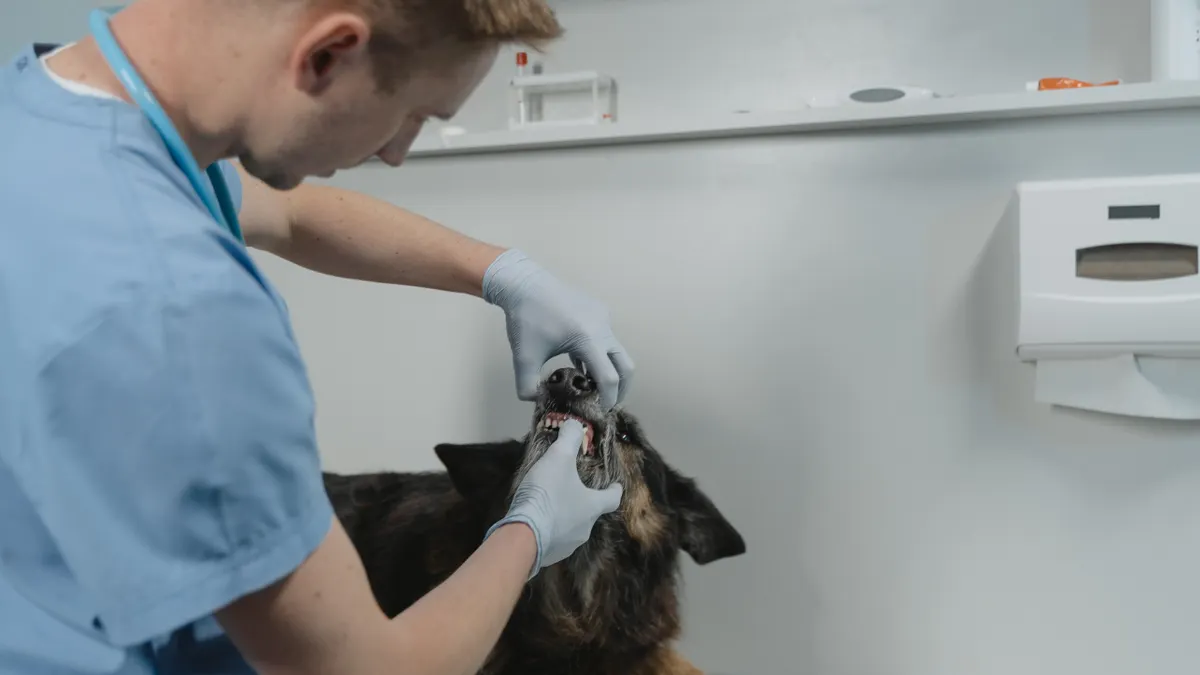
Routine dental cleanings are usually not covered by basic pet insurance. They are commonly treated as preventive care, which means the policy may exclude them unless you bought a wellness or preventive-care add-on. If the policy wording is unclear, ask the insurer or veterinarian before scheduling the procedure.
The reason is simple: insurers separate maintenance from treatment. A cleaning done to remove plaque and tartar before disease develops is not the same as treatment for periodontal disease or an oral infection. A policy may pay for an exam tied to a covered illness, but not for a standalone cleaning done on a healthy mouth. Some plans also ask for a dental exam every 6 or 12 months before they will cover later dental disease, so skipping routine checkups can hurt a future claim even if the cleaning itself was never going to be reimbursed.
This is one place where the policy language matters more than the marketing label. The word “dental” on a brochure does not guarantee that prophylactic cleanings are included. Look for specific exclusions for “routine dental care,” “cleanings,” “polishing,” or “prophylaxis.” If the plan only lists accidents and illnesses, assume the insurer will want a diagnosis before it considers payment.
A cleanup bill can also include anesthesia, bloodwork, extractions, and radiographs. Those extra services are not automatically covered just because they happened during a cleaning. If the underlying reason is preventive, the insurer may deny the whole claim or approve only a small part of it. That is why a reader should ask the vet for itemized records: procedure names, diagnosis codes if available, and the date of the last dental exam.
For broader policy basics, the pet insurance basics hub is the better starting point before comparing plans.
Does pet insurance cover tooth extractions and broken teeth?
Tooth extractions and broken teeth are often covered when they result from an accident or a covered dental disease, but they are not covered just because the tooth had to come out.
A fractured tooth from a fall, a chew injury, or a car accident is the clearest case for oral injury coverage. In that setting, the extraction may be part of treating the trauma. A broken tooth caused by years of grinding, severe tartar, or untreated periodontal disease is different. The claim will turn on whether the policy covers dental disease and whether the insurer views the condition as sudden or long-standing. If the cause is unclear, ask the veterinarian to note the likely source in the medical record.
This is where dental radiographs become important. A visible chip can hide root damage, infection, or exposure of the pulp. The vet may recommend extraction rather than repair, especially if the tooth is already diseased. From an insurance standpoint, that diagnosis matters more than the word “broken.” A claim for one extracted canine after an accident may be handled differently from multiple premolars removed during treatment for advanced periodontal disease.
You should also watch for waiting periods and dental-exam requirements in the policy paperwork. Some plans want a dental exam within the prior 6 to 12 months before covering later disease-related treatment. If the pet has not had that exam, the insurer may treat the problem as preventable or as outside the policy terms. That does not mean the care was wrong; it means reimbursement may be limited by contract.
The cleanest claims tend to have a clear cause, a documented diagnosis, and records showing whether the issue was acute or chronic. When the history is muddy, the policy language wins.
What to check before you buy a plan
You should check the dental exclusions, the exam requirements, and the distinction between accident, illness, and preventive care before you enroll.
Start with the policy wording, not the summary page. Search for “dental,” “oral,” “periodontal disease,” “stomatitis,” “tooth extraction,” and “oral injury.” If you cannot find those terms, ask the insurer for the full contract and an example of how a dental claim is evaluated. A plan that sounds generous in advertising may still exclude routine cleanings, extractions caused by disease, or any dental issue noted before the waiting period ends.
Next, confirm whether the insurer requires a dental exam and how recent it must be. Some policies expect one within the past 6 to 12 months, and some require proof that the mouth was healthy at enrollment. If the pet has already had tartar, gingivitis, a fractured tooth, or a history of dental disease, the insurer may classify the problem as pre-existing or not covered under the terms of the policy. That is a contract issue, not a judgment about whether your pet deserves care.
Also check whether the policy covers both the procedure and the underlying diagnosis. A plan may pay for extraction after a traumatic fracture but still exclude follow-up cleaning or periodontal treatment. The same appointment can be split into covered and uncovered line items. Ask for itemized billing codes, because a lump-sum estimate is harder to compare against policy language.
A good rule of thumb: if the policy does not clearly say how it handles dental disease, assume the default is limited coverage. That is especially true for older pets, brachycephalic breeds with crowded teeth, and cats that may develop stomatitis.
When pet dental claims usually get denied
Pet dental claims usually get denied when the problem looks preventive, pre-existing, or poorly documented.
Routine cleaning with no illness diagnosis: This is maintenance, not treatment — expect denial unless you bought a wellness benefit or the plan expressly includes cleanings.
Dental disease noted before enrollment or during the waiting period: The insurer may classify it as outside coverage — ask the veterinarian for records, but do not assume a later claim will override the dates in the chart.
Broken tooth with no accident history: The insurer may treat it as wear or disease, not injury — provide the cause if there was one, such as a fall, bite, or blunt trauma.
Extraction bundled into a preventive visit: The insurer may separate the bill and deny the preventive portion — request an itemized invoice showing diagnosis, tooth number, and procedure type.
No required dental exam on file: Some policies condition dental reimbursement on recent oral evaluation — obtain the missing documentation before expecting payment.
Advanced periodontal disease in a pet with a long untreated history: The claim may be viewed as chronic rather than sudden — the right move is to discuss the treatment plan and the insurance terms with the veterinarian and carrier before assuming coverage.
These denials do not all mean the care was unnecessary. They mean the policy and the medical record did not line up. That is a frustrating gap, but it is common.
How dental claims are usually evaluated step by step
Dental claims are usually evaluated by matching the diagnosis, the cause, the policy wording, and the records from the veterinary visit.
- Confirm the diagnosis first. Ask the veterinarian what the mouth problem is called, such as periodontal disease, stomatitis, fractured tooth, or oral injury. Verify whether the issue is acute or chronic. If the diagnosis is vague, the insurer may default to exclusion.
- Check the policy language before the procedure, if possible. Look for the exact dental terms in the contract and note any waiting periods, exam requirements, or exclusions. Verify whether the plan treats dental disease differently from accidents. If the wording is missing or ambiguous, ask for clarification in writing.
- Get itemized estimates and records. Request a line-by-line estimate for exam, anesthesia, radiographs, cleaning, extraction, and medication. Verify that each line matches a specific diagnosis. If everything is billed as one generic “dental procedure,” the claim is harder to evaluate.
- Document the cause of injury or disease. For broken teeth or mouth injuries, note the event that caused the damage. For disease, make sure the chart reflects the history of symptoms, prior dental findings, and any previous care. Missing history can look like a coverage gap.
- Submit the claim with the veterinary notes attached. Include the invoice, medical record, and any diagnostic images the insurer requests. Verify that the pet’s policy number, visit date, and diagnosis code are correct. Small paperwork errors can slow review.
- Watch for split coverage. The insurer may approve one part of the visit and deny another. Verify which line items were accepted and which were excluded, such as cleaning versus extraction. If the decision is unclear, ask for the reason in writing.
- Review any follow-up care separately. Post-extraction checks, medications, and rechecks may be handled differently from the original procedure. Verify whether those items were part of the covered event or treated as a separate claim. A second invoice is not automatically covered just because the first one was.
The process sounds bureaucratic because it is. The better the paperwork, the easier it is for a carrier to see that the issue was a covered dental event rather than routine care.
What people get wrong about pet dental coverage
The biggest mistake is assuming “dental” means “covered.” It usually does not.
One common error is buying a plan because it mentions accidents and illnesses, then expecting every mouth problem to qualify. The consequence is a denied claim after treatment has already happened. The better alternative is to look for explicit dental language and ask whether periodontal disease, tooth extraction, broken teeth, and oral injury are named.
Another mistake is skipping routine exams and assuming insurance will sort out later problems. Some policies require a dental exam within a 6- or 12-month window before they will consider a dental claim. Missing that exam can turn a potentially covered issue into a paperwork problem.
A third error is confusing the procedure with the cause. A cleaning, extraction, and radiograph can appear in one visit, but the insurer will separate preventive care from disease treatment. The consequence is partial reimbursement or denial of the routine portion. The better approach is to ask the veterinarian to document the diagnosis, not just the service.
A fourth mistake is waiting until a tooth is clearly bad before reading the policy. At that point, the problem may already be documented as chronic or pre-existing. The insurer may not care that the pet is now in pain; it will care what the records show.
A final mistake is assuming cats and dogs get the same treatment under every plan. They do not always, especially when stomatitis or breed-related dental crowding enters the picture. The terms may still be the same, but the medical history changes the claim.
Questions people ask before filing a dental claim
Pet owners usually want to know what is covered, what is excluded, and what documents matter most.
Are dental cleanings covered by pet insurance?
Usually not under a basic plan. Ask your veterinarian or insurer if your policy has a wellness add-on for preventive dental care.
Drafted with AI; not yet reviewed by a person.