Last updated: October 22, 2026
Key Takeaways
- Have the clinic name, pet name, service date, and at least one bill before you file.
- Most claims need four items: the form, an itemized invoice, exam notes, and related test results.
- A strong file shows what happened, what it cost, and why those charges match this pet and date.
- Usually, no, because the insurer needs the charge breakdown to assess the claim properly.
The claim documentation is the paperwork packet pet insurers use to decide whether a vet bill fits your policy, and the core items are usually a claim form, an itemized invoice, exam notes, and diagnostic results. This guide is for pet owners who already have a vet visit and a bill, and who want to submit the claim once without chasing missing records later. What documents do you need to file a pet insurance claim? In plain terms, you usually need the insurer’s claim form plus the clinic records that support it. It is information, not financial advice; a qualified adviser should be consulted for your own situation if anything in your policy is unclear.
Who this is for, and what you need before you start

This is for an owner who has already had a covered vet visit and wants to assemble a clean claim file, not for someone trying to sort out whether a condition is covered in the first place. You should already have the clinic name, the pet’s name, the date of service, and at least one bill from the visit. If your policy has a deductible, reimbursement percentage, or waiting period, those policy terms matter too, because they affect what the insurer may ask for, but they do not change the document list itself.
A complete claim package usually starts with the insurer’s own claim form, then adds the vet paperwork that supports the bill: the itemized invoice, exam notes, and any diagnostic results such as bloodwork, urinalysis, radiographs, ultrasound reports, or pathology results. Some insurers also ask for SOAP notes, which is shorthand for Subjective, Objective, Assessment, Plan. That is the veterinarian’s visit record in a standard clinical format. If the policy or claim portal asks for more, follow that list; if it asks for less, send only what it requests.
This approach is not for every case. If the claim involves a disputed diagnosis, a long-running condition with many prior visits, or a pre-existing condition question, a call to the insurer or the vet’s records desk can save a rejected submission and a second round of paperwork. The same is true if your clinic has separate invoices for the exam, medication, and lab work: those pieces need to be gathered before you submit. The hub page on pet insurance claims can sit beside this one if you need the bigger process picture, but this article stays with the paperwork package only.
What documents do you need for a pet insurance claim?
You usually need four things: the completed claim form, an itemized invoice, the exam notes, and any diagnostic results tied to the visit. That is the basic file most insurers can review without asking for another round of records.
The claim form is the insurer’s cover sheet. It identifies the policyholder, the pet, the date of treatment, and where payment should go if the insurer pays the vet directly or reimburses you. An itemized invoice is not the same as a balance-due receipt. It should break out each charge line by line, such as the exam fee, consultation, lab fee, imaging fee, medication, and any hospital or nursing charge. A single total of “services rendered” is often not enough. If you are unsure what your insurer wants, check the form instructions or ask a professional before you submit.
Exam notes matter because they show why the visit happened and what the veterinarian found. These notes may be called progress notes, consultation notes, or SOAP notes. Diagnostic results show what testing was done and what it found. If your pet had a simple wellness visit and the policy excludes routine care, those records may not help a claim; if the visit was for illness or injury, they are usually central.
Some insurers also ask for the discharge summary, prescription details, or a referral letter if a specialist was involved. That can happen when the treatment came from an emergency hospital, an internal medicine specialist, or an orthopedist, where the records are often split across more than one provider. If you are unsure whether a document belongs in the packet, include it if it explains the claim and is directly tied to the same date of service, or ask a professional to confirm. A file that is too thin causes delays; a file that is bloated with unrelated paperwork can also slow review.
For people who like to verify terminology, the North American Pet Health Insurance Association publishes plain-language explanations of common claim terms, and many insurers mirror that structure in their own forms. The exact document names still vary by company, country, and policy wording.
How do you put the claim packet together?
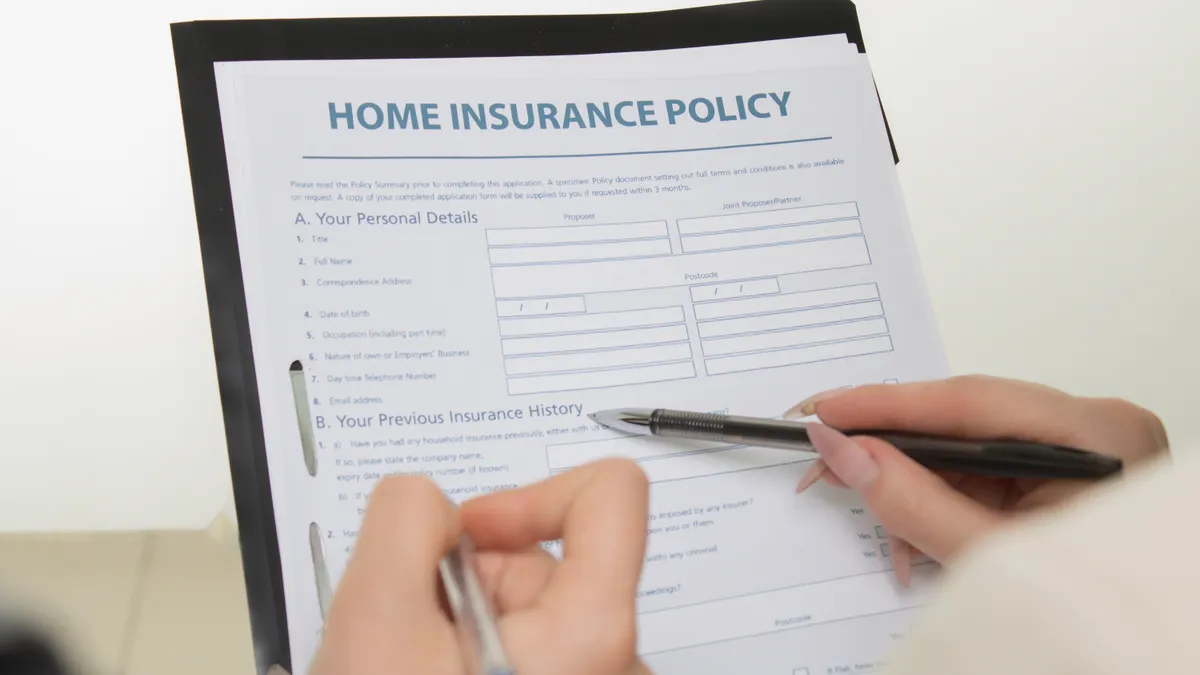
You put the packet together by matching each paper to the same visit date, making sure every charge and test is readable, and sending the insurer the documents in the format it asked for. The goal is a file that answers three questions in one pass: what happened, what it cost, and why the charges belong to this pet on this date.
- Open the insurer’s claim form and fill in the policyholder details exactly as they appear on the policy. Use the pet’s registered name, the policy number, and the date of treatment; verify spelling against the policy page; if anything does not match, ask a professional before filing because mismatches can hold the claim.
- Attach the itemized invoice for the visit, not just a paid receipt. Check that it shows each line item separately, including exam fee, medications, lab work, imaging, and taxes if they appear; if it only shows one total, the insurer may ask for a revised invoice from the clinic.
- Add the exam notes from the veterinarian for the same date of service. Look for the reason for visit, exam findings, assessment, and treatment plan; if the notes are missing the diagnosis or mention a different date, the file does not yet support the claim cleanly, and you should consult a professional if the record is unclear.
- Include diagnostic results connected to that visit. Match the report name to the test actually performed, such as CBC, chemistry panel, radiographs, ultrasound, or pathology; verify the pet’s name and the sample or study date, and flag any report that belongs to another case or another pet.
- Collect any extra records the insurer requested for this policy. This might include a discharge summary, referral record, prescription label, or surgical report; if the request names one document and you send a different one, the claim usually stalls.
- Scan or photograph each page in a format the portal accepts. Keep the text legible, show all margins, and avoid cut-off lab values or cropped invoice totals; a blurry image or a missing page is the practical equivalent of no document at all.
- Check that every page points to the same incident. The visit date, diagnosis, and invoices should line up; if one document shows March 3 and another shows March 5, or if the invoice contains multiple unrelated dates, the insurer may split the claim or ask for clarification.
- Submit the packet only after you can read the whole file end to end. Verify the total charge, the deductible or reimbursement field if the form asks for it, and the contact details for follow-up; if a document is still missing, pause and request it before filing.
A good packet is most useful when it is calm and complete. The insurer should be able to see the visit, the treatment, and the cost without guessing which page belongs to which pet or which line item reflects which service. That level of clarity is worth more than extra paperwork.
Can you file without an itemized invoice?
Usually, no, because the insurer needs the charge breakdown to assess the claim properly. A plain receipt that shows only a final total often leaves out the key details: consultation fee, lab charges, radiographs, medication, and other billable items.
The itemized invoice is the document most readers underestimate. It tells the insurer what was done, not just what was paid. If your clinic gave you a summary receipt, ask for the detailed invoice from the billing desk or the records department. In many clinics, that is a one-page export from the practice-management system, but in a hospital or emergency setting it may run to several pages. If there were multiple dates of service, make sure the invoice separates them clearly rather than bundling everything into a single total.
There is one practical exception: a few insurers accept a less detailed document for very small claims or for very simple care, but that is a policy-specific rule, not something to assume. The safer move is to treat the itemized invoice as required unless the insurer explicitly says otherwise in writing. If the invoice is unavailable because the clinic is closed or the billing system is delayed, file only when you have the proper document or be ready for a request for more records.
A second problem is that people confuse an estimate with an invoice. An estimate is pre-treatment pricing; an invoice is the final bill. Insurers generally want the final bill because it reflects what actually happened, not what was forecast.
When should you stop and get records help?
You should stop and get help when the records are incomplete, inconsistent, or split across providers, because a rushed submission can turn into a denied or delayed claim. In finance terms, the issue is not speed; it is document fit.
The clinic refuses to release the notes directly to you: this usually means the provider wants to send records to the insurer or wants a written request from you — ask the insurer how it prefers to receive them, then request the clinic’s records in the required format.
The invoice and the exam notes show different dates or different pets: the claim file is internally inconsistent — do not submit until the clinic corrects the record or explains the mismatch in writing.
The visit involved a specialist, emergency hospital, or referral center: records may be split between two or more providers — gather each provider’s invoice and notes before filing so the insurer sees the full sequence of care.
The diagnosis is ongoing and there are older records in the background: the insurer may want prior history — ask for the relevant earlier notes now, rather than waiting for a back-and-forth request after submission.
The document is unreadable, cropped, or incomplete on the scan: the file is not review-ready — rescan at higher resolution or obtain a clean PDF from the clinic instead of sending a partial image.
The insurer specifically asks for a certain form or report: the standard packet is not enough — send exactly what was requested, because a substitute document often slows the file more than no extra document at all.
If you are dealing with a major surgery, a chronic condition, or a claim near a policy limit, a records specialist at the clinic or the insurer’s claims team can save time by naming the exact files they need. That is especially true when the chart includes terms like differential diagnosis, pathology, or referral authorization, because those items can sit in separate parts of the medical record.
The mistakes people make with claim paperwork
The most common mistake is sending a payment receipt instead of an itemized invoice. The consequence is a request for more documentation, which adds days or weeks to the claim. The correct alternative is to ask for the detailed bill, not the card slip or the balance paid page.
Another error is submitting the claim form before the exam notes arrive. That creates a packet that looks complete but cannot explain why the visit happened. The fix is simple: wait for the clinical record, or file only once you have a written promise from the clinic that the notes will follow in the format the insurer accepts.
A third mistake is mixing unrelated visits into one claim packet. If the pet had a dental cleaning and, two weeks later, an ear infection, the insurer may need separate documentation. Combining them can blur dates and diagnoses, which is especially damaging if the policy treats routine care and illness differently.
People also forget to include diagnostic reports because they think the invoice proves enough. It usually does not. A blood panel, x-ray report, or pathology result can be the difference between a claim that is easy to understand and one that looks unsupported. If there were no tests, that is fine; if there were tests, send the report.
A fifth problem is uploading blurry photos from a phone instead of a proper scan or PDF. A dark image can hide the test name, the amount billed, or the veterinarian’s assessment. If a portal accepts PDF, use that. If it only accepts images, make sure each page is flat, bright, and fully visible.
The last mistake is treating the insurer’s request as optional. If the portal asks for surgery notes, discharge instructions, or a referral letter, the claim file is not finished until those records are in. Missing one named document is enough to stall an otherwise valid submission.
What changes when the claim is not a simple one-page visit?
The standard document list changes when the visit includes surgery, emergency care, multiple providers, or a long medical history, and the file needs to reflect that more complex path. A routine ear-infection visit may need three pages; a surgical claim can need a packet several times larger.
For surgery, the insurer may want the anesthesia record, the surgical report, and the discharge instructions in addition to the invoice and exam notes. These records show what was done before, during, and after the procedure. If the treatment crossed midnight, such as an emergency admission, the dates on the records should cover the full hospital stay.
For specialist care, ask for the consult note and the referring veterinarian’s note if the insurer wants a complete chain of care. That is common when a primary vet sends the pet to dermatology, oncology, cardiology, orthopedics, or neurology. Each provider may document a different part of the same problem, and the claim file should make that sequence obvious.
For chronic conditions, earlier records may matter even if the current visit is short. The insurer may need a first-noted date, prior exam notes, or earlier diagnostic results to understand whether the condition is new or pre-existing under the policy wording. This is one place where a full chart request can be more useful than a single visit note.
If the clinic uses an electronic medical record system, ask for the records in PDF form rather than screenshots or printed images when possible. PDF files usually preserve the date stamp, page order, and legibility better than a stack of photos. That matters when the insurer is comparing one page against another.
What does a complete submission look like?
A complete submission is one that a claims adjuster can read from top to bottom without guessing where the visit starts, what was billed, or which test belongs to which diagnosis.
Drafted with AI; not yet reviewed by a person.