Last updated: November 19, 2026
Prescription pain medication is sometimes covered, but only when the drug is tied to a covered injury or illness and your policy does not exclude it.
The catch is that prescription pain management is usually reimbursed as part of a broader claim, not as a stand-alone shopping trip.
Here’s what counts, what gets denied, and what to check before you count on reimbursement.
Quick Answer: Yes—sometimes, and usually only when the claim totals a prescription drug plus a covered condition. A 7-day post-op fill, for example, is more likely to be reimbursable than a long-term refill. Ask a qualified professional about your pet’s diagnosis and your policy, because coverage and medical needs both depend on the prescription, the condition, and the plan.
Key takeaways
- Prescription pain medication can be covered when it supports a covered condition such as post-surgery recovery, arthritis, or another illness your policy accepts.
- The drug name alone is not enough; the insurer usually looks at the reason it was prescribed and whether that reason falls inside the policy.
- NSAIDs and opioid prescriptions may be covered in some plans, but each insurer sets its own rules and exclusions.
- Refills are often the gray zone, especially for chronic pain management.
- If the pain medicine is for a pre-existing issue, a routine exam, or a cosmetic procedure, coverage is much less likely.
What counts as prescription pain medication on a pet policy?
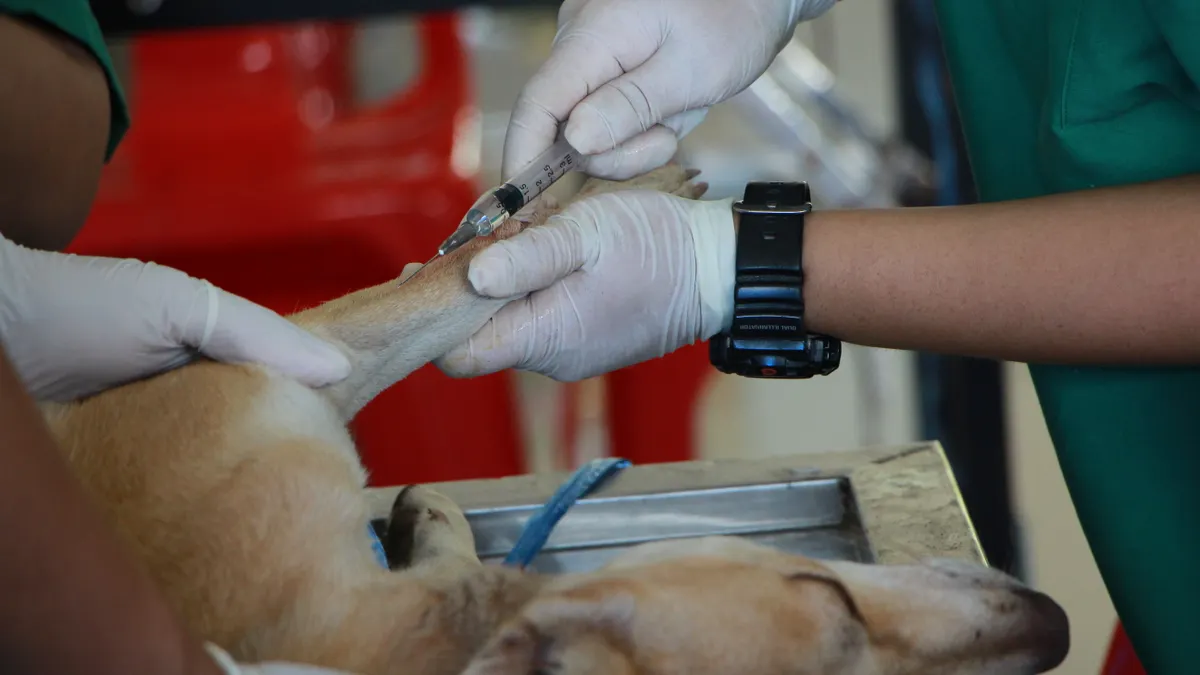
Prescription pain medication is covered when it is written by a veterinarian and used for a condition the policy already covers. That usually means the medicine is part of treatment for injury, surgery, inflammation, or a diagnosed disease, not a comfort item bought on the side. Check the policy before you buy; coverage depends on the diagnosis and the plan.
Picture this: you leave the clinic with a bottle labeled for your dog after dental surgery, and you want to know if the claim will include it. The answer often turns on why it was prescribed, whether the condition is covered, and whether the plan treats the drug as part of the episode of care. Review the prescription and the policy together.
Common examples include:
- Post-operative pain control after a covered surgery
- Pain relief for a covered injury, such as a fracture or soft-tissue trauma
- Pain medicine used with arthritis care, if the plan covers that diagnosis
- Medication for inflammation when the policy accepts the underlying condition
Some plans also cover the drug when it is dispensed by the vet clinic as part of the visit, while others only reimburse the medication if the prescription is itemized on the invoice. A label from the pharmacy helps, but it is not a guarantee. The invoice still has to match the diagnosis.
For official guidance on pet insurance terms, see the NAIC consumer overview of pet insurance and the Insurance Information Institute explanation of how coverage can vary by policy and provider.
Which policies are most likely to cover it?
Policies that cover treatment for accidents and illnesses are the ones most likely to include prescription pain medication. Wellness-only plans usually do not cover it, because they are built for routine care rather than treatment of a specific covered condition. Check the policy terms before the medication is filled.
Picture this: your cat needs pain control after a covered fracture repair, and you are comparing the invoice to your policy terms. The question is not just “Is this medicine on the receipt?” It is “Is this medicine attached to a covered claim?” The answer depends on the plan.
What often matters:
- Accident and illness coverage: more likely to include pain medicine tied to a covered event
- Hereditary or chronic condition coverage: may help if the policy accepts the diagnosis
- Exam fee rules: some plans cover treatment but not the exam that led to the prescription
- Medication limits: a policy may cap prescription drug reimbursement or restrict certain classes
Here’s the catch: a policy can cover the surgery and still deny the refill if the refill is seen as long-term management rather than acute recovery. That split is common with chronic pain management.
How prescription pain claims usually work
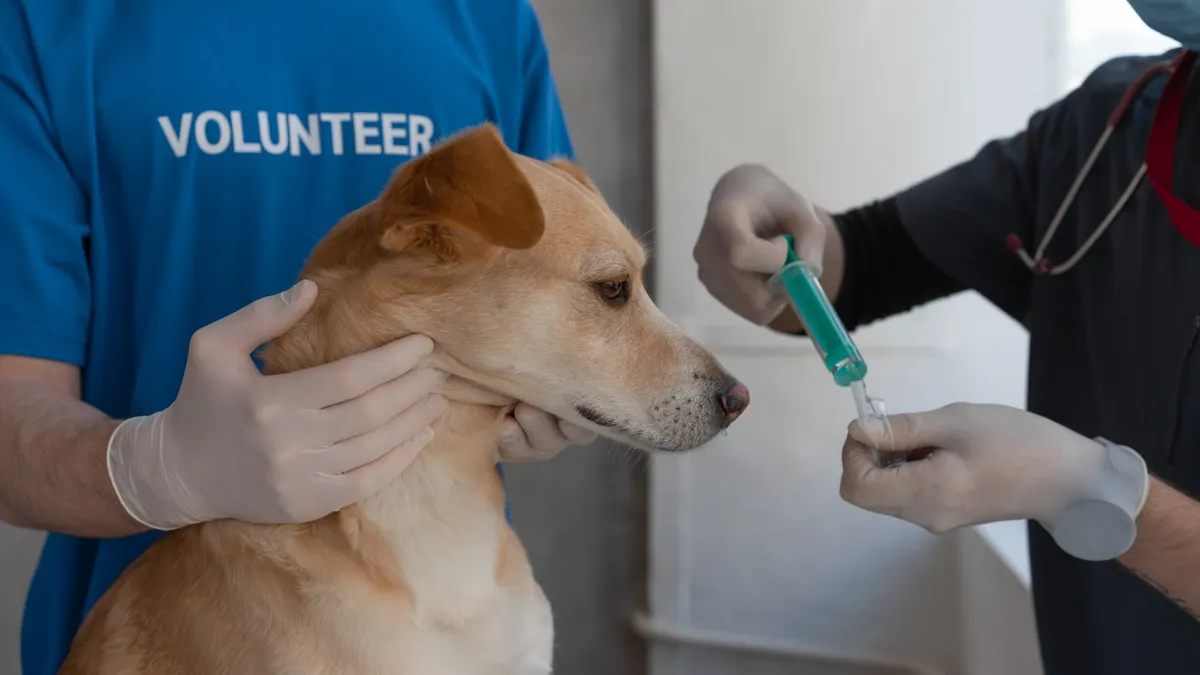
Prescription pain medication is usually reimbursed only after the insurer connects it to a covered diagnosis or procedure. The drug is part of the claim file, but the claim lives or dies on the medical reason behind it. A covered claim needs both pieces.
Picture this: you have a receipt for meloxicam after a vet visit, plus a diagnosis of arthritis in the record. You want the cleanest path from invoice to reimbursement. The steps below show what usually needs to line up.
- Confirm the policy category. Check whether the plan covers accidents, illnesses, chronic disease, or only wellness care. Verify the policy type in writing, and flag any exclusion for pre-existing conditions. If the plan only covers routine care, pain medication for treatment is a problem.
- Get the prescription from a veterinarian. Ask for a written prescription or an itemized clinic invoice that lists the medication name. Verify that the document ties the drug to a diagnosed condition. If the record is vague, the claim may stall.
- Check the diagnosis. Look for a covered issue such as surgery recovery, injury, arthritis, or inflammation. Verify that the diagnosis is not marked as pre-existing or excluded. If the chart shows an excluded condition, reimbursement may fail even when the drug is legitimate.
- Separate the medication from the exam. Many plans treat the office visit differently from the drug itself. Verify which line items are medication, exam, and procedure. If the insurer only reimburses the prescription, the exam charge may still stay unpaid.
- Watch the refill pattern. A one-time post-op fill is easier to justify than a long string of refills. Verify whether the plan limits ongoing pain medicine or needs a fresh exam for each refill. If the refills are open-ended, the insurer may classify them as chronic maintenance.
- Confirm the drug class. NSAIDs, opioid prescriptions, and other analgesics can be handled differently by policy. Verify the exact drug name, because the label matters. If the medication is controlled or requires extra documentation, the claim can take longer or be denied for paperwork gaps.
- Keep the receipt details intact. The invoice should show the date, dosage form, quantity, and prescriber. Verify that the record matches the claim form line by line. If the numbers or names do not match, the insurer may reject the medication even if the condition is covered.
The mechanism is simple, even if the paperwork is not: the insurer looks at the covered event first, then the medicine second. A good claim links the two without gaps. That is the basic rule.
Will arthritis medicine and post-surgery pain control be covered?
They can be, but only when the policy treats the underlying problem as covered and not excluded. Arthritis medicine is often where the hard line appears, because insurers may see it as ongoing management rather than short-term injury care. A short course is easier than a long refill trail.
Picture this: your older dog is on pain medicine for arthritis, and the medication has been refilled several times. You need to know whether that count as treatment or maintenance. The answer depends on the policy language around chronic disease, age limits, and pre-existing conditions.
Two common scenarios:
- Post-surgery recovery: Coverage is more likely when the pain medicine is directly tied to a covered procedure and used for a short recovery period.
- Arthritis: Coverage is less predictable because some insurers cover the diagnosis while others exclude it, and some cover the first treatment but not the long-term refills.
On the flip side, a short course of pain medicine after a covered injury often looks different from a daily medication plan for months. The second case is where insurers ask harder questions.
Why do NSAIDs and opioid prescriptions get treated differently?
NSAIDs and opioid prescriptions can be covered, but insurers often review them more carefully because they serve different medical roles and carry different handling rules. NSAID means nonsteroidal anti-inflammatory drug, a class often used for pain and inflammation. Opioids are controlled drugs used for stronger pain control.
Picture this: a dog goes home after surgery with an NSAID and an opioid prescription, and the invoice shows both. The insurer may treat them as part of the same covered episode, yet still ask for more detail on the controlled medication.
What tends to matter:
- NSAIDs are often easier to connect to routine veterinary treatment, especially for inflammation or post-op pain
- Opioid prescriptions may need clearer documentation because they can be subject to stricter pharmacy and clinic controls
- Some plans limit coverage for certain drug classes or require that they be prescribed only after a covered procedure
That does not mean one class is “good” and the other “bad.” It means the claim file needs to be cleaner when the drug is stronger, more controlled, or used for longer pain control.
What usually gets denied?
Prescription pain medication gets denied most often when the insurer cannot connect it to a covered diagnosis. The medicine can be real and still be outside the policy.
Picture this: your vet prescribes pain relief, but the insurer says the condition is excluded or the refill is not tied to treatment. That is the kind of paperwork fight that catches people off guard.
Common denial triggers:
- Pre-existing condition: the pain problem started before coverage, so the drug falls outside the policy
- Routine or preventive care: the medicine was not for treatment of illness or injury
- Non-covered diagnosis: the underlying issue itself is excluded
- Missing documentation: no prescription, no diagnosis code, or no itemized invoice
- Maintenance use: the insurer treats the refill as long-term management rather than a covered episode
The mistake here is simple: people ask whether the drug is covered, when the real question is whether the episode of care is covered.
How can you reduce the chance of a denial?
Prescription pain medication is easier to reimburse when the paperwork is tight from the start. The best move is to make the prescription and the diagnosis line up before the claim ever leaves the clinic.
Picture this: you are leaving the vet with a 7-day post-op medication and want fewer surprises later. A little structure now can save a lot of back-and-forth.
Use this checklist:
- Ask the vet to note the diagnosis or procedure on the invoice.
- Keep the medicine name exactly as written on the label.
- Save any discharge instructions that connect the drug to surgery, injury, or inflammation.
- Ask whether the plan distinguishes between the office visit and the prescription itself.
- Check whether refills need a new exam or new authorization.
If the policy terms are unclear, call the insurer before the medication is refilled. That is not a cure-all, but it can prevent a wasted refill when the plan has a hard limit.
When the standard answer does not apply
Prescription pain medication coverage is less predictable when the case involves long-term refills, compounded medications, multiple diagnoses, or a condition that flares up and settles down. Those situations can look like one illness to the owner and several claim categories to the insurer.
Picture this: an older pet has arthritis, then a flare after a fall, then another refill a month later. The claim may need to show which part belongs to the acute injury and which part belongs to the chronic condition.
Situations that need extra caution:
- Long-term refills: may shift from acute treatment to maintenance
- Compounded pain medicine: may need stronger documentation than a standard tablet
- Mixed diagnoses: one covered issue and one excluded issue can split the claim
- Multiple prescribers: the insurer may want a single clear treatment record
- Controlled drugs: may face tighter documentation rules than non-controlled pain medicine
If the policy language is fuzzy, the safest assumption is not “yes.” It is “check the diagnosis, the refill rules, and the drug class before the claim is built.”
The verdict for pet owners
Prescription pain medication is often covered only when it is part of a covered veterinary episode, such as surgery recovery, injury care, or a policy-eligible arthritis plan. The medicine itself is not the whole story; the diagnosis, the timing, and the refill pattern decide a lot.
The best fit is a pet owner with a clear covered event, a vet-written prescription, and an itemized invoice. The wrong fit is a policy that excludes the diagnosis, a refill with no fresh documentation, or a wellness-only plan. That is where people get stuck.
A useful rule of thumb: if the insurer can trace the pain medicine to a covered medical problem in the record, the claim has a real chance. If not, the bottle alone usually does not carry the claim.
Are pain medications covered by pet insurance?
Yes, sometimes, if the medication is prescribed for a covered accident or illness and the policy allows prescription drug reimbursement. The drug needs a medical reason, not just a receipt. Coverage is less likely for pre-existing problems, wellness-only plans, or refills that look like maintenance rather than treatment.
Does insurance pay for arthritis medicine?
Sometimes, but arthritis is one of the most policy-sensitive cases. Some plans cover arthritis treatment, while others exclude it or limit long-term medication. The key is whether the diagnosis is covered and whether the medicine is part of an accepted treatment plan rather than an excluded chronic condition.
Is post-surgery pain medication reimbursable?
Often yes, if the surgery itself is covered and the pain medicine is tied to that recovery period. A short post-operative prescription is usually easier to justify than repeated refills. The invoice, diagnosis, and discharge notes should match, or the claim can get delayed or denied.
Drafted with AI; not yet reviewed by a person.